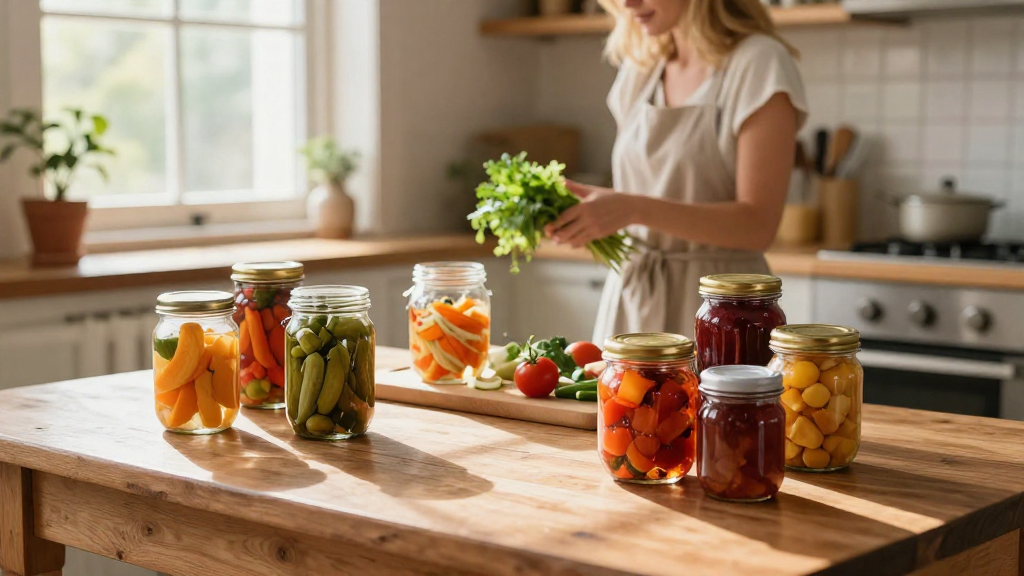
In an era where food waste is a serious concern, learning about effective food preservation at home can help maximize the longevity of our groceries.
Why is Food Preservation at Home Important?
Preserving food at home not only saves money but also reduces waste and enhances the flavors of seasonal ingredients. With the right techniques, you can store fruits, vegetables, herbs, and even proteins for months or even years. Here are some of the easiest methods to preserve food in the comfort of your kitchen.
What are the Basic Methods of Food Preservation at Home?
There are several tried-and-true methods for food preservation at home. Each has its own unique advantages, so choose one or combine a few for optimal results:
1. Canning
Canning involves sealing food in jars at high temperatures to kill bacteria and enzymes that cause spoilage.
- Water Bath Canning: Great for high-acid foods like tomatoes, fruits, and pickles.
- Pressure Canning: Ideal for low-acid foods such as meats, vegetables, and soups.
Key Steps for Canning
- Choose Fresh Ingredients: Start with high-quality, ripe foods for best results.
- Sanitize Your Jars: Boil jars and lids to eliminate any harmful bacteria.
- Follow Reliable Recipes: Ensure safety by using trusted canning recipes.
2. Freezing
Freezing is one of the simplest and most effective methods for food preservation at home.
- Vegetables: Blanch them first to preserve color and nutrients.
- Fruits: Slice and freeze in single layers before storing in bags.
- Meats: Portion and wrap tightly to prevent freezer burn.
Tips for Freezing Food
- Use Airtight Containers: Prevent freezer burn and moisture loss.
- Label Everything: Note the date and contents for easy identification.
- Don’t Overcrowd: Allow proper air circulation in your freezer.
3. Dehydrating
Dehydrating removes moisture from food, which slows down the growth of bacteria and mold.
- Food Dehydrator: An electrical unit designed specifically for drying foods.
- Oven Drying: A more accessible method using your regular oven at low temperatures.
Foods Perfect for Dehydrating
- Fruits: Apples, bananas, and strawberries make excellent snacks.
- Vegetables: Carrots, peppers, and mushrooms are great for soups and stews.
- Herbs: Ideal for seasoning dishes later on.
4. Fermentation
Fermentation utilizes beneficial bacteria to preserve food while enhancing its flavors and health benefits.
- Sauerkraut: Made by fermenting cabbage with salt.
- Kimchi: A spicy, fermented mixture generally made with cabbage and other vegetables.
- Pickles: Cucumbers can be fermented for delicious snacks.
Benefits of Fermentation
- Improves Digestibility: Enzymes released during fermentation help break down food.
- Nutrient Enhancement: Increases vitamin availability and adds probiotics for gut health.
5. Pickling
Pickling is a method where foods are submerged in vinegar or brine, a solution of water, salt, and spices.
- Quick Pickles: Ready in a few hours, great for cucumbers and shallots.
- Fermented Pickles: Requires a longer fermentation process for more complex flavors.
Pickling Ingredients
- Vinegar: The primary liquid for pickling, use white, cider, or wine vinegar.
- Salt: Choose pickling salt for best results; avoid iodized salt.
- Spices and Flavorings: Garlic, dill, mustard seeds, and more can elevate your pickles.
How to Choose the Right Food Preservation Method?
The right method for food preservation at home largely depends on several factors:
- Type of Food: Different foods are best suited to particular methods.
- Available Equipment: Assess what tools you have—canning jars, freezers, or dehydrators.
- Your Time Commitment: Some methods are quick (like freezing) while others (like canning and fermentation) may require more time and patience.
What Foods are Best for Preservation?
Not every food is suitable for preservation. Here are some of the best options:
Best Fruits for Preservation
- Berries: Strawberries, blueberries, and raspberries can be frozen or dehydrated easily.
- Citrus: Lemons, limes, and oranges can be zested and frozen for later use.
Best Vegetables for Preservation
- Green Beans: Blanch and freeze for a fresh vegetable option all year round.
- Tomatoes: Can be preserved through canning, freezing, or making sauces.
Best Proteins for Preservation
- Fish: Can be frozen or canned, ideal for meal-prepped recipes.
- Poultry: Freezing is recommended, but canning is also an option.
Can Food Preservation Save Money?
Yes! Food preservation at home can significantly impact your grocery bill by:
- Reducing Waste: Less food goes to trash if stored properly.
- Buying in Bulk: Purchasing produce in bulk during seasons often means lower prices.
- Enjoying Off-Season Foods: Having preserved foods on hand allows you to savor summer’s bounty all year long.
Final Thoughts on Food Preservation at Home
The art of food preservation at home not only enriches your culinary skills but also supports sustainability.
By choosing the right methods for your ingredients and equipping yourself with the necessary knowledge and tools, you can ensure that your food stays fresh, flavorful, and nutritious for months.
Whether you opt for canning, freezing, dehydrating, fermenting, or pickling, the key is to understand each method’s unique advantages and limitations.
Get started today and turn your fresh produce into delicious, preserved delights that can be enjoyed all year round!