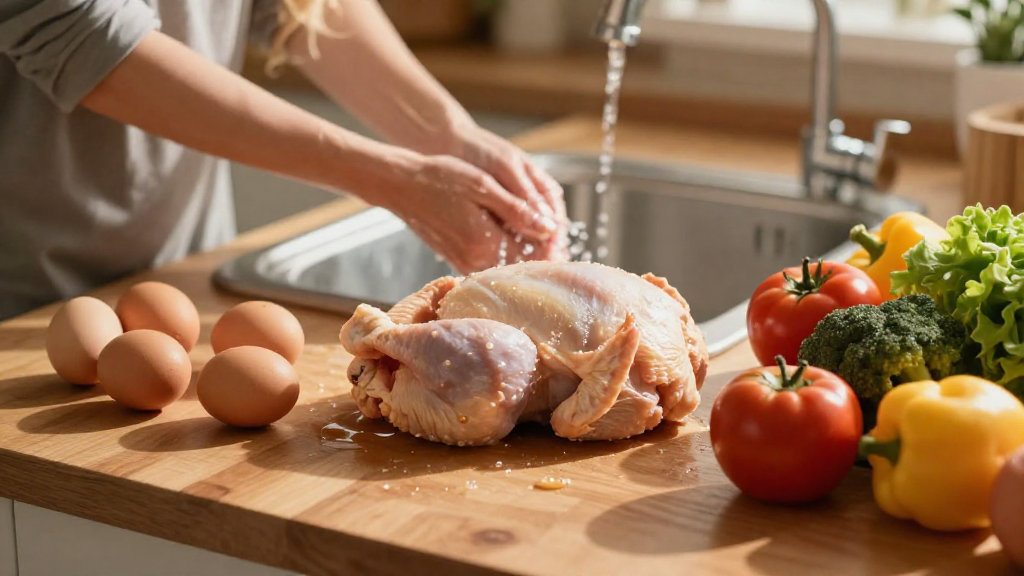
Food poisoning is a serious health issue that can arise from various sources. Understanding these food poisoning sources is essential to prevent illness and ensure safe food consumption. This article will explore the common sources of food poisoning, helping you stay informed and healthy.
What Are the Main Food Poisoning Sources?
Food poisoning arises primarily from consuming contaminated food or beverages. Contamination can occur at any stage of food production—from farm to table. Here are the most common food poisoning sources that you should be aware of:
-
Raw or Undercooked Meat
– Beef, pork, poultry, and seafood can harbor bacteria such as E. coli, Salmonella, and Listeria.
– Always cook meat to the appropriate internal temperatures to kill these harmful pathogens. -
Dairy Products
– Unpasteurized milk and cheeses pose high risks as they can contain dangerous bacteria.
– Ensure dairy products are pasteurized and stored properly to reduce the risk. -
Fruits and Vegetables
– Fresh produce can be contaminated through soil, water, or handling.
– Wash all fruits and vegetables thoroughly before consumption. -
Eggs
– Raw or undercooked eggs can carry Salmonella.
– Cook eggs until both the white and yolk are firm to ensure safety. -
Seafood
– Fish and shellfish can be breeding grounds for bacteria and viruses.
– Purchase seafood from reputable sources and fully cook it before eating.
How Do Contaminated Beverages Contribute to Food Poisoning?
Beverages are also notable food poisoning sources. Here are some common drinks to be cautious of:
- Tap Water: Contamination can occur if the water supply is polluted or not properly treated.
- Unpasteurized Juice: Similar to dairy, unpasteurized juices can harbor harmful bacteria.
- Alcohol: In some cases, improperly distilled spirits may pose a risk.
Always opt for treated or bottled water and ensure that juices are pasteurized.
What Role Do Food Handlers Play in Food Poisoning?
Food handlers can significantly contribute to food poisoning sources. Poor hygiene practices can lead to contamination. Here are some ways it can happen:
- Improper Handwashing: Failing to wash hands properly after going to the bathroom can transfer bacteria to food.
- Cross-Contamination: Using the same cutting board for raw meat and vegetables without proper cleaning can lead to foodborne illnesses.
- Illness: Sick food handlers may unknowingly spread pathogens if they handle food without sufficient precautions.
To ensure food safety, always employ good hygiene practices in food preparation environments.
How Can Contamination Occur at Home?
Food can be contaminated at home, making it another significant source of food poisoning. Here are some tips to mitigate risks:
1. Improper Food Storage
- Check Temperatures: Ensure your refrigerator is set below 40°F (4°C) to keep perishable items safe.
- Store Cooked Food Safely: Keep leftovers in airtight containers and consume them within a few days.
2. Inadequate Cooking Practices
- Use a Meat Thermometer: Checking internal temperatures is crucial for ensuring meat is cooked through.
- Avoid Thawing at Room Temperature: Always thaw food in the fridge, cold water, or the microwave to minimize bacteria growth.
3. Poor Kitchen Hygiene
- Regular Cleaning: Frequently clean countertops, utensils, and kitchen gadgets to eliminate bacterial growth.
- Separate Raw and Cooked Foods: Use separate utensils and cutting boards to prevent contamination.
What Are Common Bacteria Associated with Food Poisoning?
Bacteria are amongst the most frequent food poisoning sources. Here are some harmful bacteria to be aware of:
- Salmonella: Often found in poultry, eggs, and certain meats. Symptoms can include fever and abdominal cramps.
- E. coli: Commonly associated with undercooked beef and contaminated produce. Look out for severe stomach cramps and diarrhea.
- Listeria: Can be present in unpasteurized dairy and deli meats. It poses severe risks, especially to pregnant women.
- Campylobacter: Frequently found in raw or undercooked poultry. Symptoms may include diarrhea, fever, and vomiting.
Tips for Prevention
To reduce your chance of exposure to these bacteria:
- Cook Thoroughly: Always cook food to the recommended temperatures.
- Avoid Raw Products: Limit consumption of raw or undercooked animal products.
- Stay Informed: Be aware of recalls and safety alerts related to food products.
Why Are “Outbreaks” Important to Know About?
Food poisoning outbreaks happen when multiple people become ill from the same contaminated source. These outbreaks highlight potential food poisoning sources and can lead to widespread changes in food safety regulations.
Key Reasons to Monitor Outbreaks
- Public Health Alerts: Stay informed to protect yourself and your family.
- Understanding Trends: Knowing which foods are commonly associated with outbreaks can guide safer food choices.
- Regulatory Changes: Outbreaks often lead to improvements in food safety practices across the industry.
Conclusion: Empower Yourself Against Food Poisoning
Awareness of food poisoning sources is crucial in today’s food landscape. From raw meats and contaminated beverages to improper kitchen practices, understanding these risks will empower you to make safer food choices.
Take the necessary precautions, such as cooking foods thoroughly, practicing good hygiene, and keeping informed about food safety alerts.
By remaining vigilant, you can significantly reduce the risk of foodborne illnesses and enjoy your meals with peace of mind. Stay safe, stay informed, and be proactive about your food safety practices!