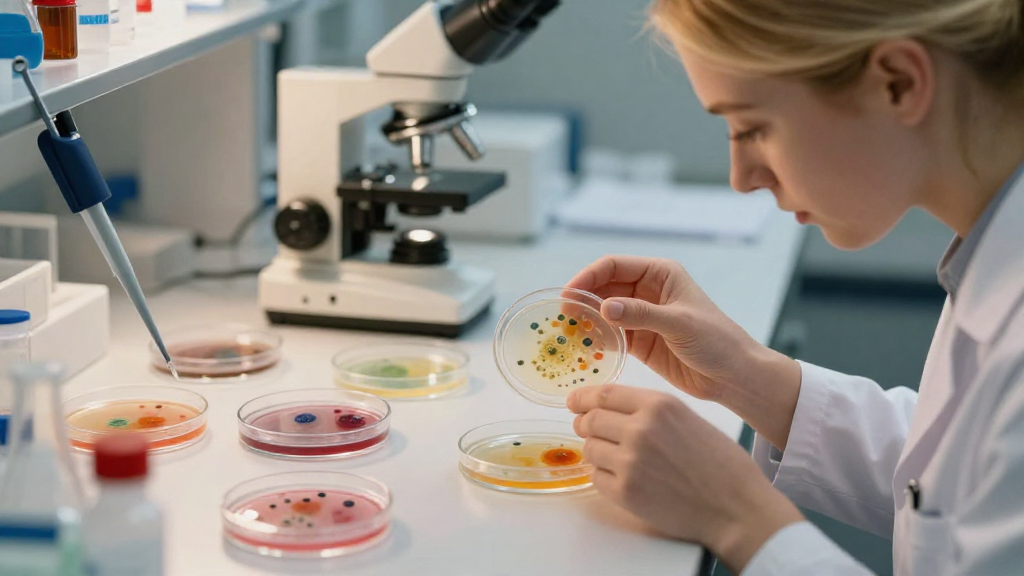
Understanding the food microbiology basics is essential for anyone involved in food production, safety, and quality.
In this article, we will explore the fundamental concepts of food microbiology, its importance in the food industry, and some key organisms involved.
What Is Food Microbiology?
Food microbiology is the study of microorganisms that inhabit, create, or contaminate food.
These microorganisms can be:
- Bacteria
- Yeasts
- Molds
- Viruses
The primary focus of food microbiology is to understand how these microorganisms affect food safety, spoilage, fermentation, and preservation.
Why Is Understanding Food Microbiology Basics Important?
A solid grasp of food microbiology basics helps to ensure food safety and prevent foodborne illnesses.
In 2020, the CDC reported over 48 million cases of foodborne illnesses in the United States alone. Understanding food microbiology can help mitigate these incidents by improving hygiene, food handling practices, and storage conditions.
Benefits of Learning Food Microbiology Basics
-
Prevent Foodborne Illness
Understanding harmful microorganisms helps reduce risks associated with pathogens such as Salmonella, E. coli, and Listeria. -
Enhance Food Quality
Knowledge of spoilage organisms ensures that food maintains its quality during storage and distribution. -
Enable Fermentation Processes
By understanding beneficial organisms, producers can implement proper fermentation techniques to create products like yogurt, cheese, and beer. -
Improve Preservation Techniques
Microbiology plays a crucial role in methods such as canning, freezing, and drying, thus extending the shelf life of food.
What Are the Key Microorganisms in Food Microbiology?
In exploring the food microbiology basics, it is crucial to recognize the different microorganisms involved in food production and safety. Here’s a rundown of the key players:
What Are Foodborne Pathogens?
Foodborne pathogens are harmful microorganisms that can cause illness when ingested. Some common pathogens include:
- Salmonella: Found in poultry and eggs, responsible for severe gastrointestinal distress.
- E. coli: Often found in undercooked ground beef and contaminated water, can lead to kidney failure in severe cases.
- Listeria monocytogenes: Found in deli meats and soft cheeses, this bacterium can be particularly dangerous for pregnant women.
What Are Spoilage Organisms?
Spoilage organisms are non-pathogenic microorganisms that lead to food spoilage. Common spoilage organisms include:
- Molds: Many species can cause food to appear fuzzy and can produce toxins.
- Yeasts: Common in fermented products but can spoil sugary substances and fruits.
- Bacteria: Certain types can cause food to smell bad or change texture.
What About Beneficial Microorganisms?
Not all microorganisms are harmful. Some are essential for food production, including:
- Lactobacillus: This beneficial bacteria is essential in fermentation processes, being key to yogurt and pickles.
- Saccharomyces cerevisiae: This yeast is critical for baking and brewing.
The role of these microorganisms in food preservation and culinary arts is invaluable.
How Do Microorganisms Survive and Thrive in Food?
To understand food microbiology basics, it’s essential to recognize the conditions that support microbial growth. Microorganisms thrive under specific conditions:
What Factors Influence Microbial Growth?
-
Temperature
– Danger Zone: The USDA defines the danger zone as 40°F to 140°F (4°C to 60°C), where bacteria can rapidly multiply.
– Cooling and Heating: Proper cooling and heating techniques can effectively eliminate pathogens. -
Moisture
– Water Activity (aw): Microorganisms require moisture to grow. Foods with lower water activity are less likely to spoil. -
pH Levels
– Most pathogens prefer a neutral pH (around 7). Acidic foods, with a pH lower than 4.6, inhibit the growth of harmful bacteria. -
Oxygen Availability
– Many bacteria require oxygen (aerobic) to thrive, whereas others flourish in low-oxygen environments (anaerobic).
How Is Microbiology Applied in Food Safety?
The application of food microbiology basics in food safety involves several critical practices and techniques.
What Are Good Manufacturing Practices (GMP)?
Good Manufacturing Practices (GMP) help minimize contamination risks:
- Hygiene: Ensures all foodhandlers wash hands and maintain cleanliness.
- Sanitation: Regular cleaning of equipment and facilities.
- Training: Ensures workers understand microbiological hazards.
What are Hazard Analysis and Critical Control Points (HACCP)?
HACCP is a systematic approach to food safety that involves:
- Identifying Hazards: Recognizing potential biological, chemical, or physical hazards.
- Monitoring Critical Control Points: Setting limits for identified hazards.
- Corrective Actions: Implementing steps when critical limits are exceeded.
How Are Microbial Tests Conducted?
Regular microbial testing helps ensure food safety compliance:
- Sampling: Collect samples from various stages of production.
- Culture Tests: Grow microorganisms in a lab to identify strains present.
- Molecular Techniques: Methods like PCR can identify pathogens rapidly.
What Are the New Trends in Food Microbiology?
As food safety continues to evolve, so do the food microbiology basics.
What Is the Role of Biotechnology?
Biotech applications include:
- Genetic Modification: Enhancing the nutritional quality of food or increasing resistance to spoilage.
- Fermentation Technology: Innovative methods for fermentation improve flavor and prolong shelf life.
How is Big Data Changing Food Microbiology?
The use of big data and AI enables:
- Predictive Analytics: Assessing and predicting disturbances in food safety through data collection.
- Traceability: Ensuring that each product’s history is logged, improving recalls and consumer safety.
Conclusion
Understanding the food microbiology basics lays the foundation for ensuring food safety and quality.
From differentiating between pathogens and spoilage organisms to implementing best practices through GMP and HACCP, each aspect plays a pivotal role in the food industry.
The ongoing advancements in biotechnology and data analysis promise to enhance our understanding of food microbiology even further, ensuring that we can produce safe, high-quality food products for everyone.
In the evolving world of food science, the fundamentals of food microbiology will remain crucial for food safety professionals, producers, and consumers alike.