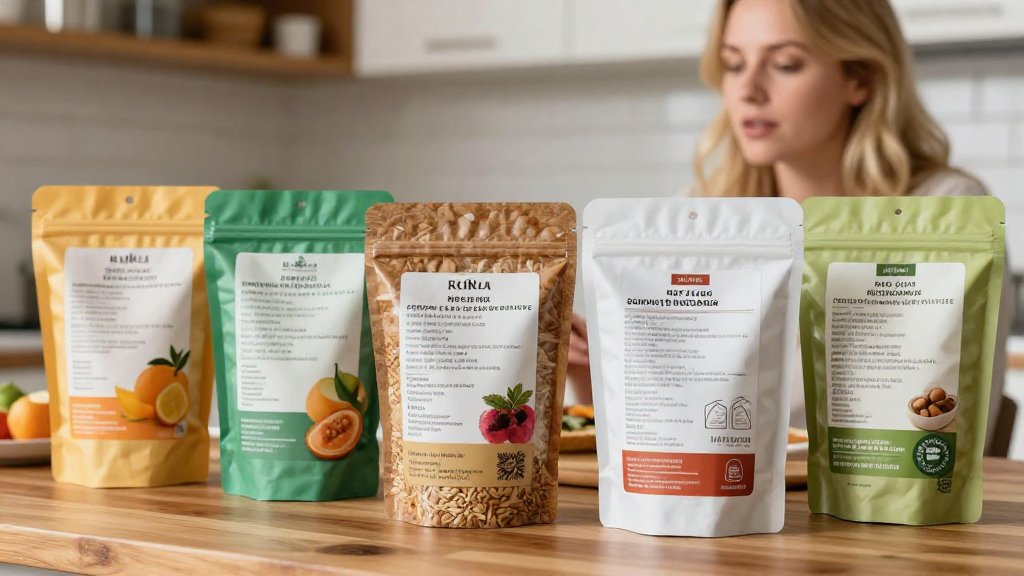
In today’s health-conscious world, understanding food labels and ingredients is essential for making informed dietary choices.
Why Are Food Labels Important?
Food labels are not just a formality; they serve several crucial purposes:
- Nutritional Information: They provide insight into the caloric content and nutritional value of a product.
- Ingredient Transparency: Labels reveal what goes into a product, allowing consumers to avoid allergens or unwanted additives.
- Regulatory Compliance: Food labels must adhere to governmental regulations, ensuring a baseline of consumer safety.
By carefully reading food labels and ingredients, you empower yourself to choose healthier options.
How Do You Decode Food Labels?
Decoding food labels might seem daunting, but breaking it down into smaller sections can simplify the process. Here’s how to approach it:
What Does the Serving Size Mean?
Serving size is the first thing you’ll see on a food label.
- This indicates how much of the product is considered a single serving, and all nutritional information is based on this amount.
- Be cautious! Often, packaged foods contain multiple servings, which can lead to underestimating calorie intake.
How to Interpret the Nutritional Information?
Following the serving size, the Nutritional Facts section provides essential details:
- Calories: The total calories per serving.
- Fats: Look for both total fat and types of fat, such as saturated and trans fats.
- Cholesterol and Sodium: High levels can impact heart health.
- Carbohydrates: Includes total carbohydrates, sugars, and fiber.
- Proteins: Indispensable for muscle repair and growth.
When considering food labels and ingredients, focus on not just calories but the overall nutritional value.
What Ingredients Should You Look For?
The ingredient list is the most critical part of a food label.
- Ingredients are listed in descending order by weight. This means that the first few items are the most significant components.
- Whole foods like fruits, vegetables, and grains should be near the top.
- Be cautious of:
- Artificial Ingredients: Colors, flavors, and preservatives.
- Sugar Variants: Look for multiple sugar sources listed under different names (e.g., high fructose corn syrup).
Prefer products with recognizable ingredients, as these are often healthier and more sustainable.
What About Allergens and Certifications?
Allergens and certifications are often highlighted on food labels:
- Common Allergens: Labels usually state common allergens like peanuts, soy, dairy, wheat, etc.
- Certifications: Look for labels like “USDA Organic,” “Non-GMO Project Verified,” or “Gluten-Free” to understand whether a product meets specific standards.
Incorporating this knowledge helps you navigate food labels and ingredients safely.
How Do You Evaluate Claims on Food Labels?
Marketing language can sometimes be misleading. Here’s how to decipher it:
- “Natural”: This term can vary widely and is not regulated.
- “Whole Grain”: Make sure the first ingredient is whole grain.
- “Low-Fat”: Check if the product compensates with added sugars or sodium.
Being skeptical about claims can protect you from making misleading choices based on food labels and ingredients.
How to Utilize Food Labels for Healthier Eating?
Here are some actionable tips to use when you’re reviewing food labels:
- Prioritize Wholesome Foods: Select products with fewer and recognizable ingredients.
- Track Nutrient Intake: Use food labels to monitor your intake of calories, fats, sugars, and proteins.
- Stay Mindful of Portions: Understanding serving sizes can help manage your overall caloric intake.
These habits make it easier to maintain a healthier lifestyle by understanding food labels and ingredients thoroughly.
When Should You Read Food Labels?
Reading food labels should become a part of your shopping routine. Here’s when to pay extra attention:
- Shopping for Packaged Foods: Always read food labels for snacks, cereals, and frozen meals.
- When Trying New Products: If you’re venturing into unfamiliar brands or food types, read their labels critically.
- Managing Health Conditions: If you have allergies or dietary restrictions (like diabetes), scrutinizing food labels becomes even more crucial.
Developing the habit of reading food labels and ingredients will lead you to healthier choices over time.
Conclusion
Understanding food labels and ingredients is an essential skill in today’s food landscape.
With this knowledge, you can make healthier eating choices that align with your dietary needs and preferences.
Always remember to scrutinize serving sizes, nutritional facts, ingredient lists, allergens, and marketing claims.
Embrace this vital practice to safeguard your health and well-being, empowering you to make informed decisions at every meal.
Take charge of your nutrition today by applying these tips to your next grocery shopping trip!