Understanding food label meanings can be overwhelming due to the sheer volume of information presented.
However, being able to interpret these labels correctly is crucial for making informed dietary choices.
This article aims to simplify food labels by providing clear explanations of their various components, helping you navigate your grocery shopping with confidence.
What Do Food Labels Tell Us?
Food labels provide essential information about the contents of the product.
From nutritional information to ingredient lists, every element serves a purpose.
Here are some key components typically found on food labels:
- Serving Size: Indicates the recommended portion of the food.
- Calories: Shows the amount of energy the food provides.
- Nutrients: Lists vitamins and minerals, as well as fats, carbohydrates, and proteins.
- Ingredients List: Details all components used in the product.
- Allergen Information: Highlights any potential allergens present in the product.
These elements come together to clarify the food label meanings that guide your eating habits.
How Are Ingredients Listed on Food Labels?
The order of ingredients on a food label is essential for understanding the product.
Ingredients are usually listed in descending order by weight, meaning the first ingredient is the most prominent.
This arrangement helps consumers identify the main components of the food they are purchasing.
For example, if whole grain is the first ingredient, it indicates a healthier choice compared to a cereal where sugar is the first ingredient.
Also, keep an eye out for terms that indicate the level of processing, such as “natural,” “organic,” or “artificial.”
These descriptors can also assist you in deciphering the food label meanings and making healthier decisions.
What Does the Nutrition Facts Panel Reveal?
The Nutrition Facts panel is a fundamental part of understanding food label meanings.
Here are the primary sections you will encounter:
- Total Fat: This includes saturated and trans fats, which should be consumed in moderation.
- Cholesterol: Elevated levels can affect heart health, making this an important figure.
- Sodium: High sodium intake can lead to health problems, so it’s beneficial to know this number.
- Total Carbohydrates: This includes dietary fiber and sugars.
- Protein: Essential for muscle repair and growth, you should stay aware of your protein intake.
Each section contains valuable information that can help you align your food choices with your dietary goals.
What Are Daily Values and Why Are They Important?
Daily values (%DV) express how much a nutrient in a serving of food contributes to a daily diet.
They are based on a 2,000-calorie diet, which is a standard measure for nutritional information.
Understanding daily values is vital for managing your dietary intake.
Here’s a quick guide to interpreting these figures:
- 5% DV or less: Low in the nutrient; may be a good choice if you’re trying to limit it.
- 20% DV or more: High in the nutrient; a good source of that nutrient.
By checking the %DV, you can make better decisions that align with your health objectives.
How Do Health Claims Affect Food Label Meanings?
Health claims on labels can be confusing but are designed to indicate the benefits of the product.
These claims often fall into three categories:
- Nutrient Content Claims: Indicate the level of a nutrient, such as “low fat” or “sugar-free.”
- Health Claims: Assert a relationship between a food and health, like “calcium may reduce the risk of osteoporosis.”
- Structure/Function Claims: Describe the role of a nutrient, such as “fiber promotes digestive health.”
While health claims can guide you toward healthier choices, it’s critical to read the entire label to ensure the product meets your specific needs.
What About Organic and Other Labels?
Many products carry additional labels that can alter their perceived health benefits.
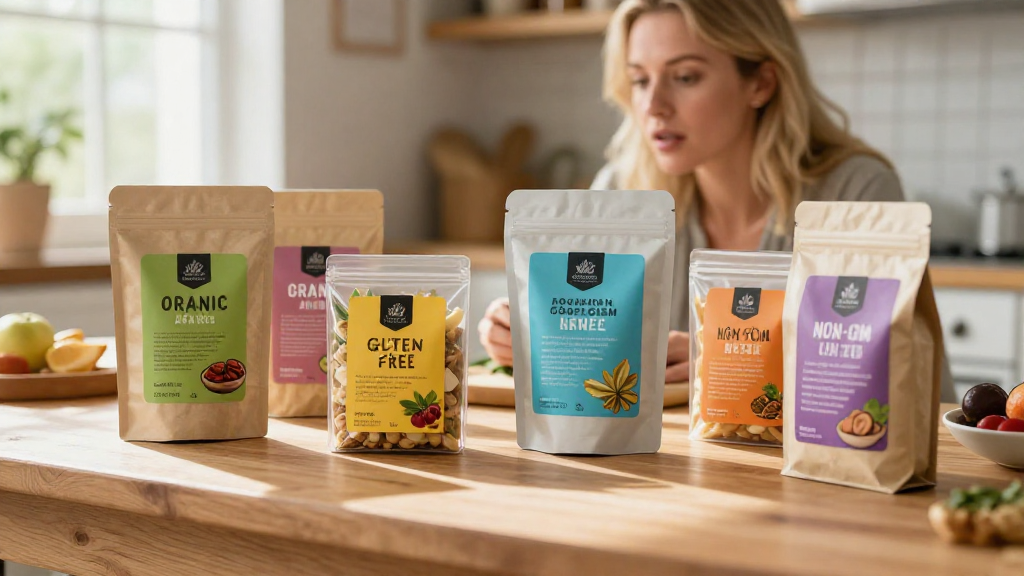
Organic, gluten-free, and non-GMO are just a few examples that consumers often look for.
Understanding what these terms mean can help clarify food label meanings:
- Organic: Foods produced without synthetic fertilizers or pesticides.
- Gluten-Free: Products that contain less than 20 parts per million of gluten, suitable for those with gluten intolerance.
- Non-GMO: Indicates that the food is free from genetically modified organisms.
While these labels often suggest a healthier product, always investigate further to see if the food meets your overall dietary goals.
How Can Serving Sizes Mislead You?
Serving sizes can often be misleading depending on the context.
A small serving size may make the nutritional content appear more favorable than it would be in a larger quantity.
Here are a few ways to navigate this issue:
- Read the Entire Label: Ensure you’re considering the nutritional information in relation to the serving size.
- Footnotes and Context: Some labels include a footnote, giving you insight into recommendations based on broader dietary guidelines.
- Compare Similar Products: When shopping, selecting items by comparing their serving sizes and nutritional facts can help you pick healthier options.
By being vigilant about serving sizes, you can better comprehend food label meanings and their impact on your health.
Conclusion
In conclusion, food label meanings can seem complex but understanding them can empower you to make healthier choices.
By carefully reviewing the ingredient list, nutrition facts, daily values, health claims, and additional labels, you can be more adept at selecting food products that align with your dietary needs.
The next time you’re at the grocery store, make it a habit to thoroughly read and interpret food labels.
With a little practice, you’ll master the art of understanding food label meanings and enhance your eating habits for better health.
Armed with this knowledge, you’re now ready to tackle any food label with confidence!