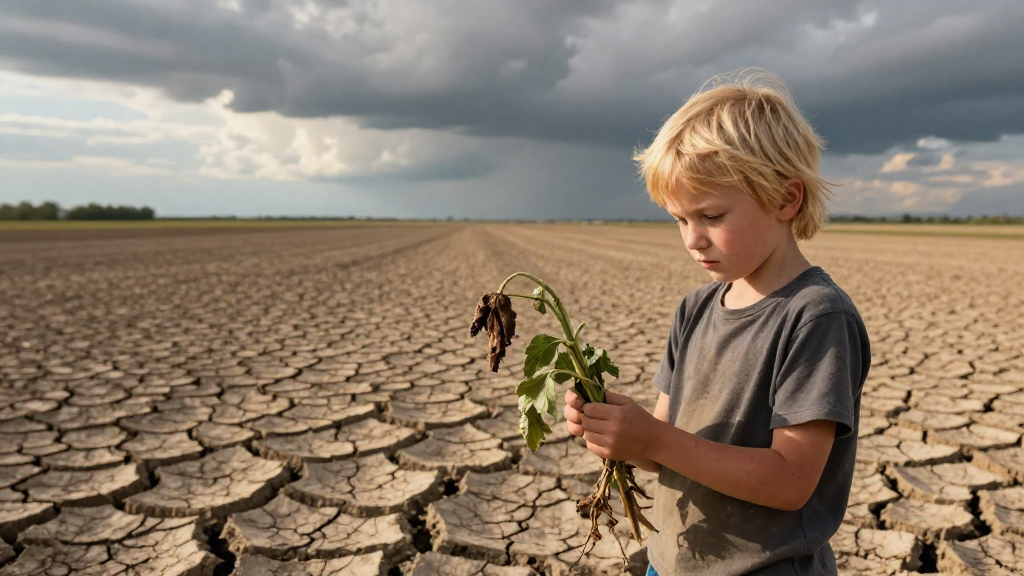
Food insecurity is a pressing issue that affects millions of individuals and families around the world. Understanding the various food insecurity causes is crucial in addressing this global challenge.
What Are the Primary Food Insecurity Causes?
Food insecurity arises from a mixture of economic, social, and environmental factors. Here are some key food insecurity causes:
-
Poverty:
– One of the most significant factors contributing to food insecurity is poverty.
– Many individuals lack the financial resources to purchase adequate and nutritious food.
– According to reports, families living below the poverty line often experience higher rates of food insecurity. -
Unemployment:
– Job loss or underemployment can severely impact a household’s ability to secure food.
– Many people rely on their wages to meet basic needs, including groceries.
– A sudden job loss can push families into food insecurity, especially if they don’t have savings to rely on. -
High Food Prices:
– Fluctuations in food prices can contribute significantly to food insecurity.
– When the cost of essential goods rises, families may find it increasingly hard to afford sufficient food.
– Global economic conditions, climate change, and supply chain issues can all lead to increased food prices. -
Lack of Access to Resources:
– Many communities suffer from limited access to grocery stores and fresh produce.
– This phenomenon is often termed “food deserts,” where residents have to travel long distances to purchase food.
– In urban areas, convenience stores may be more prevalent than grocery stores, offering fewer healthy options. -
Educational Barriers:
– Lack of education often correlates with food insecurity.
– Individuals with limited knowledge about nutrition may make poor food choices, leading to inadequate diets.
– Programs that educate families about budgeting and healthy eating can mitigate this barrier.
How Do Social Factors Contribute to Food Insecurity?
Social factors also play a significant role in the causes of food insecurity. Here are some critical social components:
-
Income Inequality:
– The gap between rich and poor can create disparities in food access.
– Communities with high levels of income inequality often experience higher rates of food insecurity. -
Discrimination:
– Racial and ethnic discrimination can also contribute to food insecurity.
– Minority communities may face systemic barriers that limit their access to employment and resources, increasing their vulnerability. -
Family Structure:
– Families headed by single parents are statistically more likely to experience food insecurity.
– The lack of a co-provider stretches financial resources thin, making it harder to secure sufficient food. -
Disability:
– Individuals with disabilities may face challenges in securing stable employment.
– This precarious employment situation can contribute significantly to food insecurity.
What Environmental Factors Affect Food Insecurity?
Environmental factors can exacerbate the food insecurity causes faced by many populations. Some of these factors include:
-
Climate Change:
– Extreme weather events can disrupt agricultural production.
– Droughts, floods, and pests can lead to crop failures, contributing to food shortages and increased prices. -
Natural Disasters:
– Floods, hurricanes, and earthquakes can devastate food supplies and agricultural infrastructure.
– Recovery from such disasters can take a long time, leaving communities in a prolonged state of food insecurity. -
Pollution:
– Poor environmental conditions can affect the safety and availability of food.
– Contaminated water and soil can reduce crop yields and limit food options for communities.
What Policies Could Address Food Insecurity?
Understanding the food insecurity causes is vital for developing effective policies. Here are some potential solutions:
-
Increased Minimum Wage:
– Raising the minimum wage can help lift families above the poverty line.
– This change can enhance their purchasing power, allowing them to afford better food options. -
Subsidies for Healthy Foods:
– Government subsidies can make fruits and vegetables more affordable.
– Programs like SNAP (Supplemental Nutrition Assistance Program) can be enhanced to provide better access to nutritious foods. -
Support for Local Agriculture:
– Empowering local farmers can create a more resilient food system.
– Encouraging community-supported agriculture (CSA) can improve access to local foods. -
Food Education Programs:
– Implementing community classes and workshops focused on nutrition and budgeting can empower families to make healthier choices.
– Education can help people understand how to maximize limited resources for better nutrition. -
Infrastructure Development:
– Investing in transportation and infrastructure can improve food access in vulnerable communities.
– Better roads and public transportation can enable residents to reach grocery stores more easily.
How Do Global Events Influence Food Insecurity?
Global events often have a far-reaching impact on food security across nations. Consider these influences:
-
Economic Crises:
– Global economic downturns can exacerbate poverty and unemployment.
– Countries may experience increased food prices, leading to greater food insecurity. -
Pandemic Effects:
– Events like the COVID-19 pandemic disrupted supply chains and job markets globally.
– Many families faced unexpected hardships, pushing them into food insecurity. -
Conflict and War:
– Areas affected by armed conflict often experience food shortages and disrupted agriculture.
– Displacement due to conflict leads to lost livelihoods and increased reliance on food aid.
What Role Does Nonprofit Assistance Play in Addressing Food Insecurity?
Nonprofit organizations play a crucial role in combating food insecurity by providing food assistance and raising awareness. Their efforts include:
-
Food Banks and Pantries:
– These organizations distribute food to those in need, alleviating immediate hunger.
– They help bridge the gap for families facing economic hardship. -
Community Gardens:
– Nonprofits promote community efforts to create gardens, providing fresh produce and teaching sustainable agriculture practices.
– These gardens can empower individuals and build stronger community ties. -
Advocacy:
– Nonprofits often advocate for policies that support food security at local, national, and global levels.
– They work to raise awareness about the issues surrounding food insecurity and lobby for change.
Conclusion
In conclusion, the causes of food insecurity are multi-faceted, involving a complex interplay of economic, social, and environmental factors.
Addressing this critical issue requires a collaborative approach involving individuals, communities, and governments.
By understanding the food insecurity causes and implementing effective solutions, we can work towards a future where everyone has access to safe and nutritious food.
Every effort matters in the fight against food insecurity, and it begins with understanding the root causes and the societal impacts we can change for a healthier world.