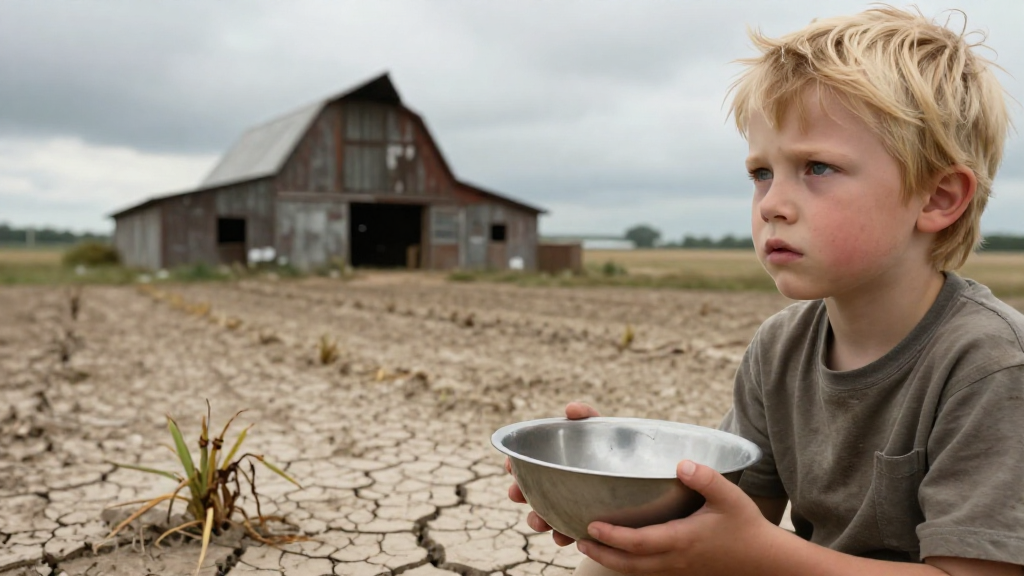
Food insecurity and poverty are intertwined challenges faced by millions globally.
Understanding their connection is essential for addressing these social issues effectively.
What is Food Insecurity?
Food insecurity refers to the lack of access to sufficient, safe, and nutritious food to maintain a healthy and active life.
It can vary from mild uncertainty about food supply to severe hunger and malnutrition.
Some key indicators of food insecurity include:
- Limited availability of nutritionally adequate foods
- Inability to afford food
- Frequent changes in food consumption (e.g., skipping meals)
Ultimately, food insecurity is not just about hunger; it’s about having reliable access to food, which is drastically affected by economic factors like income and employment.
How Does Poverty Contribute to Food Insecurity?
Poverty is fundamentally connected to food insecurity and poverty because low income limits access to various necessities, including food.
Individuals and families living in poverty often struggle to make ends meet, impacting their ability to purchase enough food.
This connection manifests in several ways:
-
Limited Financial Resources:
– Low income restricts spending options, making it difficult to afford nutritious foods and leading to a reliance on cheaper, unhealthy options. -
High Food Prices:
– Low-income neighborhoods tend to have fewer grocery stores with fresh produce and more fast-food outlets, often leading to higher food prices and limited nutrition. -
Lack of Education:
– Many people in poverty lack the education or resources to understand nutrition, which can lead to poor dietary choices and consequently worsen food insecurity. -
Rising Costs of Living:
– As housing, healthcare, and transportation costs rise, there is often less financial flexibility to allocate towards food, increasing food insecurity among low-income households.
Can Food Insecurity Lead to More Poverty?
Yes, food insecurity can indeed perpetuate and exacerbate poverty.
When individuals experience food insecurity, they often face long-term consequences that can trap them in a cycle of poverty. Here’s how:
- Health Implications:
- Chronic food insecurity can lead to health issues such as obesity, diabetes, and other diet-related diseases.
-
Poor health can limit job opportunities or lead to increased medical expenses, further reducing financial stability.
-
Educational Impact:
- Children from food-insecure households may struggle academically due to hunger and malnutrition.
-
At risk of falling behind in school or dropping out, these educational barriers can lead to lower earning potential and continued cycles of poverty.
-
Mental Health Struggles:
- The stress of worrying about food can lead to mental health issues such as anxiety and depression, which can further hinder employment opportunities and overall well-being.
What Are the Broader Societal Impacts of Food Insecurity and Poverty?
The ramifications of food insecurity and poverty extend beyond individuals and families; they affect entire communities and society as a whole:
- Increased Healthcare Costs:
-
The strain of diet-related illnesses on healthcare systems due to widespread food insecurity can lead to costly medical interventions.
-
Economic Loss:
-
Reduced productivity from food-insecure individuals can result in decreased economic output, affecting local businesses and economies.
-
Social Stability:
- Communities facing high levels of food insecurity are often more susceptible to social unrest, crime, and instability.
In short, the relationship between food insecurity and poverty creates a cascade of negative effects that permeate many facets of society.
What Solutions Can Address Food Insecurity and Poverty?
Addressing the relationship between food insecurity and poverty calls for a multifaceted approach.
Several strategies can help alleviate both issues:
-
Food Assistance Programs:
– Expanding programs like the Supplemental Nutrition Assistance Program (SNAP) provides better access to food for low-income families. -
Community Gardens and Local Farming Initiatives:
– Encouraging local food production can improve food access, particularly in areas with limited grocery stores. -
Education and Outreach:
– Programs that educate families about nutrition, budgeting, and food preparation can empower them to make healthier choices. -
Strengthening Wages:
– Increasing minimum wage and ensuring job training programs can help lift families out of poverty, subsequently reducing food insecurity. -
Policy Reforms:
– Advocating for comprehensive policy changes that address social determinants of health can create systemic solutions to food insecurity and poverty.
How Can Individuals Make a Difference?
While large-scale solutions are critical, individual actions also play a pivotal role in addressing food insecurity and poverty:
- Support Local Food Banks:
-
Donating money, food, or volunteering time can help food banks meet the needs of local communities.
-
Advocate for Change:
-
Raising awareness about food insecurity and poverty issues can pressure policymakers to take action.
-
Educate Themselves and Others:
-
Understanding the complex relationship between food insecurity and poverty equips individuals to support those in need effectively.
-
Make Conscious Shopping Choices:
- Supporting local farmers and purchasing nutritious foods from ethical sources can contribute to community resilience.
In Conclusion: What’s Next?
The connection between food insecurity and poverty is undeniable.
It’s a cycle that feeds off itself, making it imperative to tackle both issues comprehensively.
By addressing the root causes of both food insecurity and poverty and implementing targeted solutions, society can work towards a future where everyone has access to sufficient, nutritious food.
Together, we can advocate for systemic change that breaks the cycle of food insecurity and poverty, fostering healthier and thriving communities.
Ultimately, increased awareness, education, and action from both individuals and organizations can lead to profound changes, benefitting society at large.