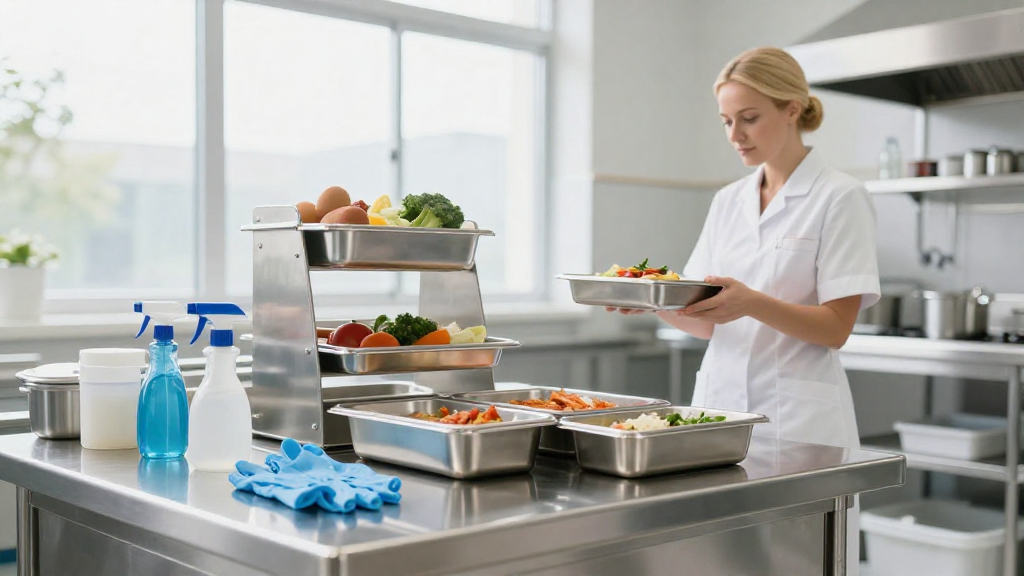
Food hygiene in hospitals is a critical aspect of patient care that ensures the safety, quality, and nutritional value of food served.
Maintaining high standards of food hygiene is essential for preventing foodborne illnesses and ensuring that patients receive the necessary nourishment during their recovery.
What Are the Key Principles of Food Hygiene in Hospitals?
Food hygiene in hospitals follows specific principles to ensure that all food served is safe and healthy. These principles include:
-
Cleanliness:
– All food preparation areas must be kept clean and sanitary.
– Staff must wash hands regularly and wear appropriate protective clothing. -
Separation:
– Raw and cooked foods should be stored and prepared separately to avoid cross-contamination.
– Different areas for meat, vegetables, and dairy should be designated. -
Cooking:
– Foods must be cooked thoroughly to kill harmful bacteria.
– Proper temperature guidelines must be followed to ensure food safety. -
Cooling and Storage:
– Food must be promptly cooled and stored at safe temperatures.
– Refrigeration should be set at 4°C (39°F) or lower to prevent bacterial growth. -
Serving:
– Food should be served promptly and at the right temperature.
– Utensils and serving dishes must be sanitized.
How Is Food Prepared Safely in Hospitals?
The process of preparing food in hospitals is closely monitored to guarantee food hygiene. The following protocols are commonly practiced:
-
Standard Operating Procedures (SOPs): Hospitals establish SOPs that outline the proper procedures for food handling, preparation, and service. These procedures are crucial for training staff and ensuring consistent practices.
-
Staff Training: Kitchen staff undergo regular training on food hygiene practices. This training helps them understand the importance of hygiene and cleanliness, ensuring they apply proper methods in their daily tasks.
-
Regular Inspections: Hospitals often conduct internal and external inspections to assess compliance with food hygiene regulations. These inspections help identify areas for improvement and ensure that food safety standards are being met.
-
Use of Technology: Modern hospitals utilize technology like temperature monitoring systems. These systems help ensure that food is stored and served at the appropriate temperatures.
Why Is Hand Hygiene Important in Hospital Food Preparation?
Hand hygiene is one of the simplest yet most effective methods to maintain food hygiene in hospitals.
-
Regular Hand Washing: Staff must wash their hands:
-
Before handling food
- After using the restroom
-
After touching any potentially contaminated surfaces
-
Use of Hand Sanitizers: In addition to washing hands, staff members are encouraged to use hand sanitizers, particularly when preparing food quickly or in a high-traffic environment.
-
Nail Care: Long nails and nail polish can harbor bacteria. Hospital staff should keep their nails short and clean to further promote food hygiene.
What Role Does Food Storage Play in Hygiene?
Proper food storage is essential for maintaining food hygiene in hospitals.
Storing food safely helps prevent spoilage and contamination. Key considerations include:
-
Temperature Control: Foods must be stored at safe temperatures.
-
Refrigerated items should be at 4°C (39°F) or less.
-
Frozen items should be stored at -18°C (0°F) or lower.
-
Date Labeling: Food items should be labeled with the date of preparation or opening. This practice helps staff manage inventory and use older items first, reducing waste and the risk of serving spoiled food.
-
Separation of Raw and Cooked Foods: As previously mentioned, raw foods must be stored separately to prevent cross-contamination.
-
Raw meat should be kept on the bottom shelves of refrigerators to avoid drippings onto other foods.
How Is Food Safety Monitored in Hospitals?
Maintaining food hygiene in hospitals is not a one-time effort; it requires continuous monitoring and quality control.
The following methods are commonly employed:
-
Food Safety Audits: Regular audits are conducted to evaluate compliance with food safety protocols.
-
These audits can help identify issues and facilitate corrective actions.
-
Feedback Systems: Hospitals often implement feedback systems that allow staff and patients to report any concerns regarding food quality or safety.
-
This direct line of communication aids in maintaining high food hygiene standards.
-
Collaboration with Nutritional Experts: Many hospitals work with dietitians and nutritionists to ensure that food served meets both safety and nutritional standards.
-
This collaboration ensures that patients receive meals tailored to their dietary needs while upholding hygiene standards.
What Challenges Do Hospitals Face in Maintaining Food Hygiene?
While the commitment to food hygiene in hospitals is strong, several challenges persist.
Some of these challenges include:
-
High Volumes of Food Production: Hospitals often serve a large number of meals daily, making it harder to maintain cleanliness and safety standards consistently.
-
Diverse Dietary Needs: Hospital kitchens must accommodate various dietary restrictions and preferences. This diversity complicates food preparation and increases the risk of cross-contamination.
-
Staff Turnover: High turnover rates in the kitchen can lead to inconsistent practices. Regular training and continuous oversight are required to mitigate this issue.
-
Budget Constraints: Limited budgets can restrict the resources available for staff training and the implementation of new technologies.
How Can Continuous Training Improve Food Hygiene?
Food hygiene in hospitals is a shared responsibility, and continuous training plays a key role in ensuring everyone is vigilant about hygiene practices.
-
Ongoing Workshops: Regular workshops on food hygiene help reinforce best practices.
-
These sessions can include hands-on training and updated information on food safety regulations.
-
Role-Playing Scenarios: Engaging staff in role-playing scenarios can enhance their ability to handle various situations.
-
This method deepens their understanding of proper procedures.
-
Cross-Department Collaboration: Engaging medical and kitchen staff in joint training sessions fosters better communication about patient dietary needs and safety standards.
-
Increased collaboration can help in creating a more comprehensive approach to food hygiene.
Conclusion
Food hygiene in hospitals is a multifaceted issue that requires strict adherence to protocols, ongoing training, and collaboration among staff.
By focusing on cleanliness, proper food preparation, safe storage practices, and continuous staff training, hospitals can effectively maintain food hygiene standards.
This vigilance is critical not only for preventing foodborne illnesses but also for enhancing the overall patient experience and recovery outcomes.
For anyone involved in hospital food services, understanding and implementing these practices is essential for ensuring patient safety and comfort.