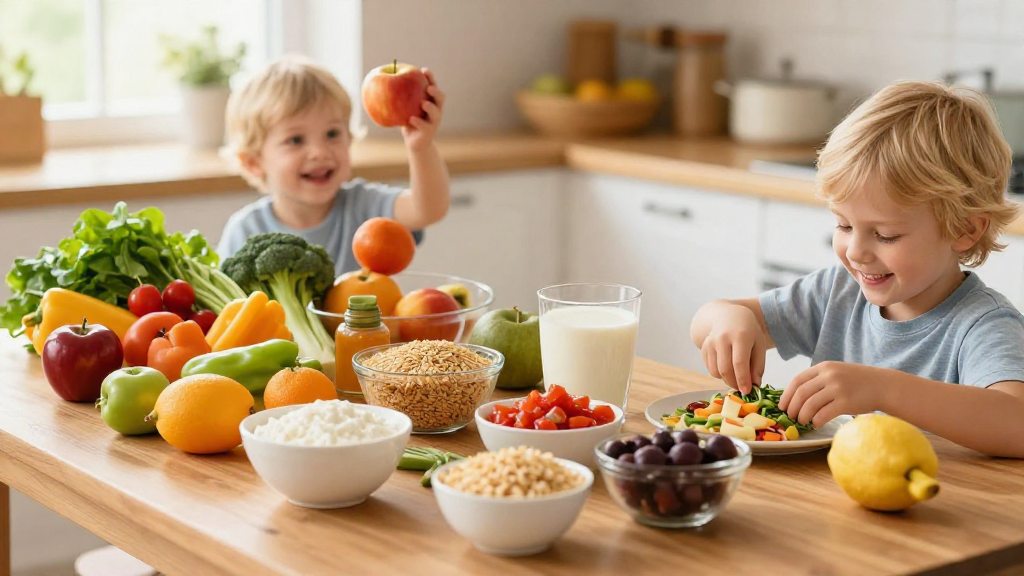
Teaching kids about food groups is essential for fostering healthy eating habits.
Understanding different food groups can help children make informed choices about what they eat.
What Are Food Groups for Kids?
Food groups for kids categorize various types of foods based on their nutritional content.
These groups include:
- Fruits: High in vitamins, minerals, and essential fiber.
- Vegetables: Packed with nutrients and low in calories.
- Grains: Provide energy, mainly in the form of carbohydrates.
- Proteins: Essential for growth and repair of tissues.
- Dairy: Important for bone health and growth, providing calcium and other nutrients.
Understanding food groups for kids can empower them to create balanced meals and encourage a lifelong appreciation for healthy food choices.
Why Is It Important to Teach Kids About Food Groups?
Learning about food groups helps kids develop critical thinking about their diet.
Here are a few reasons why it’s crucial:
-
Nutritional Awareness:
Understanding food groups helps children recognize the nutrients their bodies need. -
Healthy Choices:
It encourages them to make healthier food choices at home and in social situations. -
Balanced Diets:
Knowledge of food groups promotes the concept of balanced meals, leading to better health. -
Culinary Skills:
Teaching kids about food groups often involves cooking, enhancing their creativity and independence in the kitchen.
How Can You Introduce Food Groups for Kids?
There are numerous fun and interactive ways to teach kids about food groups.
Here are some effective methods:
1. Use Visual Aids
Visual aids can capture children’s attention and make learning about food groups more exciting.
- Food Pyramid: Traditional and still relevant, it provides a clear overview of food groups and their proportions.
- MyPlate: The USDA’s updated guideline provides a more modern, straightforward visual that kids can understand easily.
2. Interactive Games
Games can make learning about food groups enjoyable.
- Food Group Bingo: Create bingo cards with items from various food groups. When a food is called, kids need to identify the corresponding food group on their cards.
- Memory Match: Make a memory game with cards showing different foods and their corresponding food groups.
3. Cooking Together
Cooking together can be a fun, hands-on experience for teaching kids about food groups.
- Create a Rainbow Salad: Use various colorful vegetables and fruits to teach kids about the importance of variety in their meals.
- Build Your Own Sandwich: Let kids choose ingredients from different food groups to create their sandwich, discussing each item’s nutritional benefits.
4. Field Trips
Field trips can offer real-life experiences related to food groups.
- Grocery Store Tour: Take children to a grocery store to learn how to identify food groups in a fun way.
- Farmers Market Visits: Explore fresh produce and talk about the benefits of eating whole foods directly from local farmers.
5. Incorporate Stories
Stories can serve as engaging tools for teaching important concepts.
- Story Books: Look for age-appropriate storybooks that feature characters making healthy food choices based on food groups.
- Create Stories Together: Encourage kids to invent their own stories that revolve around adventures in food land, visiting each food group.
What Activities Can Reinforce Learning?
To ensure that children remember what they’ve learned about food groups, consider these engaging activities:
1. Art Projects
Art projects can encourage creativity while solidifying knowledge of food groups.
- Food Collage: Ask kids to cut out pictures of foods from magazines and categorize them into their respective food groups.
- Draw Your Plate: Have kids draw a plate with different sections representing each food group, ensuring they create a balanced meal.
2. Food Group Scavenger Hunt
Organize a scavenger hunt focusing on food groups.
- Clothespin Hunt: Hide clothespins labeled with different food groups around the house or yard. Kids can search for them and match them with actual foods found in the kitchen.
3. Weekly Meal Planning
Engage kids in meal planning to encourage choice and ownership over their diets.
- Create a Weekly Menu: Let kids help design a weekly menu incorporating foods from all food groups. Discuss the benefits of each meal and how it contributes to their health.
What Challenges Might You Face?
While teaching kids about food groups, several challenges could arise.
-
Picky Eaters: Some children may resist trying new foods from different food groups.
– Tip: Try involving them in meal preparation to make them more interested in eating those foods. -
Overwhelmed by Choices: Kids might feel overwhelmed by the variety of foods available.
– Tip: Start with fewer choices and gradually introduce new foods while discussing their health benefits. -
Misinformation: There is a lot of conflicting information about diets.
– Tip: Stick to simple guidelines emphasizing moderation, balance, and variety.
Will This Knowledge Last a Lifetime?
By starting early, you can ensure that children carry this knowledge into adulthood.
Teaching kids about food groups creates a foundational understanding of nutrition that can influence their dietary choices for years to come.
- Healthy Adults: Children who learn about food groups are more likely to grow into health-conscious adults.
- Informed Parents: As they grow, they may take on the responsibility of teaching their children about food groups, continuing the cycle of health education.
Conclusion
Teaching kids about food groups is not just a lesson in nutrition; it’s an investment in their future health and well-being.
By employing visual aids, interactive games, cooking experiences, field trips, and stories, you can create an engaging learning environment that fosters an appreciation for healthy eating.
Remember that reinforcing this knowledge through fun activities and addressing challenges appropriately can make a significant difference.
Start today, and you’ll be amazed at how quickly kids grasp the concepts of food groups for kids, empowering them to make healthier choices for life.