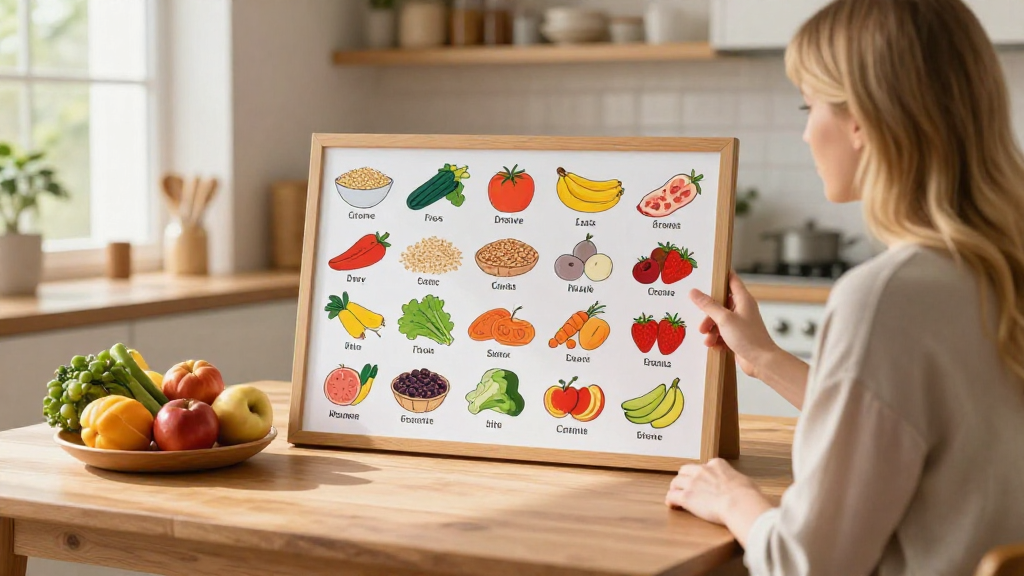
Understanding how to read a food group chart is essential for anyone aiming to maintain a balanced diet.
This visual representation provides clear guidance on the types and amounts of foods we should consume daily.
In this article, we’ll explore what a food group chart is, how it works, and tips for using it effectively.
What Is a Food Group Chart?
A food group chart is a tool that categorizes foods into specific groups based on their nutritional content and health benefits.
Typically divided into five major groups, a food group chart includes:
- Fruits
- Vegetables
- Grains
- Protein
- Dairy
Understanding these groups can help you make informed dietary choices that contribute to overall health and wellness.
Why Is It Important to Read a Food Group Chart?
Reading a food group chart is crucial for several reasons:
-
Meal Planning
It serves as a helpful resource in planning balanced meals throughout the day. -
Nutritional Awareness
By recognizing food groups, individuals become aware of which nutrients they might be lacking. -
Healthy Choices
It encourages healthier food choices by clearly displaying the right proportions for each group. -
Dietary Guidelines
A food group chart reflects dietary guidelines provided by health organizations, ensuring you stay on track with recommended daily servings.
How Do You Interpret a Food Group Chart?
Interpreting a food group chart involves several steps. Here’s how you can do it effectively:
1. Familiarize Yourself With the Groups
Each group on the food group chart serves a unique purpose in your diet:
- Fruits provide vitamins, minerals, and fiber.
- Vegetables are rich in nutrients and low in calories.
- Grains offer energy, mainly through carbohydrates.
- Protein sources help repair tissues and build muscles.
- Dairy products supply calcium and other essential nutrients.
2. Understand Serving Sizes
Pay close attention to serving sizes indicated on the chart.
The food group chart typically outlines:
- Fruits: 1 medium fruit, ½ cup of chopped fruit
- Vegetables: 1 cup of raw leafy vegetables, ½ cup of cooked vegetables
- Grains: 1 slice of bread, ½ cup of cooked rice or pasta
- Protein: 2–3 ounces of meat, fish, or poultry
- Dairy: 1 cup of milk or yogurt, 1.5 ounces of cheese
These serving sizes guide you in knowing how much of each food group to include in your meals.
3. Look for Recommended Daily Servings
A key feature of any food group chart is the illustration of recommended daily servings.
These recommendations are based on age, gender, and level of physical activity. They help ensure you’re meeting your nutritional needs.
For example:
- An active adult may require more servings from the protein group compared to a sedentary adult.
- Children may have different servings for dairy compared to adults, reflecting their growth needs.
4. Balance Your Plate
The goal is to achieve a balanced plate at each meal.
Using the food group chart, you can visualize how to distribute food types.
For instance:
- Half your plate should be filled with fruits and vegetables.
- One-quarter should consist of grains.
- One-quarter should come from protein sources.
This balance not only fosters better health but also improves your overall eating experience.
Are There Variations of the Food Group Chart?
Yes, there are variations of the food group chart that cater to specific diets and nutritional needs.
Here are a few notable examples:
-
MyPlate
This updated guide is a visual representation that emphasizes fruits, vegetables, grains, protein, and dairy. It replaces the previous pyramid model with a more intuitive plate format. -
Mediterranean Diet Chart
Focused on the Mediterranean lifestyle, this chart highlights healthy fats, whole grains, fruits, and vegetables while minimizing red meat and sweets. -
Plant-Based Food Chart
This version emphasizes plant-based proteins, fruits, vegetables, grains, nuts, and seeds, suitable for vegetarian or vegan diets.
What Common Mistakes Should You Avoid?
Reading a food group chart can sometimes be tricky. Here are a few common pitfalls to watch out for:
-
Ignoring Serving Sizes
Many people either underestimate or overestimate their serving sizes, which can lead to an unbalanced diet. -
Neglecting Whole Foods
It’s easy to opt for processed foods within each group, but it’s vital to focus on whole, minimally processed options for better nutrition. -
Forgetting Hydration
While a food group chart helps with solid food intake, don’t forget to consider your beverage choices.
Water is a vital component of a healthy diet and should not be overlooked.
How Can You Incorporate a Food Group Chart Into Your Daily Life?
To make effective use of a food group chart, consider the following tips:
-
Use it for Grocery Shopping
Refer to the food group chart while making grocery lists to ensure you’re stocking up on a variety of foods. -
Plan Your Meals
Create a weekly meal plan based on the recommended servings from the chart. -
Educate Others
Share your knowledge of the food group chart with family and friends. This promotes collective healthy eating habits. -
Track Your Intake
Use the chart as a guide for food journaling, helping you stay accountable for balanced meals.
Conclusion
In conclusion, knowing how to read a food group chart is fundamental to achieving and maintaining a balanced diet.
By familiarizing yourself with the groups, understanding serving sizes, and incorporating its guidelines into your daily meals, you can greatly improve your overall nutritional health.
Embrace the food group chart as your ally in making informed dietary choices, leading you on the path to lasting wellness.
Remember that good nutrition is a vital aspect of a healthy lifestyle, and with the help of tools like a food group chart, you can make significant strides toward better health.