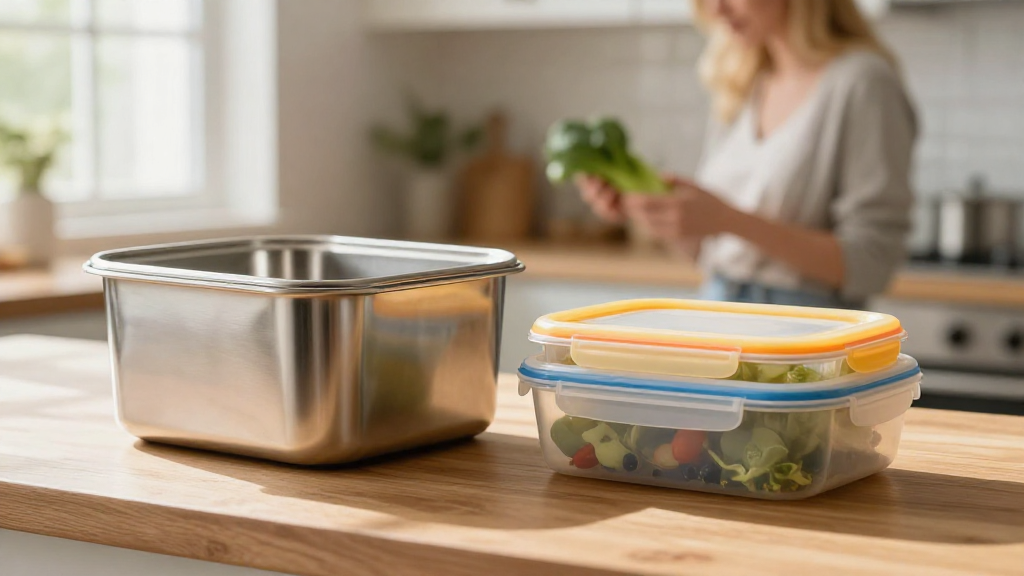
When it comes to selecting materials and products for food contact, understanding the concepts of food grade vs food safe is crucial. In this article, we will delve into the differences between these terms, their applications, and why they matter in food safety.
What Does Food Grade Mean?
Food grade refers to materials that are safe for direct contact with food.
These materials are produced under conditions that meet specific regulatory standards, ensuring they do not leach harmful substances into food.
Common food grade materials include:
- Stainless Steel: Widely used for kitchen utensils and appliances.
- HDPE (High-Density Polyethylene): Often found in recycling numbers 1 and 2, commonly used for containers.
- Glass: Non-reactive and safe for food storage.
Food grade materials go through rigorous testing and certification processes to ensure their safety.
What Does Food Safe Mean?
On the other hand, food safe implies that a product is designed in a way that it does not pose any risk when used in association with food.
However, the term food safe can be somewhat ambiguous.
Key Points about Food Safe Products:
-
Not All Food Safe Products are Food Grade:
– A product can be labeled as food safe based on surface properties or general safety checks, but may not meet comprehensive food grade standards. -
Examples of Food Safe Products:
– Silicone Cooking Utensils: Often considered food safe because they withstand high temperatures without leaching substances.
– Certain Plastics: Many kitchenware items are promoted as food safe but lack specific food grade certifications. -
Applications:
– Food safe products are commonly used in food handling scenarios but may not be suitable for long-term food storage.
How Do Food Grade and Food Safe Differ?
The distinction between food grade vs food safe lies mainly in the regulatory and safety standards applied.
Regulatory Standards:
- Food Grade:
- Governed by organizations such as the FDA (Food and Drug Administration) in the U.S. or similar regulatory bodies globally.
-
Requires comprehensive testing on various factors including leaching, toxicity, and long-term stability when in contact with food.
-
Food Safe:
- May not adhere to the same stringent testing protocols.
- Often based on manufacturers’ claims or general suitability rather than rigorous standards.
Potential Risks:
- Food Grade:
- Ensures safety for prolonged periods with direct contact with food.
-
The risk of contamination is minimal due to strict adherence to guidelines.
-
Food Safe:
- May provide a false sense of security.
- Consumers can unknowingly use items that do not meet food grade specifications, leading to potential health risks.
Why Does the Difference Matter?
Understanding food grade vs food safe is crucial for ensuring food safety in various contexts.
Implications in Everyday Life:
- Food Preparation:
-
Using food grade cutting boards and utensils minimizes the risk of foodborne illnesses.
-
Food Storage:
-
Materials that are food grade are less likely to react with stored foods, preserving flavor and safety.
-
Cooking:
- Cookware labeled as food safe may not withstand high temperatures or could leach chemicals into food.
Public Health:
The ramifications of using non-food grade materials can affect:
- Consumer Health: Health complications from toxins may arise, especially with continuous usage.
- Regulatory Compliance: Businesses may face legal challenges for utilizing materials that are not certified food grade for food contact.
How to Identify Food Grade and Food Safe Products?
To make informed choices, it’s essential to recognize how to differentiate between food grade and food safe products.
Look for Certifications:
- Food Grade:
-
Certifications or marks from regulatory bodies (e.g., FDA, NSF).
-
Food Safe:
- Labeling that indicates general safety but may not include specific standards.
Read Ingredients and Material Safety:
- For plastics, check for recycling numbers that correspond to food safety (1, 2, and 5 are often food grade).
- For metals and ceramics, research specific grades approved for food use.
Research the Manufacturer:
- Reputable manufacturers will often provide extensive details about the compliance and safety standards of their products.
Conclusion: Which Should You Choose?
When deciding between food grade vs food safe, the safest approach is to always opt for food grade materials whenever possible.
The regulatory framework surrounding food grade products provides a higher level of assurance when it comes to food safety.
Utilizing food grade materials for food preparation, storage, and serving not only protects consumer health but also fosters a safer food environment.
By being informed and making choices based on reliable information, consumers and businesses can navigate the complexities of food safety more effectively.
Final Thoughts:
Always prioritize food grade products where possible to mitigate health risks associated with food handling and storage.
With awareness and diligence, you can ensure that the items you use in the kitchen are both safe and appropriate for culinary use.
Understanding the difference between food grade vs food safe is a vital step towards maintaining a healthy and safe food preparation environment for everyone.