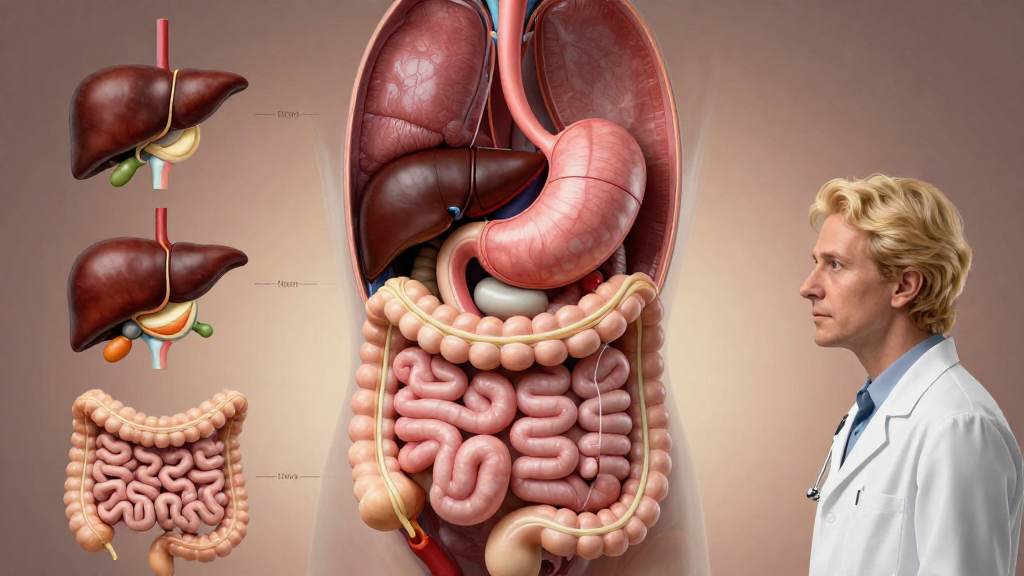
The food digestion process is essential for converting what we eat into nutrients that our bodies can use.
Understanding how this intricate, multi-step journey operates can help us make informed nutritional choices.
What Are the Stages of the Food Digestion Process?
The food digestion process consists of several stages, each playing a crucial role in breaking down food. These stages include:
-
Ingestion
– The very first step, where food enters the mouth.
– Saliva begins to break down carbohydrates. -
Mechanical Digestion
– Chewing or mastication—breaking food into smaller pieces.
– The stomach muscles churn food to mix it with gastric juices. -
Chemical Digestion
– Enzymes and acids break down food at a molecular level.
– This primarily occurs in the stomach and small intestine. -
Absorption
– Nutrients are absorbed through the intestinal walls into the bloodstream.
– This occurs mainly in the small intestine. -
Excretion
– The remaining waste is expelled from the body.
– This mostly takes place in the large intestine and the rectum.
How Does Ingestion Begin the Food Digestion Process?
The food digestion process begins when food enters the mouth. Here’s how it works:
-
Chewing: The teeth break food into smaller pieces, increasing the surface area for enzymes to act upon.
-
Salivary Enzymes: Saliva contains amylase, which starts breaking down starches into sugars.
-
Taste Buds: They help identify flavors, triggering the brain to prepare for digestion.
Ingestion sets the stage for the subsequent stages of digestion.
What Happens During Mechanical Digestion?
Mechanical digestion is integral to the food digestion process as it physically breaks down food. It involves:
-
Mastication: Chewing food into smaller, manageable pieces.
-
Peristalsis: Waves of muscle contractions in the esophagus, pushing food toward the stomach.
-
Churning in the Stomach: The stomach walls contract vigorously, mixing food with gastric juices to form chyme, which is a semi-fluid mass.
Why Is Mechanical Digestion Important?
This phase is crucial because it:
-
Enhances Chemical Digestion: Smaller food particles provide more surface area for enzymes and acids.
-
Prepares Food: It readies food for further breakdown, maximizing nutrient extraction.
How Does Chemical Digestion Take Place?
Chemical digestion involves the breakdown of food at the molecular level. This process is complex and highly organized. Here’s how it unfolds:
-
Gastric Juices: In the stomach, hydrochloric acid and pepsin start protein digestion.
-
Enzyme Action in the Small Intestine:
- Pancreatic enzymes (lipase, proteases, amylase) continue breaking down fats, proteins, and carbohydrates.
- Bile from the liver emulsifies fats, making them easier to digest.
What Are the Key Enzymes in Chemical Digestion?
- Amylase: Breaks down carbohydrates into simple sugars.
- Proteases: Digests proteins into amino acids.
- Lipase: Breaks down fats into fatty acids and glycerol.
Understanding these helped scientists and dietitians identify the best ways to enhance digestion through diet.
Where Does Nutrient Absorption Occur?
Once food has been chemically digested, it’s time for nutrient absorption, a crucial element of the food digestion process. This primarily occurs in:
The Small Intestine
-
Villi and Microvilli: Tiny hair-like structures that increase the surface area, ensuring maximum nutrient absorption.
-
Types of Absorption:
- Passive Transport: Nutrients move along concentration gradients without energy.
- Active Transport: Some nutrients need energy to be absorbed against their concentration gradient.
Nutrients absorbed include:
- Carbohydrates: Transformed into glucose for energy.
- Proteins: Broken down into amino acids for cell repair and growth.
- Fats: Absorbed as fatty acids and utilized for energy storage.
How Does the Body Handle Waste?
The final stage of the food digestion process is excretion. This begins once nutrients are absorbed. Here’s what happens:
-
Large Intestine Role: The large intestine (colon) absorbs excess water and electrolytes from the remaining waste.
-
Formation of Stool: Waste is formed into solid stool as more water is removed.
-
Defecation: The stool is expelled from the body through the rectum and anus.
What Are the Importance of Waste Management?
It’s vital for overall health because:
-
Prevents Toxic Build-Up: Regular excretion helps to remove toxins from the body.
-
Maintains Gut Health: A healthy gut flora depends on a balanced diet and regular elimination of waste.
How Can You Improve Your Food Digestion Process?
Achieving optimal digestion can be enhanced through lifestyle choices and dietary adjustments. Here are some tips:
-
Eat a Balanced Diet: Include fruits, vegetables, whole grains, lean proteins, and healthy fats.
-
Stay Hydrated: Drink plenty of water to help break down food and absorb nutrients.
-
Chew Thoroughly: Take your time to chew food well to aid both mechanical and chemical digestion.
-
Incorporate Probiotics: Foods like yogurt and fermented vegetables can support gut health.
-
Limit Processed Foods: These can be harder to digest and may disrupt gut flora.
-
Exercise Regularly: Physical activity promotes gastrointestinal motility, aiding the digestion process.
By implementing these suggestions, you can enhance your overall food digestion process and improve your well-being.
Conclusion
The food digestion process is a complex series of steps essential for transforming food into valuable nutrients.
From ingestion to excretion, each stage is vital for maintaining health and energy levels.
By understanding and improving this process through mindful eating and lifestyle choices, you can support your body’s needs and promote better health.
Remember, a well-functioning digestion system is foundational for overall health as it ensures that nutrients effectively fuel your body.