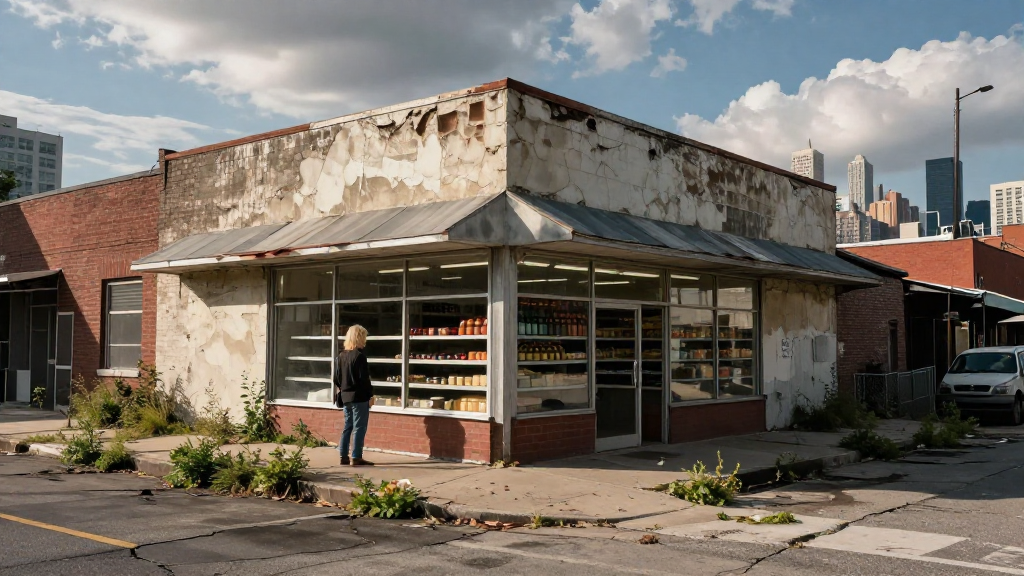
Food deserts in cities represent a significant public health issue that affects millions of people across the globe.
These areas are characterized by limited access to affordable and nutritious food.
In this article, we explore the definition of food deserts in cities, their causes, and the profound impact they have on urban communities.
What Do We Mean by Food Deserts in Cities?
Food deserts in cities are defined as urban areas where residents have limited access to fresh, healthy, and affordable foods.
Typically, these areas lack grocery stores or supermarkets within a convenient traveling distance.
Instead, residents might rely on small convenience stores or fast-food outlets that often do not carry fresh produce or healthy meal options.
Key characteristics of food deserts in cities include:
- Low-income neighborhoods: Higher concentration of individuals living below the poverty line.
- High population density: An urban environment where many people live in a concentrated area.
- Limited food retailers: A scarcity of grocery stores offering an array of healthy food choices.
Why Do Food Deserts in Cities Exist?
Understanding why food deserts in cities exist involves examining a combination of economic, social, and infrastructural factors.
Some of the primary contributors include:
1. Economic Disparities
Low-income communities often struggle to attract large grocery chains.
This results in a lack of investment in infrastructure necessary to support food outlets.
The economics of supply and demand suggest that:
- Lower profit margins in low-income neighborhoods deter major retailers.
- High operational costs can hinder small businesses from providing fresh food options.
2. Urban Planning and Zoning Laws
Urban planning plays a crucial role in determining the distribution of food retailers.
Some areas may have strict zoning laws that make it difficult for grocery stores to open.
Key issues include:
- Land use regulations: Favor residential or commercial developments over those designed for food retail.
- Transport infrastructure: Poor public transport options limit access to grocery stores even for those in nearby neighborhoods.
3. Transportation Barriers
Transportation is critical in accessing food.
In cities, many residents rely on public transportation or walking to get to their grocery stores.
When public transport options are limited, it becomes difficult to travel to stores that offer healthy food choices.
- Long travel times: Inconvenience discourages residents from traveling farther for healthy options.
- Costly transport fares: Budget constraints can make trips to distant stores unaffordable.
4. Lack of Education
Food literacy plays a significant role in diet quality and health.
Many residents may lack information about nutrition, cooking, or meal planning, contributing to poor dietary choices.
This can be exacerbated by:
- Limited access to community programs that promote healthy eating and cooking skills.
- Cultural norms surrounding food that favor convenience over nutrition.
5. Societal and Cultural Factors
Cultural influences shape food choices, and in food deserts in cities, unhealthy eating patterns may prevail.
Convenient, quick meal solutions become the norm due to:
- Busy lifestyles: Many individuals lack time to cook homemade meals.
- Fast food prevalence: The accessibility of fast food can overshadow healthier options.
What Are the Effects of Food Deserts in Cities?
The consequences of food deserts in cities extend beyond mere dietary choices.
They profoundly influence the overall health and quality of life of affected populations.
1. Increased Health Risks
Residents in food deserts often have limited access to fresh fruits and vegetables, resulting in:
- Higher rates of obesity: Lack of nutritious options encourages unhealthy eating habits.
- Increased chronic diseases: Such as diabetes and cardiovascular issues.
2. Financial Strain
Shopping in food deserts can lead to unexpected financial burdens, including:
- Higher prices for low-quality food: Limited competition often drives up prices.
- Increased health care costs: Poor nutrition contributes to long-term health problems that necessitate medical attention.
3. Social Disparities
Food deserts can exacerbate social inequalities, leading to:
- Increased food insecurity: Families may not have consistent access to sufficient, safe, and nutritious food.
- Reduced quality of life: Poor nutrition can affect mental health, education, and workplace productivity.
How Can We Address Food Deserts in Cities?
Despite the challenges posed by food deserts in cities, there are actionable steps that can be taken to combat the issue.
1. Community Gardens and Urban Agriculture
Promoting community gardens can empower residents to grow their own food.
Initiatives can include:
- Cooperative gardens that foster community involvement.
- Education in gardening to equip residents with necessary skills.
2. Grocery Store Incentives
Governments and local organizations can create incentives for grocery stores to operate in underserved neighborhoods.
Incentive-based programs might include:
- Tax incentives or grants for stores that choose to build in food deserts.
- Targeted subsidies for fresh produce to encourage healthy eating.
3. Improving Transportation
Enhancing public transportation routes and services can significantly affect food access in urban areas.
Potential improvements could include:
- Extended public transit hours for easy access to grocery stores.
- Mobile markets, which bring produce directly into underserved neighborhoods.
4. Educational Programs
Community education initiatives can improve residents’ understanding of nutrition and cooking.
Programs can provide:
- Cooking classes that focus on using seasonal and local ingredients.
- Workshops on budgeting to help families buy and prepare healthy meals.
Conclusion
Food deserts in cities pose a staggering challenge to public health and social equity.
Combating this issue requires a multifaceted approach that includes urban planning, community engagement, and education.
By working together, cities can strive to create a reliable food infrastructure that ensures all residents have access to healthy and affordable food options, ultimately leading to a healthier and more prosperous community.