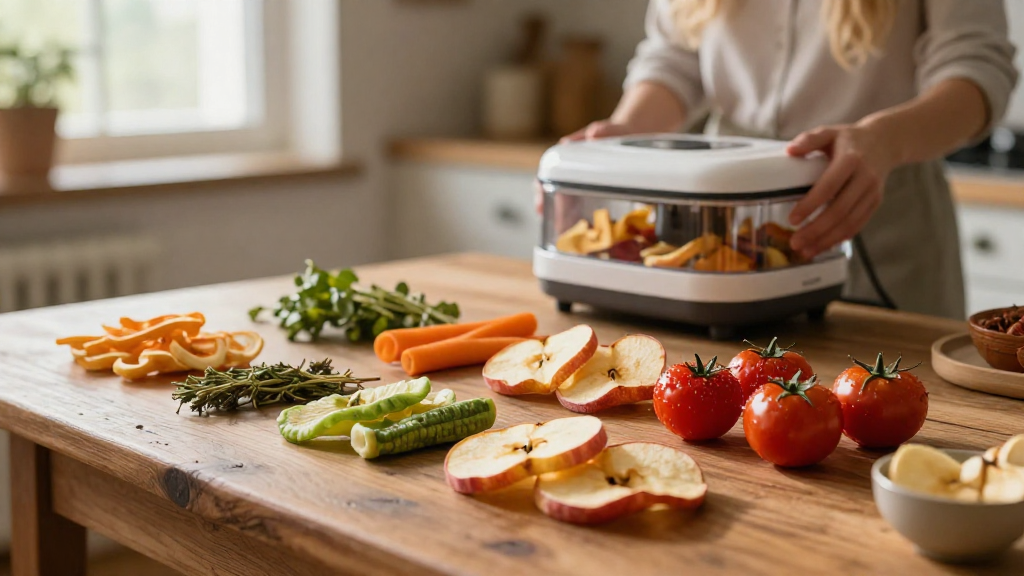
Food dehydration techniques are methods used to remove moisture from food, enhancing its shelf life and preserving its nutritional value.
In this article, we will explore how these techniques work, their benefits, and how you can implement them at home.
What Are Food Dehydration Techniques?
Food dehydration techniques involve removing the water content from food items while maintaining their flavor, color, and nutritional value.
This process helps to reduce the weight of the food, making it easier to store and transport.
The main methods of food dehydration include:
- Air drying: Using sun or air to remove moisture.
- Oven drying: Utilizing low heat in an oven to dry food.
- Dehydrator drying: Investing in a food dehydrator for controlled conditions.
- Freeze drying: Using low temperatures and vacuum pressure to extract water.
Each method has its pros and cons, but they all aim to achieve the same goal: making food last longer.
How Do Different Food Dehydration Techniques Work?
What Is Air Drying?
Air drying is the oldest method of food preservation.
It involves hanging or laying out food in a location with good air circulation.
The basic steps include:
- Preparation: Clean and slice the food to reduce drying time.
- Placement: Arrange the food on drying racks or hang it where there’s airflow.
- Monitoring: Ensure that the food is not exposed to too much direct sunlight to avoid overcooking.
Pros: Minimal equipment required, vitamin retention.
Cons: Weather-dependent, can be slow.
What Is Oven Drying?
This method employs low temperature to remove moisture from food quickly.
Here’s how to do it:
- Preheat the oven: Set it to a low setting, usually between 140°F and 200°F (60°C to 90°C).
- Slice food: Cut the food into uniform pieces for even drying.
- Spread out: Arrange the food on a baking sheet, ideally with a wire rack for improved air circulation.
- Check regularly: Flip the food and monitor doneness to avoid cooking.
Pros: Faster than air drying, good control over temperatures.
Cons: High energy consumption, may not be suitable for all foods.
What Is Dehydrator Drying?
A food dehydrator is an electrical appliance designed specifically for food dehydration techniques.
It provides a controlled environment with consistent airflow and heat.
Here’s how to use it:
- Preheat the dehydrator: Follow the manufacturer’s instructions for temperature settings.
- Prepare food: Wash, peel, and slice as necessary.
- Arrange food: Lay food flat on the dehydrator trays, leaving space for airflow.
- Start the machine: Set the timer based on the food type.
Pros: Consistent results, energy-efficient.
Cons: Initial investment required, takes up space.
What Is Freeze Drying?
Freeze drying is one of the most advanced food dehydration techniques.
It involves freezing the food and then reducing the surrounding pressure to allow the frozen water to sublimate directly into vapor.
The process can be summarized as follows:
- Freezing: Rapidly freeze the food at very low temperatures.
- Vacuuming: Place the frozen food in a vacuum chamber to reduce pressure.
- Sublimation: Gradually warm the food to convert ice directly to vapor.
Pros: Retains flavor and nutritional value, long storage life.
Cons: Expensive equipment, complex process.
Why Use Food Dehydration Techniques?
What Are the Benefits of Food Dehydration?
Food dehydration techniques offer several advantages, making them popular among home cooks and food enthusiasts alike:
- Extended Shelf Life: Removing moisture significantly prolongs the storage life of food.
- Nutritional Preservation: Many methods maintain essential nutrients, especially when done correctly.
- Portability: Dehydrated food is lighter and more convenient to transport.
- Versatility: Almost any food can be dehydrated, from fruits and vegetables to meats and herbs.
- Flavor Concentration: As moisture evaporates, flavors become more intense and concentrated.
How Can You Implement These Techniques at Home?
If you are interested in trying out food dehydration techniques at home, consider these tips:
- Choose the right foods: Not all foods dehydrate well. Fruits, vegetables, and herbs are ideal candidates.
- Use fresh ingredients: Higher quality leads to better outcomes.
- Prep food properly: Clean and cut food items to ensure even drying.
- Monitor moisture levels: Test dried food to ensure it is adequately dehydrated before storing.
- Store correctly: Use airtight containers in cool, dark places to maintain freshness.
What Are Common Mistakes to Avoid?
To maximize the effectiveness of food dehydration techniques, avoid these common pitfalls:
- Skipping preparation: Always wash, peel, and slice food before dehydrating.
- Overloading the dehydrator: Allow ample space for airflow.
- Ignoring temperature guidelines: Follow recommended temperatures for safe drying.
- Insufficient cooling: Let the dehydrated food cool before storing to avoid condensation.
Conclusion: Why Mastering Food Dehydration Techniques is Essential
Understanding food dehydration techniques can revolutionize how you manage food storage and nutrition.
By employing methods that suit your lifestyle, you can preserve flavors, increase shelf life, and enjoy a diverse range of healthy snacks.
Whether you choose air drying, oven drying, using a dehydrator, or even experimenting with freeze drying, the principles remain the same.
With a bit of practice and patience, you can master these techniques and enjoy the benefits of dehydrated food in your pantry.
Start experimenting today, and watch as you elevate your culinary skills while reducing food waste!