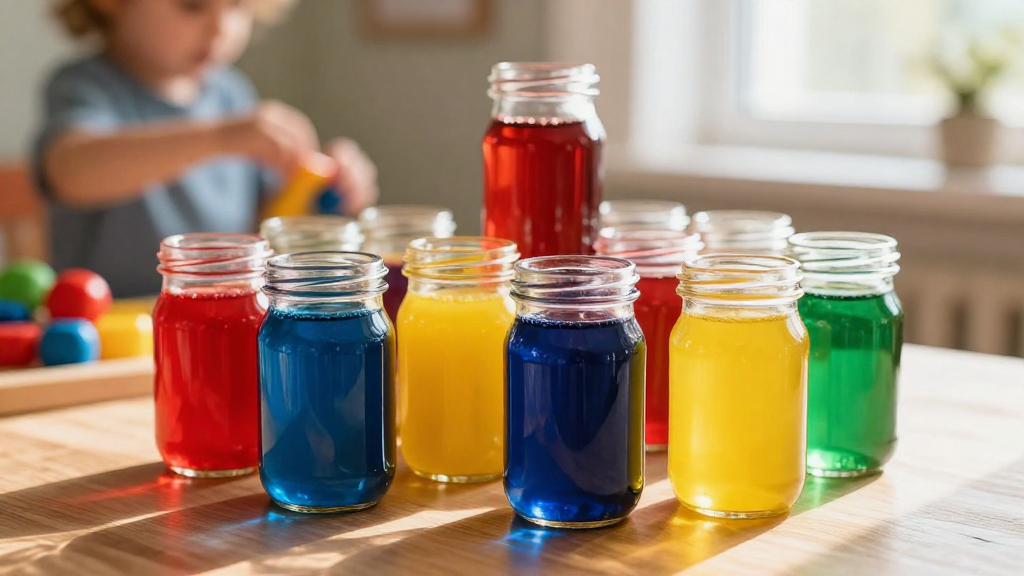
The relationship between food colorings and behavior has sparked significant debate among parents, educators, and researchers alike. Could the vibrant colors in our foods be influencing how children act?
What Are Food Colorings?
Food colorings are synthetic or natural substances added to food and beverages to enhance their appearance.
These color additives are often used in:
- Candies
- Cereals
- Beverages
- Dairy products
- Processed foods
Synthetic food colorings, such as Red 40 and Yellow 5, are particularly prevalent in various products.
How Do Food Colorings Work?
Food colorings work by altering the appearance of foods, making them more visually appealing.
This can lead to higher consumer purchasing rates, especially among children who are drawn to brightly colored products. However, this enhanced visual appeal raises questions about unintended effects, particularly regarding children’s behavior.
Are There Studies Linking Food Colorings and Behavior?
Numerous studies have explored the potential links between food colorings and behavior. Some research indicates that certain artificial color additives may be associated with hyperactivity and other behavioral issues in children.
Key Findings
-
Hyperactivity: Studies, including a notable one conducted by the University of Southampton, suggest that artificial food colorings, when combined with preservatives, may increase hyperactive behavior in susceptible children.
-
Mood Fluctuations: There’s anecdotal evidence from parents and teachers noting fluctuations in mood with the consumption of brightly colored foods.
-
Individual Sensitivity: Not all children react the same way. Some individuals may be more sensitive to food colorings than others, leading to varied behavioral responses.
What Are Common Food Colorings?
When discussing food colorings and behavior, it’s essential to understand which specific additives are often involved. Here are a few common food colorings to watch for:
- Red 40: A widely used synthetic red dye.
- Yellow 5: Another synthetic dye, also known as tartrazine.
- Blue 1: A blue dye often found in beverages and candies.
- Green 3: Commonly found in green-colored products, like candies and ice creams.
Why Might Food Colorings Affect Behavior?
Chemical Composition
The chemical structure of synthetic food colorings can affect brain chemistry.
Some studies suggest that these additives, especially when consumed in large amounts, can alter neurotransmitter activity in the brain. This alteration may lead to symptoms akin to those seen in ADHD (Attention Deficit Hyperactivity Disorder).
Environmental and Dietary Factors
-
Dietary Habits: A diet high in processed foods often coincides with increased consumption of food colorings, which might have a compounded effect on behavior.
-
Additives in Combination: The presence of other additives, such as preservatives and artificial flavors, may also contribute to behavioral changes.
-
General Diet Quality: A diet lacking in essential nutrients (like omega-3 fatty acids, vitamins, and minerals) can intensify adverse reactions to food additives, including colorings.
How Can Parents Monitor Food Colorings’ Effects on Behavior?
Keep a Food Diary
Parents may consider keeping a food diary, tracking what their children eat alongside their behaviors.
This can help identify potential correlations between specific foods containing colorings and behavioral changes.
Choose Natural Alternatives
Whenever possible, opt for natural food colorings derived from fruits, vegetables, and spices.
Some natural alternatives include:
- Beet powder (for red)
- Turmeric (for yellow)
- Spinach powder (for green)
These natural options can provide color without the potential negative effects associated with synthetic counterparts.
What Are Some Alternative Approaches?
Focus on Whole Foods
Encouraging a diet rich in whole foods can minimize children’s exposure to artificial additives, including food colorings.
- Whole fruits and vegetables
- Whole grains
- Lean proteins
These foods can support better overall health and may improve behavior by providing essential nutrients.
Consult Healthcare Professionals
If behavioral issues are a concern, consider consulting a healthcare professional.
Pediatricians can assist in identifying any dietary causes and recommend appropriate action.
Conclusion: Can Food Colorings Affect Behavior?
While research on the connection between food colorings and behavior is ongoing, many parents and caregivers remain vigilant about the potential impact of these additives.
The key is awareness.
By understanding which food colorings are prevalent in the diet, keeping track of food intake, and opting for natural alternatives, parents can better manage their children’s consumption.
Ultimately, while not every child will experience behavior changes due to food colorings, maintaining a balanced diet rich in whole foods can promote healthier eating habits and potentially lead to improved behavioral outcomes.
In summary, being informed about food choices and monitoring their effects can lead to better behavioral health for our children. As research continues in this area, remaining engaged and proactive will ensure a wholesome approach to both diet and behavior.