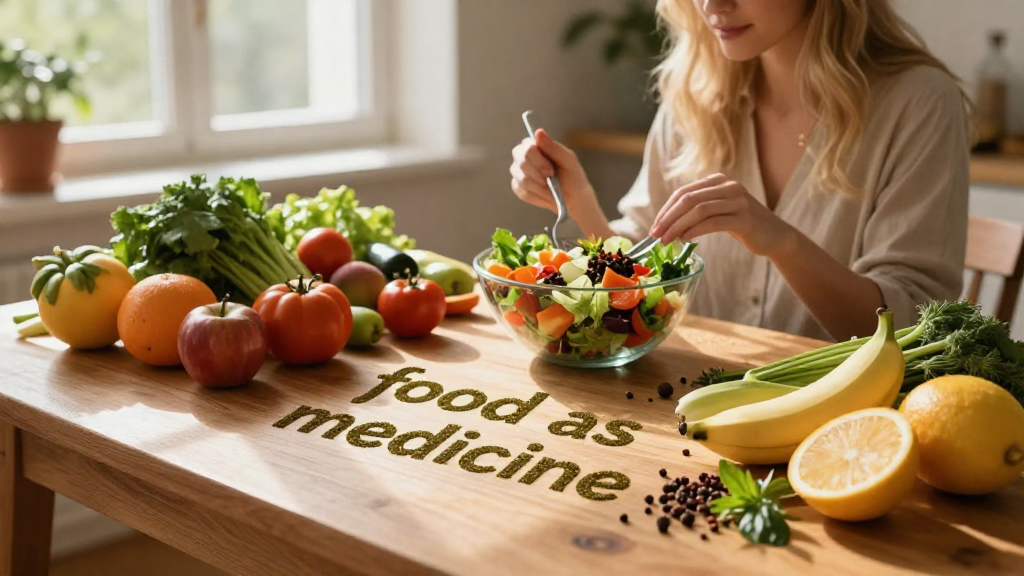
The food as medicine concept is a transformative approach to health and wellness, emphasizing the integral role of nutrition in keeping our bodies healthy and preventing disease.
What Does the Food as Medicine Concept Entail?
At its core, the food as medicine concept suggests that what we eat can significantly influence our physical and mental health. This philosophy posits that:
- Whole foods, vegetables, and fruits provide essential nutrients.
- Consuming natural ingredients can prevent or even manage chronic diseases.
- Eating mindfully fosters a deeper connection between our bodies and the food we consume.
The idea advocates for a shift away from relying solely on pharmaceuticals, promoting nutrition as a powerful tool for health management.
How Did the Food as Medicine Concept Evolve Over Time?
The food as medicine concept is not a modern invention. Its roots can be traced back thousands of years to ancient cultures. Historical insights show that:
- Hippocrates, often referred to as the “father of medicine,” once said, “Let food be thy medicine, and let medicine be thy food.”
- Traditional Chinese Medicine has long utilized specific foods to promote healing and balance in the body.
- Ayurveda, India’s ancient system of medicine, emphasizes the importance of dietary choices in achieving wellness.
In modern times, this concept has gained traction due to increased awareness of lifestyle-related diseases and the necessity for preventive health measures.
What Are the Key Components of the Food as Medicine Concept?
Several essential principles define the food as medicine concept:
- Nutritional Science: A foundational understanding of how nutrition impacts biological processes.
- Functional Foods: Foods that offer health benefits beyond basic nutrition. Examples include:
– Berries for their antioxidants.
– Fatty fish for omega-3 fatty acids.
– Leafy greens for their vitamins and minerals. - Holistic Approach: Considering the whole person—mind, body, and spirit—in your dietary choices.
- Preventive Care: Focusing on diets that help prevent diseases before they develop.
- Personalization of Diets: Understanding that individual needs may vary based on genetics, health status, lifestyle, and preferences.
What Role Do Nutrients Play in the Food as Medicine Concept?
In the food as medicine concept, nutrients are the building blocks of health. Different nutrients play specific roles in maintaining optimal health, such as:
- Vitamins: Help in various bodily functions, from energy production to immune support.
- Minerals: Crucial for nerve function, bone health, and muscle contraction.
- Phytonutrients: Found in plant foods, they have antioxidant properties, combating oxidative stress.
- Fiber: Important for digestive health and can help regulate blood sugar levels.
By focusing on these nutrients, individuals can tailor their diets to support specific health goals, ranging from weight loss to improved heart health.
How Can You Implement the Food as Medicine Concept in Your Daily Life?
Embracing the food as medicine concept requires practical steps. Here are some actionable strategies:
-
Incorporate a Variety of Foods:
– Aim for a colorful plate filled with fruits and vegetables.
– Include whole grains like quinoa or brown rice.
– Opt for lean proteins such as chicken, beans, or legumes. -
Stay Informed:
– Research different food benefits.
– Consult with nutritionists or dietitians who can guide you in making informed choices. -
Mindful Eating:
– Pay attention to how food affects your body.
– Take time to enjoy meals, promoting better digestion and satiety. -
Prepare Meals at Home:
– Home cooking allows for control over ingredients, which can lead to healthier choices.
– Experiment with herbs and spices known for their medicinal properties, like turmeric for its anti-inflammatory benefits. -
Tune In to Your Body:
– Listen to hunger signals and eat in accordance with both physical and emotional needs.
What Are the Challenges of Adopting the Food as Medicine Concept?
While the food as medicine concept presents numerous benefits, there are challenges to consider:
- Accessibility: Not everyone has equal access to fresh, nutritious foods. This can create disparities in health outcomes.
- Education: A lack of knowledge regarding nutritional science and how to create balanced meals can hinder implementation.
- Cultural Preferences: Deep-rooted food traditions and preferences can complicate dietary adjustments.
- Financial Constraints: Healthier options may sometimes appear more expensive, making it challenging for some individuals to prioritize nutritious foods.
What Is the Future of the Food as Medicine Concept?
As more research illustrates the connection between diet and health, the food as medicine concept is likely to shape future health practices. Potential developments include:
- Integration into Healthcare Systems: We may witness greater acceptance of dietary counseling as part of standard medical care.
- Food as a Prescription: Some healthcare providers are already prescribing fresh produce or functional foods to patients as part of treatment plans.
- Increased Public Awareness: As education and advocacy efforts grow, more individuals may adopt this philosophy in their daily lives.
Conclusion: Why Embrace the Food as Medicine Concept?
The food as medicine concept is more than a trending idea; it embodies a necessary shift in how we view health and nutrition.
By understanding the profound impact of food on our well-being, we can make informed choices that lead to improved health outcomes and a more balanced lifestyle.
Incorporating this concept into daily life encourages us to take an active role in our health and empowers us to use food—not just as sustenance but as a tool for healing and longevity.
Start today by exploring this engaging philosophy and see how it can transform your approach to nutrition and overall wellness.