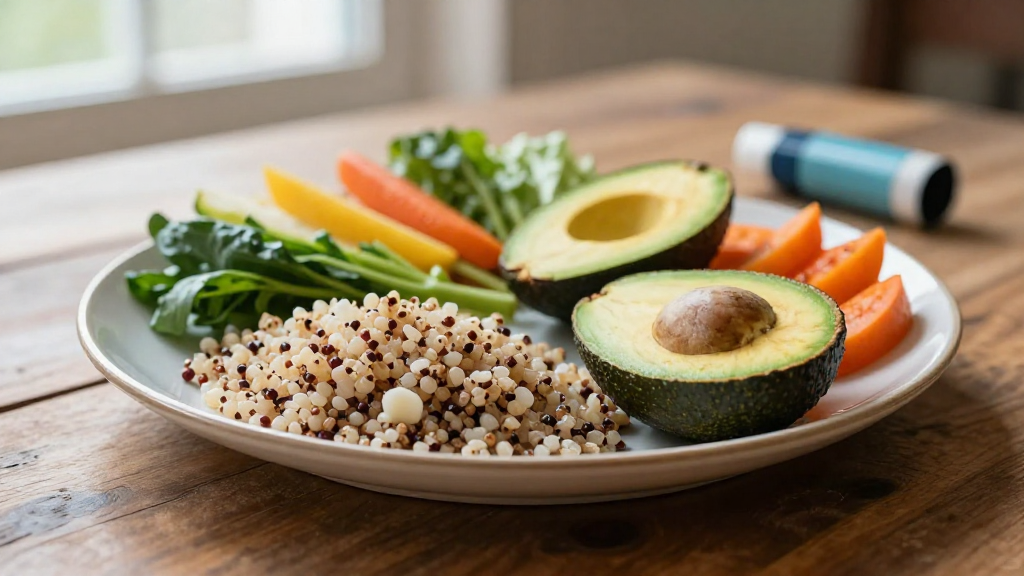
The relationship between food allergies and asthma is a topic of growing interest and concern among medical professionals and the general public alike.
What Are Food Allergies?
Food allergies occur when the immune system mistakenly identifies a specific protein in food as harmful.
This leads to an allergic reaction, which can range from mild symptoms like hives to severe anaphylaxis.
Common food allergens include:
- Peanuts
- Tree nuts
- Milk
- Eggs
- Wheat
- Soy
- Fish
- Shellfish
These foods trigger the immune response, resulting in symptoms that may vary in intensity.
How Does Asthma Relate to Food Allergies?
Asthma is a chronic respiratory condition characterized by:
- Wheezing
- Shortness of breath
- Chest tightness
- Coughing
The connection between food allergies and asthma has garnered attention because both conditions share similar underlying mechanisms involving the immune system.
One critical aspect is that allergic reactions can lead to airway inflammation, which can trigger or worsen asthma.
Can Food Allergies Trigger Asthma Attacks?
Yes, in some individuals, food allergies can trigger asthma attacks.
This phenomenon is often referred to as food-induced asthma.
For some people, ingesting allergens can cause the body to release chemicals like histamines.
These chemicals can lead to inflammation and tightening of the airways, resulting in:
- Increased difficulty breathing
- Worsening of pre-existing asthma symptoms
- Greater frequency of asthma attacks
Who Is at Risk for Food Allergies and Asthma?
Certain groups are more susceptible to having both food allergies and asthma.
High-risk populations include:
- Children: Many children with food allergies also have asthma.
- Individuals with a family history of asthma or allergies: Genetic predisposition plays a significant role.
- Those with specific environmental exposures: Pollution and other allergens can increase vulnerability.
How Common Are Food Allergies and Asthma?
The prevalence of both conditions is on the rise globally.
Approximately 5% to 10% of children have food allergies, and asthma affects roughly 8% of the population.
The following statistics may help illustrate their connection:
- Up to 30% of children with asthma also have food allergies.
- 70% of adults with food allergies may experience asthma symptoms.
These figures underline the importance of understanding the interplay between food allergies and asthma.
What Symptoms Should You Watch For?
If you or your child has food allergies and asthma, it’s essential to be vigilant about symptoms.
Keep an eye out for:
- Nasal congestion
- Skin reactions, such as eczema or hives
- Difficulty breathing
- Chest discomfort
- Gastrointestinal issues like vomiting or diarrhea
Recognizing these symptoms fast can help mitigate any severe reactions.
How Are Food Allergies Diagnosed and Treated?
Diagnosis typically involves a combination of:
- Medical history: Discussing symptoms and any known allergies.
- Allergy tests: Skin prick tests or blood tests can help identify specific food allergens.
Once diagnosed, treatment mainly focuses on:
- Avoidance: The most effective way to prevent allergic reactions is to avoid the offending food.
- Emergency action plans: If severe reactions occur, you may need an EpiPen for immediate treatment.
In terms of asthma management, treatments may include:
- Inhalers: To relieve symptoms during an asthma attack.
- Long-term control medications: To reduce inflammation and prevent attacks.
Can You Outgrow Food Allergies?
Interestingly, some children can outgrow certain food allergies, particularly milk and eggs.
However, allergies to peanuts and tree nuts tend to be more persistent.
Food allergies and asthma are interlinked; individuals with one may also exhibit symptoms of the other.
Regular consultations with allergists and pulmonologists can help in managing these conditions effectively.
Is There a Dietary Approach to Managing Both Conditions?
Yes, dietary modifications can play a significant role in managing food allergies and asthma.
Eating a well-balanced diet that minimizes exposure to allergens can help reduce asthma symptoms.
Recommended dietary strategies include:
- Maintaining a food diary: Record what you eat and note any symptoms.
- Understanding cross-reactivity: Some foods may cause reactions depending on other allergies.
- Consulting a registered dietitian: For personalized and safe dietary planning.
Conclusion: Understanding the Connection
The interconnection between food allergies and asthma is a complex but essential area of study.
While not everyone with food allergies will develop asthma—and vice versa—there’s a significant overlap in symptoms and triggers.
Monitoring symptoms closely, adhering to treatment plans, and engaging with healthcare professionals are crucial for managing both conditions.
By understanding the relationship between these two issues, individuals and families can take proactive steps to ensure better health outcomes.
Through awareness and education, managing food allergies and asthma together can lead to improved quality of life.
Final Thoughts
If you or a loved one suffers from both food allergies and asthma, it’s vital to stay informed and vigilant.
Understanding the risks and recognizing symptoms can empower you to handle these conditions better.
Seek professional medical advice for tailored strategies, making sure to integrate comprehensive care that addresses both food allergies and asthma effectively.