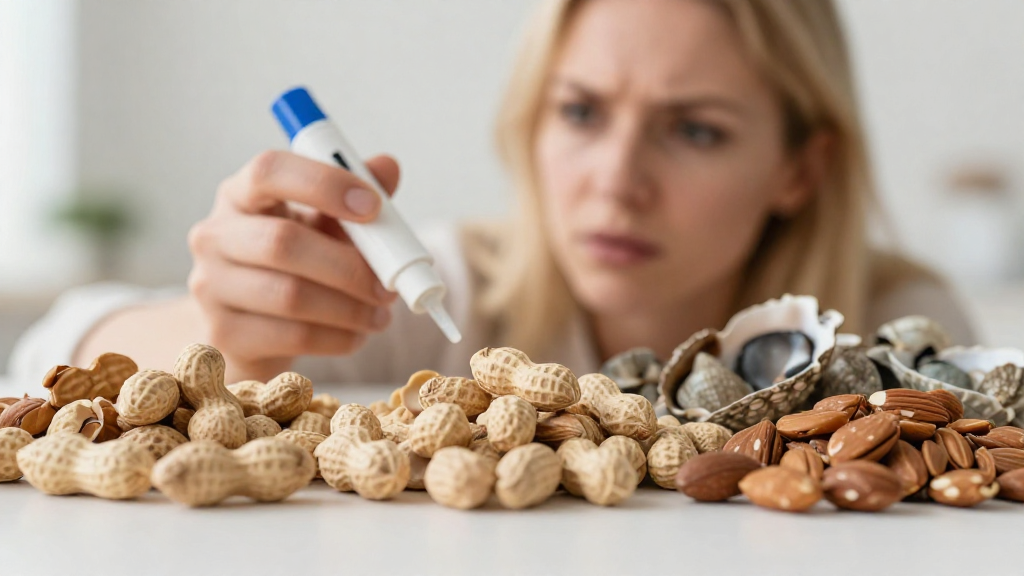
Understanding the relationship between food allergies and anaphylaxis is crucial for anyone affected by these conditions.
These two medical issues can be life-threatening, especially if not correctly understood and managed.
What Are Food Allergies?
Food allergies occur when the body’s immune system mistakenly identifies a harmless food protein as a threat.
When a person ingests a specific food they are allergic to, their immune system reacts aggressively.
This reaction can range from mild symptoms to severe, life-threatening conditions like anaphylaxis.
Common food allergens include:
- Peanuts
- Tree nuts
- Milk
- Eggs
- Fish
- Shellfish
- Wheat
- Soy
The symptoms of food allergies can manifest in various ways, including:
- Skin reactions like hives or swelling.
- Gastrointestinal distress such as nausea, vomiting, or diarrhea.
- Respiratory issues including wheezing, nasal congestion, or difficulty breathing.
Recognizing these symptoms early can be critical for those with food allergies.
What Is Anaphylaxis?
Anaphylaxis is a severe, potentially life-threatening allergic reaction.
It can occur rapidly after exposure to an allergen, making it paramount to understand the connection between food allergies and anaphylaxis.
Some key features of anaphylaxis include:
- Rapid onset: Symptoms can develop within minutes.
- Systemic effects: Anaphylaxis can affect multiple body systems.
- Life-threatening: It can lead to shock, organ failure, or death if not treated immediately.
Symptoms typically involve:
- Swelling of the throat, lips, or tongue.
- Difficulty breathing or wheezing.
- Rapid heartbeat or weak pulse.
- Severe drops in blood pressure.
- Dizziness or loss of consciousness.
Given the severity of anaphylaxis, it’s essential to recognize triggers and symptoms.
What Causes Anaphylaxis in People with Food Allergies?
Food allergies are among the leading causes of anaphylaxis.
When someone with a food allergy consumes an allergen, their immune system releases chemicals like histamine.
These chemicals are responsible for the symptoms associated with anaphylaxis.
The Mechanism of Anaphylaxis
Here’s how the reaction unfolds:
- Exposure: A food allergen enters the body.
- Immune Response: The immune system identifies the allergen and triggers a response.
- Chemical Release: Histamine and other chemicals are released into the bloodstream.
- Symptoms Develop: This flood of chemicals causes widespread effects, leading to symptoms like swelling and difficulty breathing.
In some cases, individuals may have undiagnosed food allergies and may not be aware of their risk of anaphylaxis.
How Common Is Anaphylaxis Related to Food Allergies?
Food-related anaphylaxis is on the rise and is a growing public health concern.
According to recent studies, approximately 2-3% of the population experiences food allergies.
Of those, a significant number may face the risk of anaphylaxis, accounting for about 30,000 emergency room visits each year in the United States alone.
Who Is at Risk?
Certain populations are more vulnerable to food-triggered anaphylaxis, including:
- Individuals with a history of asthma.
- People with other allergies, such as hay fever or eczema.
- Families with a history of allergies.
- Children, particularly those with allergies to peanuts and tree nuts.
Identifying people at risk of experiencing anaphylaxis due to food allergies is vital for prevention.
How Can You Prevent Anaphylaxis from Food Allergies?
Prevention is key to managing the risk associated with food allergies and anaphylaxis.
Here are essential prevention strategies:
1. Avoid Allergens
- Read food labels meticulously.
- Be cautious of cross-contact during meal preparation.
- Educate family members, friends, and caregivers about allergens.
2. Carry Emergency Medication
- Individuals with known food allergies should carry epinephrine auto-injectors (such as EpiPen) at all times.
- Make sure any caregiver or school staff is also familiar with administering the auto-injector in case of an emergency.
3. Create an Action Plan
- Work with a healthcare provider to develop an allergy action plan.
- Ensure it’s accessible to all caregivers and is routinely updated.
4. Educate Others
- Raise awareness among friends, family, and even restaurant staff about food allergies and their potential ramifications.
By adopting these preventive measures, individuals can significantly reduce the risk of experiencing anaphylaxis due to food allergies.
What Should You Do If Anaphylaxis Occurs?
In the event of an anaphylactic reaction, quick action is paramount.
-
Administer Epinephrine Immediately:
Use an auto-injector as soon as symptoms arise. -
Call Emergency Services:
Even if symptoms seem to improve, seeking medical assistance is crucial. -
Monitor Symptoms:
Watch for any changes in symptoms until help arrives. -
Stay Calm:
Keeping a level head can help others aid you effectively.
Conclusion: Understanding the Link Between Food Allergies and Anaphylaxis
The relationship between food allergies and anaphylaxis is one that requires understanding and vigilance.
Awareness of what food allergies are, the potential for anaphylaxis, and strategies to prevent and respond to emergencies can significantly enhance safety and quality of life for those affected.
By educating oneself and being prepared, individuals at risk can navigate this challenging landscape more confidently.
For those with food allergies, knowing that you have the tools and resources to prevent and mitigate anaphylaxis can provide peace of mind.
Staying informed, keeping emergency medications accessible, and having a clear action plan can make all the difference in ensuring safety in the face of potential allergens.