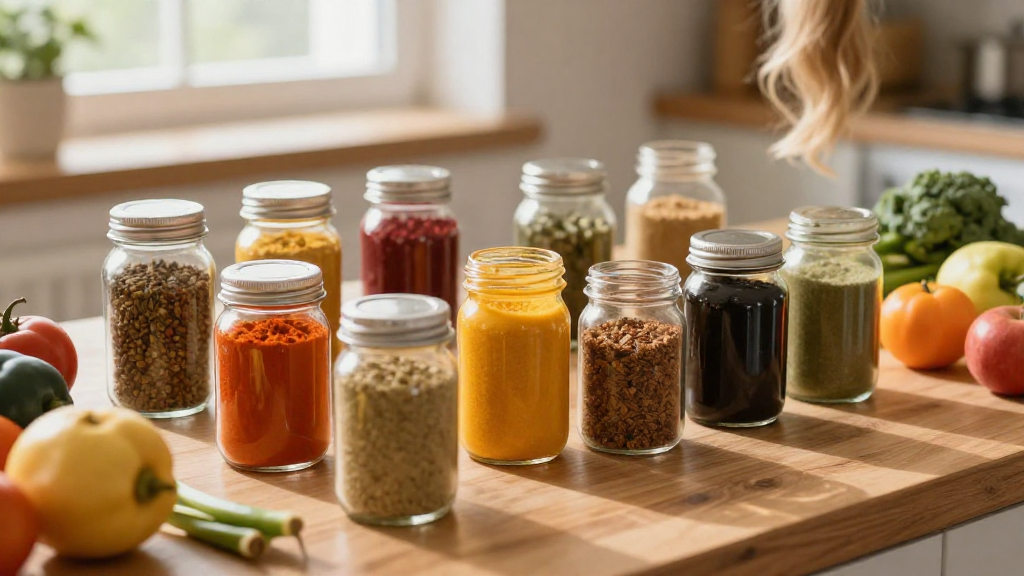
Food additives are substances added to food to enhance its flavor, appearance, texture, or shelf life.
In this article, we will explore a comprehensive food additives list, discussing commonly used additives and their purposes. By understanding these ingredients, you can make informed choices while shopping for groceries.
What is a Food Additive?
A food additive is any substance that is not typically consumed as a food on its own but is added to food to achieve specific effects.
These effects can range from improving flavor to increasing the shelf life of products.
Food additives can be natural or synthetic, and they play a pivotal role in modern food processing.
What Are Some Common Food Additives You Should Know?
Here is a concise food additives list divided into categories:
1. Preservatives
Preservatives are used to keep food from spoiling. They prevent the growth of bacteria, molds, and other microorganisms.
Common preservatives include:
- Sodium Benzoate: Often found in soft drinks and pickles, it helps prevent microbial growth.
- Potassium Sorbate: Used in cheeses, wines, and baked goods, it inhibits yeast and mold growth.
- Sulfur Dioxide: Common in dried fruits and wines, it prevents browning and preserves flavor.
2. Flavor Enhancers
Flavor enhancers are designed to intensify or improve the taste of food without adding their own flavor.
Popular flavor enhancers in the food additives list include:
- Monosodium Glutamate (MSG): Common in Asian cuisine and processed foods, it enhances savory flavors.
- Disodium Inosinate: Often combined with MSG, it is found in snack foods and sauces.
- Yeast Extract: Used in soups and seasonings, it provides a rich umami flavor.
3. Coloring Agents
Coloring agents enhance the visual appeal of food. Natural and synthetic colorings can be found on many labels.
Common coloring agents include:
- Caramel Color: Used in soft drinks, sauces, and baked goods to provide a rich brown color.
- Beet Juice Powder: A natural colorant used in various foods and beverages for a vibrant red hue.
- Tartrazine: A synthetic yellow dye often found in candies and sodas.
4. Thickening Agents
Thickening agents change the consistency of food products, making them creamier or denser.
Some common thickening agents in the food additives list are:
- Xanthan Gum: Used in salad dressings, sauces, and gluten-free baked goods for stability.
- Guar Gum: Typically found in ice creams and dairy products, it enhances creaminess.
- Pectin: A natural thickener found in fruits that is often used in jams and jellies.
5. Sweeteners
Sweeteners are added to give food and drinks sweetness. This category includes both caloric and non-caloric options.
Popular sweeteners from the food additives list include:
- Sugar: The most common sweetener found in countless food products.
- High-Fructose Corn Syrup: Used in soft drinks and snacks as a cheaper sugar substitute.
- Aspartame: A low-calorie sweetener often found in diet sodas and sugar-free foods.
Are Food Additives Safe?
Food additives are generally deemed safe by regulatory agencies, such as the FDA and EFSA, when used within established limits.
However, some people may experience sensitivities or reactions to certain additives.
Here are a few key points regarding safety:
- Testing and Approval: Most food additives undergo rigorous testing before being approved for use.
- Labeling: In many countries, food additives must be clearly stated on packaging, allowing consumers to make informed choices.
- Individual Sensitivities: It is essential to pay attention to how your body responds to certain food additives.
How Can You Identify Food Additives?
Reading food labels is crucial for anyone wanting to avoid certain ingredients.
The following tips can help you navigate food labels effectively:
- Look for E Numbers: In the EU, food additives are often listed as E-numbers. For example, E100 is Curcumin (a coloring agent), while E300 is Ascorbic Acid (Vitamin C).
- Identify by Category: Additives are often grouped in lists, making it easier to identify common types (e.g., preservatives, colorings).
- Research Unknown Ingredients: If you come across an unfamiliar ingredient, a quick online search can provide insight into its purpose and safety.
Why Are Food Additives Used?
Food additives serve a variety of purposes that enhance the overall quality and longevity of food products.
Here are several reasons why additives are commonly used in food production:
- Safety: Preservatives help ensure food is safe for consumption over extended periods.
- Quality: Additives maintain product consistency and appeal to consumers.
- Cost Efficiency: They can make production more efficient, allowing for cheaper prices for consumers.
Conclusion
Understanding the food additives list can empower you to make healthier choices when it comes to your diet.
While many food additives are deemed safe, being aware of what’s in your food allows for better decision-making.
Whether you’re looking to avoid certain ingredients due to dietary preferences, allergies, or personal beliefs, awareness is key.
By reading labels and being informed about food additives, you can enjoy your meals while being conscientious about the ingredients that fuel your body.
Incorporating this knowledge into your shopping habits and meal planning can help you lead a healthier lifestyle.
As you navigate the aisles, consider what you’ve learned regarding food additives, and choose wisely for you and your family.
If you have any specific diets or allergies, it might be helpful to consult with a nutritionist, so they can assist you in identifying the additives to avoid.
This way, you can enjoy delicious meals while ensuring you are prioritizing your health.