A good manual meat tenderizer machine can save time, improve texture, and help tougher cuts cook more evenly. For home kitchens, it’s a practical way to get better results without relying on a full electric setup.
In this roundup, we focus on durable, easy-to-use options for tenderizing steaks, cubing meat, and preparing jerky with less effort.
Best 10 Manual Meat Tenderizer Machine Picks for 2026
48-Blade Precision Tenderizing
48-Blade Stainless Steel Tenderizer
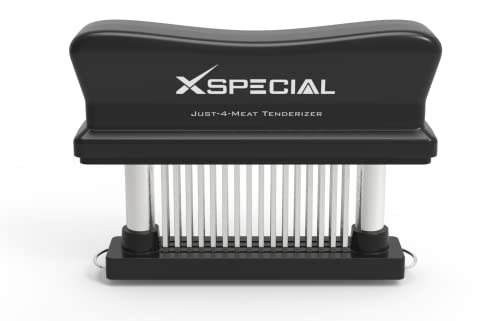
- 48 blades for even coverage
- Detachable and dishwasher safe
- Rust-resistant stainless steel build
Best For: Fast, even tenderizing with easy cleanup
Adjustable Spacing Control
COFUN Adjustable Manual Tenderizer

- Three spacing settings for flexibility
- Sharp metal spikes for efficient penetration
- Hand wash only with detachable parts
Best For: Different thicknesses and red meat cuts
High-Coverage One-Piece Design
Gourmet Easy 60-Needle Tenderizer

- 60 needles for broad coverage
- No assembly required
- Dishwasher safe and rust resistant
Best For: Quick use with minimal maintenance
Hand-Crank Cuber Style

- Hand-crank roller design
- Clamp-on countertop stability
- Good for marinade penetration
Best For: Countertop cubing and larger prep jobs
Home-Use Cuber
COFUN Manual Meat Tenderizer Tool

- Premium metal gear design for even tenderizing
- Slip-free suction base helps reduce wobble
- Easy to disassemble and hand wash
Best For: Home cooks tenderizing steaks and venison
Heavy-Duty Kitchen Cuber
Weston Meat Tenderizer Tool & Heavy Duty Cuber

- 31 stainless steel blades tenderize quickly and evenly
- Wide chute fits larger pieces up to 4.5 inches wide
- Slip-free base includes C-clamps for mounting
Best For: Large cuts, thick steaks, and cubed steak prep
Commercial-Grade Cuber
YBSVO 7" Commercial Meat Tenderizer Machine

- 40-blade rotary system for tough cuts
- 7-inch chute supports larger batch processing
- 304 stainless steel build for durability
Best For: Butchers, hunters, and high-volume kitchens
Commercial Pick
VEVOR Heavy Duty Stainless Steel Tenderizer

- 31-blade module for uniform tenderizing
- Detachable parts simplify cleaning
- Compact build suits commercial prep spaces
Best For: Restaurants, butcher shops, and serious home cooks
2-in-1 Value Pick
Manual Tenderizer and Jerky Slicer

- Two blade sets for tenderizing and slicing
- 16 tenderizing blade pairs improve texture
- Aluminum build keeps the unit heavy-duty
Best For: Users who want one compact tool for two prep tasks
Space-Saving 2-in-1
Paladin Manual Tenderizer & Jerky Slicer

- Two stainless-steel blade sets included
- Handles meat up to 0.8 inches thick
- Clamps and tongs support steadier use
Best For: Users needing a compact 2-in-1 unit for mixed meat prep
48-Blade Precision Tenderizing – 48-Blade Stainless Steel Tenderizer
If you want a manual meat tenderizer machine that balances speed, even coverage, and easy cleanup, this 48-blade stainless steel model is built for practical weeknight cooking. Its detachable design and dishwasher-safe parts make it especially appealing if you tenderize often and want a tool that stays simple to maintain.
Best For: Home cooks who want fast, even tenderizing for beef, chicken, pork, and game with minimal cleanup.
Pros:
- 48 precisely engineered blades help create even tenderizing results.
- Rust-resistant stainless steel construction is made for long-term use.
- Detachable parts rinse clean quickly and are dishwasher safe.
- Helps marinades penetrate deeper for juicier, more flavorful meat.
Cons:
- Manual press-style design may not suit buyers wanting a crank-style machine.
- Smaller tool size limits how much meat you can process in one pass.
This is a strong pick if you want a straightforward tenderizer that handles a range of meats without adding cleanup hassle. It focuses on even results and durability rather than extra adjustability.
Adjustable Spacing Control – COFUN Adjustable Manual Tenderizer
This manual meat tenderizer machine stands out if you want more control over how aggressively you work different cuts. With three adjustable spacing settings, it gives you flexibility for thin pork chops, thicker steaks, and other red meats while using sharp metal spikes to help reduce marinating time.
Best For: Cooks who want adjustable tenderizing depth for a variety of beef, pork, and lamb cuts.
Pros:
- Three spacing settings: 10 mm, 12.5 mm, and 15 mm.
- Sharp metal spikes help break down fibers efficiently.
- Detachable design makes hand cleaning easier.
- Works well for steaks, chops, BBQ skewers, and marinated dishes.
Cons:
- Not dishwasher safe, so it requires hand washing only.
- Heavier build may feel less compact than simpler handheld tools.
This is a good choice if adjustability matters more than simplicity. It offers more control than fixed-spacing tenderizers, which can be useful when you switch between different thicknesses and meat types.
High-Coverage One-Piece Design – Gourmet Easy 60-Needle Tenderizer
If you want a manual meat tenderizer machine that is ready to use immediately and keeps maintenance simple, this one-piece stainless steel model is a practical option. Its 60 ultra-sharp needles cover more area per press than standard 48-needle designs, making it a strong fit for regular prep of steak, pork, beef, and chicken.
Best For: Home cooks who want a ready-to-use, low-maintenance tenderizer with broad needle coverage.
Pros:
- One-piece design means no assembly or loose parts.
- 60 sharp stainless steel needles provide wide coverage per press.
- Dishwasher safe for easier cleanup after use.
- 304 stainless steel construction is rust resistant and backed by a 5-year warranty.
Cons:
- Press-style design may not offer the same control as adjustable models.
- Compact footprint means it is best for smaller batches at a time.
This model is a solid fit if you value convenience and coverage. It leans into simplicity, durability, and easy cleaning rather than added mechanical features.
Hand-Crank Cuber Style – Manual Meat Tenderizer Cuber
This manual meat tenderizer machine takes a different approach from press-style tools by using a hand-crank cuber design with spike rollers. If you want a countertop option that helps puncture meat for better marinade and sauce penetration without pounding, this clamp-on model is geared toward efficient, repeatable prep.
Best For: Users who want a clamp-on, crank-operated tenderizer for larger prep sessions and cube-style results.
Pros:
- Hand-crank operation avoids pounding or hammering.
- Two spike rollers help improve texture and flavor absorption.
- Clamp-on design attaches securely to tables or countertops.
- Compact, space-saving form is easier to store than larger machines.
Cons:
- Only handles meat pieces up to 1/2 inch thick and 4 3/4 inches long.
- Requires a suitable countertop or table edge for clamping.
- Bulkier than handheld tenderizers if you only prep small amounts.
This is the most machine-like option in the group, and it makes sense for cooks who want a more hands-on countertop setup. It is best chosen for its secure attachment and roller-based tenderizing rather than portability.
Home-Use Cuber – COFUN Manual Meat Tenderizer Tool
If you want a manual meat tenderizer machine for everyday steak nights, this COFUN model is built for straightforward tenderizing and cubing at home. Its stainless steel gear design is meant to deliver even blade penetration, while the suction base helps keep the unit steady on smooth surfaces.
Best For: Home cooks who want a sturdy manual cuber for steaks and other tougher cuts.
Pros:
- Premium metal construction with a durable gear design
- Slip-free suction base adds stability during use
- Disassembles easily for cleaning after use
- Designed to tenderize steaks, venison, and similar cuts evenly
Cons:
- Not suitable for softer meats like fish or poultry
- Hand wash only; not dishwasher safe
Overall, this is a practical manual option if you want dependable tenderizing without extra complexity. It focuses on stability, simple setup, and consistent results for tougher meats.
Heavy-Duty Kitchen Cuber – Weston Meat Tenderizer Tool & Heavy Duty Cuber
This manual meat tenderizer machine is geared toward larger cuts and more frequent use, with a wide chute and 31 blades that tenderize quickly and evenly. The Weston model also works well when you want to create cubed steaks, since running meat through again in a different direction can improve the cubing effect.
Best For: Cooks who want a larger-capacity manual cuber for thick steaks, pork cutlets, and tougher cuts.
Pros:
- 31 large-diameter stainless steel blades for even tenderizing
- Fits meat up to 4.5" wide and .75" thick
- Slip-free base can mount with included C-clamps
- Cast aluminum construction with food-grade coating
Cons:
- Heavier unit at 9.9 pounds
- Hand wash only
If you need more capacity than a basic hand tool, this Weston unit offers a solid step up. It balances practical home use with a more robust build and a wider feed opening.
Commercial-Grade Cuber – YBSVO 7" Commercial Meat Tenderizer Machine
For buyers seeking a manual meat tenderizer machine with commercial-level capacity, this YBSVO model is designed for high-volume work. Its 40-blade rotary system, extra-wide feed chute, and stainless steel body make it a strong fit for butchers, hunters, and serious kitchens handling tougher cuts.
Best For: High-volume tenderizing of brisket, venison, flank steak, and other tough cuts.
Pros:
- 40 sharp stainless steel blades for aggressive tenderizing
- 7-inch wide feed chute handles larger cuts efficiently
- 304 stainless steel construction resists rust and supports durability
- Detachable comb system helps reduce jamming and simplifies cleaning
Cons:
- More machine than most casual home kitchens need
- Hand wash recommended to preserve blade sharpness
This is the most heavy-duty option in the group, especially if you process meat in larger batches. It prioritizes speed, capacity, and sanitary maintenance over compact convenience.
Commercial Pick – VEVOR Heavy Duty Stainless Steel Tenderizer
If you want a manual meat tenderizer machine for regular prep work, this VEVOR model focuses on speed, consistency, and straightforward manual operation. Its 31-blade module, 0.26-inch comb spacing, and stainless steel gears are aimed at quicker, more even tenderizing for meats like beef, chicken, pork, turkey, steak, and fish.
Best For: Commercial kitchens or home cooks who want a compact, heavy-duty tenderizer with fast, uniform results.
Pros:
- 31 blades for uniform cutting and efficient tenderizing
- 420 stainless steel gears are wear-resistant and anti-corrosive
- Detachable structure makes cleaning and maintenance easier
- Compact design works well in restaurants, cafeterias, butcher shops, and similar spaces
Cons:
- Manual operation may be slower than electric alternatives
- Primarily built for tenderizing rather than multi-function use
Overall, this is a practical manual meat tenderizer machine if you value dependable build quality and efficient tenderizing in a space-saving format. The safety-focused design and easy-clean parts also make it a strong fit for busy prep environments.
2-in-1 Value Pick – Manual Tenderizer and Jerky Slicer
This manual meat tenderizer machine is designed for people who want two prep tools in one. It includes separate blade sets for tenderizing and jerky slicing, so you can soften meat for better seasoning penetration or quickly slice meat with the same countertop unit.
Best For: Buyers who want a compact 2-in-1 manual tool for both tenderizing and jerky slicing.
Pros:
- Two functions in one unit save money and space
- 16 pairs of tenderizing blades help improve meat texture
- 31 stainless steel slicing blades handle jerky slicing quickly
- Manual, heavy-duty design with aluminum construction
Cons:
- Hand wash only, so cleanup is not fully hands-off
- Best suited for users who actually need both functions
For buyers comparing manual meat tenderizer machines, this one stands out for versatility more than specialty focus. If you want a simple way to tenderize meat and slice jerky without buying two separate tools, it is an efficient option.
Space-Saving 2-in-1 – Paladin Manual Tenderizer & Jerky Slicer
For shoppers looking for a manual meat tenderizer machine that also slices jerky, this Paladin model combines two stainless-steel blade sets in one countertop appliance. It is built for beef, chicken, venison, and other meats up to 0.8 inches thick and 4 inches wide, with clamps included to help secure the base during use.
Best For: Home or commercial users who need a compact 2-in-1 tenderizer and slicer for a variety of meats.
Pros:
- Includes separate blade sets for tenderizing and slicing
- Works with meats up to 0.8 inches thick and 4 inches wide
- Clamps and tongs are included for more stable handling
- Hand-wash cleanup is simple with warm, soapy water
Cons:
- Cannot be used with frozen meat, bones, or other hard items
- Larger footprint than some compact manual models
This is a solid choice if you want 2-in-1 functionality and a machine that can handle a range of meats without taking up too much counter space. The included clamps and easy cleanup add practical value for regular use.
How We Picked the Best Manual Meat Tenderizer Machine
We looked for Manual Meat Tenderizer Machine options that balance cutting performance, build quality, and usability. Priority went to models with stainless steel blades or gears, stable hand-crank or press-style operation, safety features like covers or guards, and sizes suited to common kitchen tasks. We also considered whether a model is better for tenderizing only or for multi-use cutting and cubing.
Quick Comparison
If you want simple surface tenderizing, blade-style tools are usually faster and easier to store. If you need to break down thicker cuts, flatten meat, or prepare jerky, a hand-crank cuber or slicer is the better fit. Commercial-style models typically handle larger volumes and wider cuts, while compact tools are better for occasional home use.
Key Buying Factors for a Manual Meat Tenderizer Machine
Blade Style and Cutting Action
Needle-style tenderizers create channels that help marinades penetrate and reduce chewiness. Cuber and roller-style machines alter the meat’s structure more aggressively, which is useful for steaks, cutlets, and jerky prep. Match the blade type to the texture you want, not just the amount of force you want to apply.
Capacity and Cut Size
Check the maximum width and thickness the unit can handle. A wider feed is important for larger steaks, while smaller countertop tools are fine for everyday family meals. If you plan to process multiple cuts back-to-back, look for a stable base and a design that is easy to keep moving.
Materials and Maintenance
Stainless steel is generally the best choice for corrosion resistance and long-term durability. Detachable parts make cleaning easier, which matters after handling raw meat. A protective cover or enclosed mechanism adds convenience and helps reduce accidental contact with blades.
Ease of Use
Manual operation should feel smooth and controlled. A comfortable crank, clear spacing adjustment, or one-piece design can make a big difference in day-to-day use. If you want minimal setup, prioritize tools that are ready to use out of the box.
Who Should Buy Which Manual Meat Tenderizer Machine?
Choose a blade-style tenderizer if you cook smaller portions and want a fast, low-effort way to improve texture. Choose a heavy-duty cuber if you often work with tougher beef, pork, or venison and want a more dramatic result. Choose a 2-in-1 Manual Meat Tenderizer Machine if you also make jerky or want a more versatile tool for mixed kitchen tasks.
For most buyers, the best option is the one that matches how often you cook, how much meat you process at once, and whether your priority is tenderizing, flattening, or slicing.