Freshly milled flour can add flavor and flexibility to home baking, but a good grain mill does not need to cost hundreds of dollars. This roundup compares 10 budget-friendly options, including compact electric grinders, hand-crank mills, and KitchenAid attachments.
The right choice depends on what you mill most, how often you use it, and whether you value speed, capacity, control, or easy storage.
Best 10 Grain Mills Under 100 Picks for 2026
Fast-Batch Pick
150g High-Speed Electric Grain Grinder
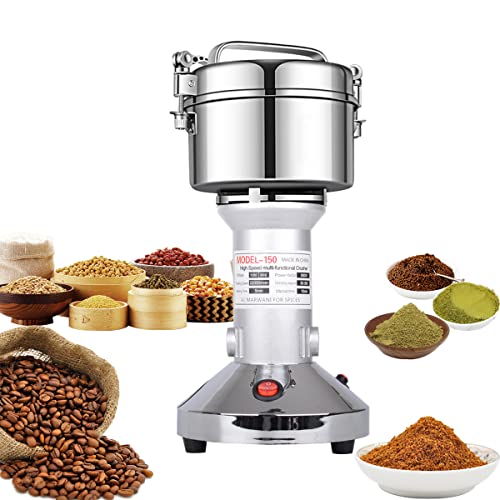
- 900W motor with 22,000 RPM operation
- Grinds dry grains, spices, herbs, and seeds
- 50–300 mesh range with overload protection
Best For: Small, quick batches of dry ingredients
Stand-Mixer Upgrade
All-Metal KitchenAid Grain Mill Attachment

- Nine adjustable settings from coarse to fine
- All-metal die-cast aluminum construction
- Designed for dry, low-moisture grains
Best For: KitchenAid owners milling fresh flour at home
Manual Milling Value

- Large 2,400g hopper for manual batches
- Cast-iron body with adjustable grinding screw
- Clamps to tables and handles varied ingredients
Best For: Electricity-free coarse grinding and versatile food preparation
Large-Capacity Power Pick
550g Stainless Steel Grain Mill

- 550g capacity for larger household batches
- 2,000W motor reaches 28,000 RPM
- 70–300 mesh range with overload protection
Best For: Fast, larger-batch grinding of dry grains and spices
Best Manual Value
Cast Iron Hand-Crank Grain Mill

- Heavy-duty cast iron body
- Table clamp for stable grinding
- 7.5-pound capacity for home batches
Best For: Manual grinding of corn, wheat, oats, and brewing grains
Best Electric Power
VEVOR High-Speed Grain Grinder

- 2100-watt, 28,000-RPM motor
- Timed 5-, 15-, and 30-second controls
- 30-to-300-mesh grinding range
Best For: Fast grinding of dry grains, spices, coffee, and cereals
Best Mixer Attachment
KitchenAid Grain Mill Attachment

- Fits all KitchenAid stand mixers
- Nine adjustable grind levels
- Up to 10 cups per session
Best For: KitchenAid owners grinding dry grains and coffee beans
Best with Extra Features

- Manual, electricity-free grinding
- Adjustable texture control
- Cast-iron body with table clamp
Best For: Small-batch, hands-on grinding
Best Electric Speed
Yaofafa 150g Electric Grain Mill

- 850W motor with 28,000 RPM speed
- 30–300 mesh grinding range
- Safety lock and overload protection
Best For: Fast, small batches of dry ingredients
Best Compact Manual-Electric Option
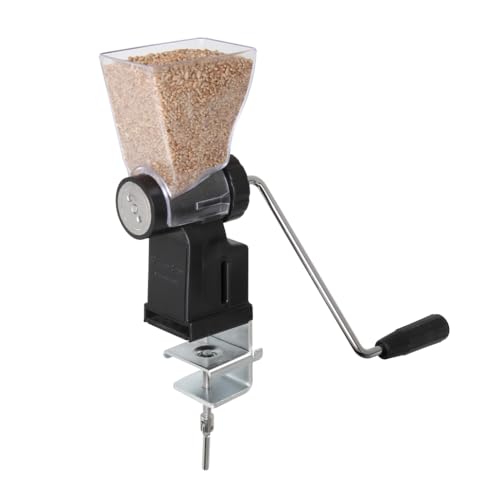
- Stainless-steel burrs for varied grains
- Coarse-to-fine adjustment dial
- Optional electric motor compatibility
Best For: Compact countertop grinding with upgrade flexibility
Fast-Batch Pick – 150g High-Speed Electric Grain Grinder
For shoppers comparing grain mills under 100, this compact 900W electric grinder is built for quick batches of dry grains, spices, herbs, and other low-moisture ingredients. Its 150g capacity and high-speed triple-blade system can produce textures ranging from 50 to 300 mesh, but it requires cooling breaks between uses.
Best For: Home cooks who need fast, small-batch grinding of dry grains, flour ingredients, spices, and herbs.
Pros:
- 900W motor and 22,000 RPM speed support quick grinding.
- Compact 150g capacity suits small kitchen batches.
- Stainless steel construction, overload shutoff, and lid-lock safety features.
- Adjustable fineness range from coarse powder to very fine textures.
Cons:
- Only suitable for dry ingredients; wet, moist, or oily foods should not be used.
- Recommended operation is limited to three minutes followed by a five-to-10-minute rest.
- The grinding chamber should be wiped or brushed rather than rinsed directly with water.
This model is a practical choice when speed and versatility matter more than batch size. Its operating limits and dry-only design make it better for occasional kitchen grinding than continuous milling.
Stand-Mixer Upgrade – All-Metal KitchenAid Grain Mill Attachment
Among grain mills under 100, this attachment is a space-saving option for KitchenAid stand-mixer owners who want freshly ground flour without adding a separate motorized appliance. It handles dry, low-moisture grains such as wheat, oats, corn, millet, and similar ingredients across nine grind settings.
Best For: KitchenAid owners who want adjustable flour textures from coarse to fine using their existing mixer.
Pros:
- All-metal die-cast aluminum construction supports durable food-contact use.
- Nine grind settings provide control over flour texture.
- Works with dry grains including wheat, oats, corn, millet, and barley.
- Removable design and included cleaning tool simplify maintenance.
Cons:
- Designed for KitchenAid stand mixers rather than standalone operation.
- Not recommended for high-oil ingredients such as nuts or sesame seeds.
- Extended batches may warm the mixer and require 30-to-45-minute cooling breaks.
This attachment makes the most sense for households already equipped with a compatible KitchenAid mixer. Its nine settings offer useful versatility, while the grain and cooling restrictions should be considered before planning large batches.
Manual Milling Value – Victoria Cast Iron Grain Mill
This Victoria manual mill is a durable alternative for shoppers seeking grain mills under 100 without a motor or electrical connection. Its cast-iron body, 2,400g hopper capacity, table clamp, and adjustable screw make it suitable for hand-cranking grains and a broad range of other foods.
Best For: Users who prefer manual control for corn, barley, grains, coffee, spices, seeds, and other kitchen ingredients.
Pros:
- Heavy-duty cast-iron construction with double tin plating.
- Large 2,400g capacity supports bigger manual batches.
- Adjustable screw changes the coarseness and fineness of the grind.
- Clamps to tables from 1/2 to two inches thick and includes a non-slip protector.
Cons:
- Manual cranking requires more effort than an electric mill.
- Cannot produce a superfine texture or fine whole-wheat powder.
- Its 90-day limited manufacturer warranty is relatively short.
Choose this mill for traditional, electricity-free grinding and strong physical construction rather than maximum fineness. It is especially useful for coarse milling and varied food preparation where a hand-crank design is acceptable.
Large-Capacity Power Pick – 550g Stainless Steel Grain Mill
For shoppers comparing grain mills under 100, this 550g stainless steel electric model is aimed at larger household batches and rapid results. Its 2,000W motor, 28,000 RPM speed, triple-blade design, and stated 70-to-300-mesh range cover everything from cracked grains to fine flour, provided ingredients remain dry.
Best For: Home users who want high-speed, larger-batch grinding for dry wheat, corn, rice, coffee, spices, and similar ingredients.
Pros:
- 550g capacity is substantially larger than small countertop grinders.
- 2,000W motor and 28,000 RPM speed support rapid grinding.
- 304 stainless steel chamber and blades resist odors and avoid plastic contact with ingredients.
- Overload protection, lid-lock startup, and non-slip base add practical safety features.
Cons:
- Ingredients should remain dry, and the chamber should not be filled beyond two-thirds.
- The motor needs cooling rests after grinding sessions.
- Its tall, upright design may require more vertical storage space.
This is the strongest fit for buyers prioritizing capacity and speed in a compact electric format. The stainless steel build and safety controls are useful for frequent home use, while the cooling and fill-level requirements still call for batch discipline.
Best Manual Value – Cast Iron Hand-Crank Grain Mill
For shoppers comparing grain mills under 100, this manual cast iron grinder offers a straightforward way to process corn, wheat, oats, and brewing grains without electricity. Its table clamp and 7.5-pound capacity make it suited to stationary home use.
Best For: Home users who want a heavy-duty, manually operated grain mill for small-batch grinding.
Pros:
- Heavy-duty cast iron construction
- Table clamp supports stable operation
- Works with corn, wheat, oats, and brewing grains
- Large 7.5-pound capacity
Cons:
- Manual cranking requires physical effort
- At 7.5 pounds, it is less convenient to move frequently
This is a practical choice when durability and manual control matter more than speed or portability. It is best for buyers comfortable with hand-powered grinding and a dedicated setup.
Best Electric Power – VEVOR High-Speed Grain Grinder
Among grain mills under 100, this VEVOR electric grinder stands out for high-speed processing and timed controls. Its 2100-watt motor is designed for dry grains, spices, cereals, coffee, corn, and pepper, with adjustable grinding fineness.
Best For: Users who need fast, fine grinding of dry ingredients and prefer an electric countertop machine.
Pros:
- Powerful 2100-watt motor running at 28,000 RPM
- Timed settings of 5, 15, and 30 seconds
- Adjustable fineness from 30 to 300 mesh
- Stainless-steel housing and triple-blade design
Cons:
- Not suitable for wet, oily, or sticky ingredients
- Requires rest periods after continuous operation
- Its 1.8-pound capacity may require multiple batches
The VEVOR is the better fit for speed and powder-like results, but its dry-ingredient limitation and required cooling breaks should be considered before buying.
Best Mixer Attachment – KitchenAid Grain Mill Attachment
For KitchenAid owners shopping for grain mills under 100, this attachment adds fresh-flour grinding without requiring a separate countertop appliance. It offers nine grind levels for dry grains and coffee beans and connects to the mixer’s power hub without tools.
Best For: KitchenAid users who want adjustable fresh-flour grinding while saving countertop space.
Pros:
- Fits all KitchenAid stand mixer models
- Nine settings range from coarse to ultra-fine
- Food-grade die-cast aluminum alloy construction
- Handles up to 10 cups per grinding session
Cons:
- Only intended for dry, non-oily grains and coffee beans
- Should not be rinsed or placed in a dishwasher
- Requires a 45-minute mixer cooling period between batches
This attachment makes the most sense for existing KitchenAid owners who value compact storage and grind adjustment. It is less suitable for frequent back-to-back batches because of the recommended cooling period.
Best with Extra Features – VEVOR Hand-Crank Grain Mill
For shoppers comparing grain mills under 100, this VEVOR manual model is a practical choice for small batches when you want grinding without electricity. Its cast-iron body, adjustable fineness, table clamp, and dust cover make it suited to hands-on kitchen preparation.
Best For: Small-batch grinding of grains, corn, spices, coffee beans, and nuts without relying on power.
Pros:
- Manual operation helps avoid heat buildup while preserving aroma and nutrients.
- Adjustable grinding disc supports textures from coarser meal to finer results.
- Stable clamp fits tables 0.79–1.58 inches thick and includes a dust cover.
- Powder-coated cast-iron construction is designed to resist rust and wear.
Cons:
- Hand-crank operation requires more effort than an electric mill.
- The low hopper is intended for smaller batches.
- It weighs 7.1 pounds, making it less portable than lightweight models.
The VEVOR stands out among grain mills under 100 for buyers who prioritize durable construction and manual control. Choose it when a secure countertop setup matters more than speed or high-volume processing.
Best Electric Speed – Yaofafa 150g Electric Grain Mill
Among grain mills under 100, this compact electric grinder is geared toward fast small-batch work. Its 850W motor, 28,000 RPM speed, stainless-steel construction, and 30–300 mesh range make it useful for dry grains and other ingredients when convenience is the priority.
Best For: Quick small batches of dry wheat, corn, rice, coffee, spices, and similar ingredients at home or in light commercial prep.
Pros:
- High-speed 850W motor can process dry ingredients quickly.
- Three-layer blades and adjustable mesh range support coarse through fine textures.
- Safety lock and overload protection add operational safeguards.
- Stainless-steel body is durable and relatively easy to clean with a brush or wipe.
Cons:
- The 150g capacity limits each batch.
- Short cycles of up to 3 minutes require 5–10 minute rest periods.
- It is designed for dry ingredients and should not be used with wet or oily materials.
This Yaofafa model is a strong fit if you want speed and fine-grinding flexibility in a compact unit. Its duty-cycle limits and small chamber make it better for repeated small batches than continuous, high-volume milling.
Best Compact Manual-Electric Option – Kitchen Crop Hand-Crank Mill
Kitchen Crop Hand Crank Grain Mill Wheat Flour Grinder, Stainless Steel Metal Burrs (The Grain Mill)
Check Price On AmazonFor buyers seeking grain mills under 100 with a compact footprint, the Kitchen Crop hand-crank mill offers adjustable grinding and broad dry-grain compatibility. It includes a countertop clamp and can accept an optional electric drive motor, giving you a path to powered operation later.
Best For: Compact countertop grinding of dry, non-oily grains and seeds, with the option to add electric drive capability.
Pros:
- Stainless-steel burrs handle wheat, rice, oats, barley, rye, corn, beans, and more.
- Adjustment dial provides textures from cracked grains to bread-quality flour.
- Lightweight design weighs less than 3 pounds for easy storage and transport.
- Clamp secures to counters and tables up to 2 inches thick; backed by a 5-year warranty.
Cons:
- The optional electric drive motor is sold separately.
- It is intended for dry, non-oily grains and seeds.
- Manual grinding may be slower or more labor-intensive than using a powered mill.
The Kitchen Crop is appealing when storage space and flexibility matter. It provides manual control now while leaving room for a future motor upgrade, though that upgrade adds cost beyond the mill itself.
How We Picked the Best Grain Mills Under 100
We focused on the features that matter most at this price: milling method, stated capacity, motor power or manual leverage, construction, adjustability, cleanup, and likely countertop footprint. The selection includes electric blade-style grinders for quick small batches, cast-iron hand mills for slower but more controlled grinding, and attachments designed to use an existing KitchenAid stand mixer.
Because specifications and included accessories can vary by seller, verify the current listing before buying. Pay particular attention to whether a model is intended for dry grains only and whether the hopper, clamp, or collection container is included.
Quick Comparison
| Type | Best For | Main Advantage | Trade-Off |
|---|---|---|---|
| Compact electric grinder | Small flour or spice batches | Fast and easy to store | Often limited to short batches and less texture control |
| High-capacity electric mill | Frequent larger batches | Speed and throughput | Bulkier, louder, and more demanding to clean |
| Manual cast-iron mill | Off-grid use or occasional grinding | No electricity required | Requires physical effort and secure mounting |
| KitchenAid attachment | Existing stand-mixer owners | Uses equipment already on the counter | Depends on mixer compatibility and available power |
Key Buying Factors for Grain Mills Under 100
Electric Versus Manual Operation
Electric grinders are the practical choice when speed matters or when you regularly process several cups at once. Manual mills are quieter and work without power, but grinding takes longer and can become tiring. A hand-crank model is most useful when durability, portability, or emergency preparedness matters more than convenience.
Capacity and Batch Size
Small 150g models suit spices, seeds, and occasional flour for one or two recipes. Models advertising roughly 550g or more are better for larger batches, although capacity does not guarantee that the machine should run continuously. Follow the manufacturer’s duty-cycle guidance to avoid overheating.
Grinding Control and Material
Look for adjustable settings or burrs when you need a particular flour texture. Blade-style machines can be fast and versatile, but they may produce less uniform results. Stainless steel components are generally easier to maintain, while cast iron offers weight and stability but may need drying and occasional seasoning to help prevent rust.
Compatibility, Cleaning, and Stability
For a KitchenAid attachment, confirm the mixer model and connection system before ordering. For countertop machines, check clearance, cord placement, and container access. Manual mills should have a reliable clamp or mounting base; movement during use makes grinding slower and less safe. Never wash electrical components unless the instructions specifically allow it.
Who Should Buy Which Grain Mills Under 100?
Choose a compact electric grinder if you want the simplest option for small amounts of flour, spices, or seeds. Select a higher-capacity electric model if you bake frequently and prioritize speed, but allow room for noise and cleanup. A Victoria, VEVOR, or other heavy cast-iron manual mill is better for users who want a sturdy, power-free tool and do not mind turning a crank. If you already own a compatible KitchenAid mixer, an attachment can provide a space-saving way to start milling without adding a separate motorized appliance.