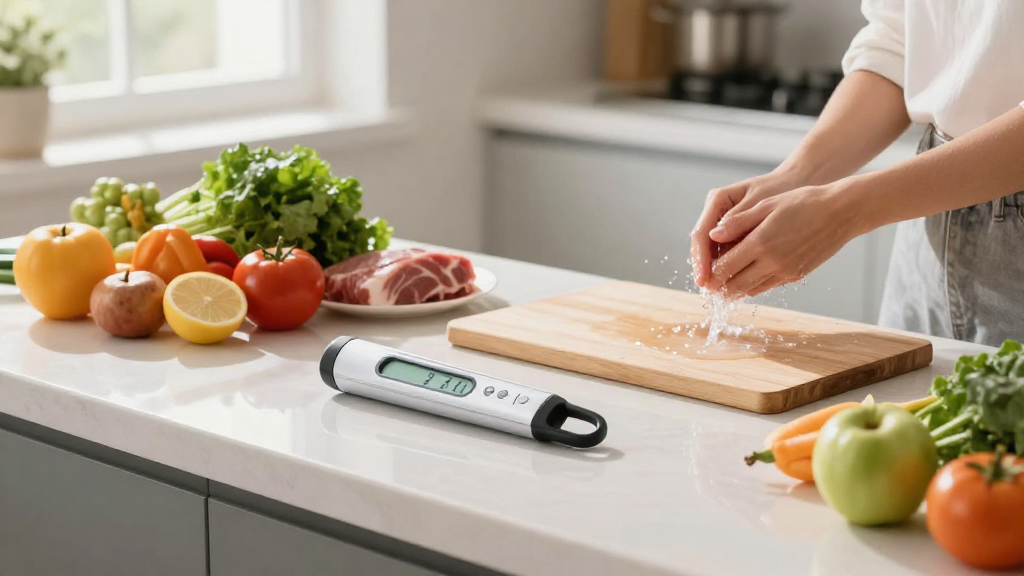
Food safety standards are essential for ensuring the health and well-being of consumers.
These guidelines help prevent foodborne illnesses and promote safe food practices in commercial settings and homes alike.
In this article, we will delve into the standard food safety guidelines that everyone should know.
What Are Food Safety Standards?
Food safety standards are a set of regulations and best practices designed to ensure that food is safe for consumption.
They address various aspects of food handling, preparation, and storage to minimize the risk of contamination.
These standards are established by national and international organizations, including:
- The Food and Drug Administration (FDA)
- The United States Department of Agriculture (USDA)
- The World Health Organization (WHO)
- The European Food Safety Authority (EFSA)
Understanding these food safety standards can help individuals and businesses create a safer food environment.
Why Are Food Safety Standards Important?
Food safety standards are vital for several reasons:
-
Preventing Foodborne Illness:
Foodborne illnesses affect millions of people each year.
Adhering to food safety standards significantly reduces these risks. -
Consumer Confidence:
Ensuring food safety fosters trust between consumers and food providers.
When customers know that businesses follow strict safety regulations, they are more likely to purchase their products. -
Legal Protection:
Following established food safety guidelines can protect businesses from legal consequences.
Failure to adhere to these standards may result in fines, lawsuits, and loss of reputation.
What Are the Basic Food Safety Guidelines?
How Can You Ensure Proper Hygiene?
One of the foundational food safety standards revolves around personal hygiene.
Maintaining cleanliness is key in preventing contamination. Here are essential hygiene practices to adopt:
-
Wash Hands Frequently:
Always wash hands with soap and water for at least 20 seconds before handling food and after using the restroom. -
Wear Clean Clothing:
Avoid wearing dirty clothes when cooking or preparing food to prevent transferring bacteria. -
Avoid Touching Your Face:
Refrain from touching your face, hair, or any surfaces that may be contaminated while preparing food.
Tip: Always keep nails short and clean to avoid harboring bacteria.
What Are the Guidelines for Safe Food Storage?
Proper food storage is another critical component of food safety standards.
Here are standard practices to ensure food is stored safely:
-
Refrigeration:
Store perishable items in the refrigerator at temperatures below 40°F (4°C).
Ensure your fridge is set to the correct temperature with a thermometer. -
Freezing:
Keep your freezer at 0°F (-18°C) for long-term food preservation.
Use airtight containers or freezer bags to prevent freezer burn. -
Labeling:
Always label your food with the date of preparation or purchase to keep track of freshness.
Important: Consume or discard food before its expiration date to avoid foodborne illnesses.
How Should Food Be Prepared Safely?
Cooking food to the proper temperature is crucial for eliminating harmful germs.
Here are some standard guidelines for food preparation:
-
Use a Food Thermometer:
Always use a food thermometer to check the internal temperature of cooked food.
Here are some safe cooking temperatures: -
Poultry: 165°F (74°C)
- Ground meats: 160°F (71°C)
-
Seafood: 145°F (63°C)
-
Prevent Cross-Contamination:
Use separate cutting boards and utensils for raw meat and other foods.
Clean surfaces and utensils with hot, soapy water after use. -
Thawing:
Never leave food out at room temperature to thaw.
Instead, thaw food in the refrigerator, under cold running water, or in the microwave.
What Are the Guidelines for Serving Food?
Food service also has specific food safety standards to follow.
Here’s how to ensure that food is served safely:
-
Keep Hot Foods Hot:
Maintain hot foods at a temperature above 140°F (60°C) to prevent bacterial growth. -
Serve Cold Foods Cold:
Keep cold foods at or below 40°F (4°C), using ice if necessary to keep dishes cool. -
Follow Proper Serving Techniques:
Always use sanitized utensils and serving dishes to avoid contamination during servings.
What Should Be Done in Case of Food Recalls?
Food recalls are situations where consumers are advised to remove potentially dangerous food products from circulation.
Here’s what to do if a recall occurs:
-
Stay Informed:
Regularly check food safety websites or news outlets for updates on recalls. -
Check Your Pantry:
If a product you purchased is recalled, make sure to check your pantry for the specific item. -
Follow Recall Instructions:
Pay attention to specific instructions on how to dispose of the item or return it for a refund.
How Can Businesses Ensure Compliance with Food Safety Standards?
For businesses, compliance with food safety standards involves comprehensive training and regular assessments.
Here are some strategies to ensure compliance:
-
Staff Training:
Provide ongoing food safety training to all employees, emphasizing the importance of hygiene and safe food handling. -
Regular Inspections:
Conduct internal audits and inspections to ensure compliance with safety standards. -
Keep Documentation:
Maintain records of food safety practices to demonstrate compliance during external audits or inspections.
Conclusion: Why Adhere to Food Safety Standards?
Food safety standards are a vital part of both public health and the food industry.
By adhering to these guidelines, individuals and businesses can significantly reduce the risk of foodborne illnesses, build consumer trust, and ensure compliance with regulations.
Ultimately, understanding and implementing standard food safety guidelines protects both consumers and the reputation of food establishments.
By following these practices, we can contribute to a safer and healthier food supply for everyone.
For further resources on food safety standards, explore useful links such as FDA Food Safety and USDA Food Safety.