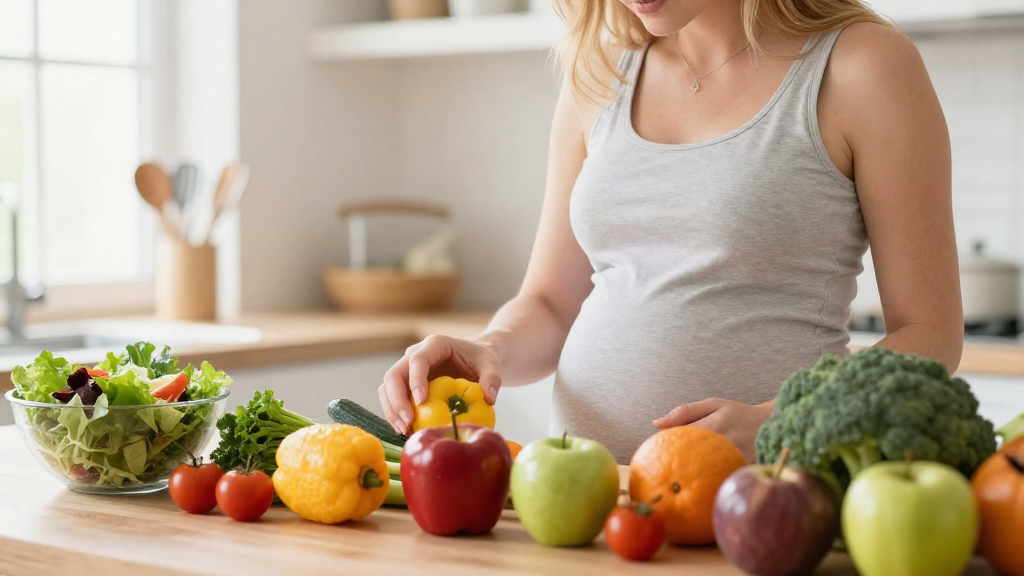
Ensuring food safety during pregnancy is essential for the health of both the mother and the developing baby.
Why is Food Safety During Pregnancy Important?
Food safety during pregnancy is critical as a mother’s diet directly affects her baby’s health.
Consuming contaminated or unsafe foods can lead to:
- Foodborne illnesses, which may cause severe complications.
- Nutritional deficiencies that could impact fetal development.
- Premature labor or even miscarriage in severe cases.
The stakes are higher because certain pathogens can seriously affect pregnancy outcomes.
Here, we will guide you through key practices to ensure food safety during pregnancy.
What Foods Should You Avoid During Pregnancy?
Being aware of which foods to avoid is crucial for food safety during pregnancy. Some foods are more likely to harbor harmful bacteria or toxins. These include:
-
Undercooked or Raw Foods
– Eggs: Make sure they are well-cooked.
– Meat: Avoid raw or rare meats, including sushi made from raw fish.
– Seafood: Steer clear of raw shellfish. -
Unpasteurized Dairy Products
– Unpasteurized milk and cheese can contain listeria, which is especially dangerous during pregnancy. -
Certain Fish
– Limit fish high in mercury, like shark, swordfish, and king mackerel.
– Opt for safer choices like salmon, tilapia, and sardines. -
Deli Meats and Hot Dogs
– Ensure these are heated to steaming to kill any potential listeria. -
Raw Sprouts
– These can harbor harmful bacteria. It’s better to avoid them altogether. -
Processed Foods
– Many convenience foods contain additives and preservatives that might not be safe during pregnancy.
By avoiding these potentially harmful foods, you can significantly enhance food safety during pregnancy.
How Can You Prepare Food Safely?
Preparation is key to maintaining food safety during pregnancy. Follow these practices to minimize risks:
-
Wash Your Hands Thoroughly
– Always wash your hands with soap and water before handling food.
– Use separate cutting boards for meats and vegetables to prevent cross-contamination. -
Cook Foods to Safe Temperatures
– Use a meat thermometer to ensure meats are cooked to the recommended temperatures:- Poultry: 165°F
- Ground meats: 160°F
- Fish: 145°F
-
Refrigerate or Freeze Leftovers Promptly
– Do not leave leftovers out for more than two hours at room temperature.
– Store them in airtight containers to prevent bacteria growth. -
Rinse Fruits and Vegetables
– Thoroughly wash all produce, even those with peels. -
Avoid Buffets and Salad Bars
– Foods in these settings may be left at unsafe temperatures and are more prone to bacterial growth.
Using these safe food preparation methods can greatly improve food safety during pregnancy.
What Role Does Nutrition Play in Food Safety During Pregnancy?
Nutrition is an integral part of food safety during pregnancy because what you consume directly impacts both you and your baby.
It’s not just about avoiding certain foods; it’s about choosing nutrient-rich options to foster a healthy development.
Key Nutrients Important During Pregnancy
-
Folic Acid
– Crucial for fetal brain and spinal cord development. Sources include:- Leafy greens
- Fortified cereals
-
Iron
– Necessary for increased blood volume and fetal growth. Found in:- Lean meats
- Beans
- Spinach
-
Calcium
– Important for the development of bones and teeth. Good sources are:- Dairy products
- Almonds
- Broccoli
-
Omega-3 Fatty Acids
– Essential for fetal brain development, particularly found in:- Fatty fish
- Chia seeds
-
Protein
– The building block for growth. Include sources like:- Eggs
- Poultry
- Lentils
Ensuring a well-balanced diet filled with these essential nutrients will help enhance food safety during pregnancy and support a healthy pregnancy.
How Can You Manage Cravings Safely?
Pregnancy cravings can lead to the consumption of foods that may not align with food safety during pregnancy.
Here are some tips to manage those cravings while prioritizing safety:
-
Substitute Wisely
– If you crave sushi, try vegetarian rolls or tempura.
– For a sweet tooth, opt for fruit instead of unpasteurized cheeses. -
Stay Hydrated
– Sometimes cravings are due to dehydration. Ensure you drink enough water throughout the day. -
Mindful Eating
– Take the time to satisfy cravings in moderation, ensuring what you consume adheres to food safety guidelines. -
Explore Healthy Alternatives
– Try making healthier homemade versions of your favorite guilty pleasures to avoid unhealthy additives.
By managing cravings wisely, you can ensure food safety during pregnancy without sacrificing satisfaction.
What Resources Can Help Navigate Food Safety During Pregnancy?
Proper education and resources can play a significant role in ensuring food safety during pregnancy.
Consider the following:
-
Consult Your Healthcare Provider
– Always get personalized dietary advice from a trusted healthcare professional. -
Use Reliable Websites
– Resources such as the Centers for Disease Control and Prevention (CDC) and the Food and Drug Administration (FDA) offer valuable information. -
Attend Nutrition Workshops
– Many hospitals and community centers offer classes that focus on pregnancy nutrition and food safety. -
Consider a Dietitian
– A registered dietitian can help create a customized meal plan based on your personal needs.
Using reliable resources can help you navigate through your pregnancy, ensuring food safety during this critical time.
Conclusion
Ensuring food safety during pregnancy is not just about avoiding certain foods but embracing a holistic approach to nutrition and hygiene.
By being educated on what to avoid, practicing safe food handling, managing cravings, and relying on reliable resources, you can protect yourself and your baby.
Remember, the journey of pregnancy can be both rewarding and challenging; prioritize food safety to pave the way for a healthy future for both of you!