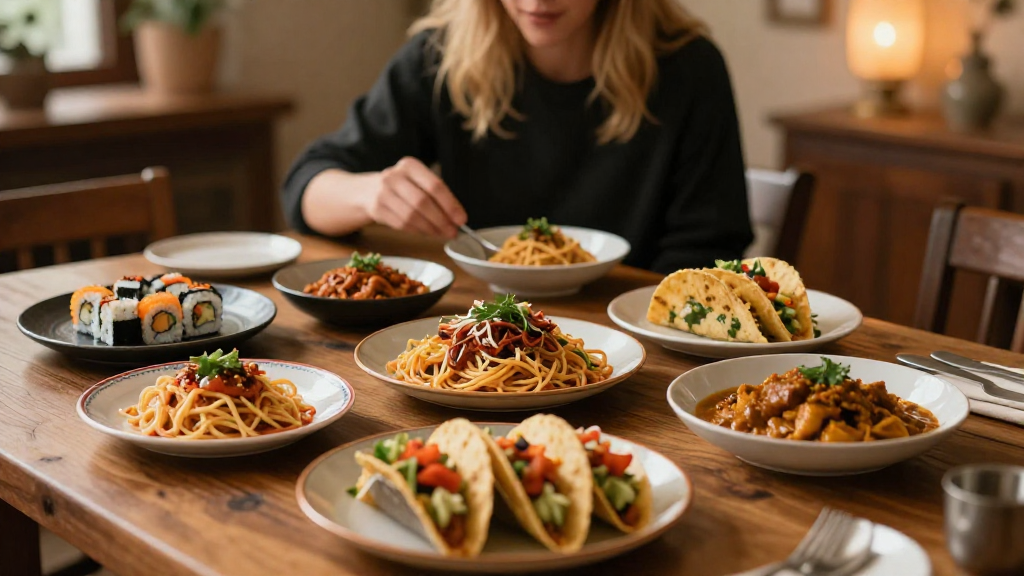
Food choices and culture are intricately connected, revealing insights about a community’s values, traditions, and social dynamics.
What Are the Relationships Between Food Choices and Culture?
Food is more than sustenance; it serves as a reflection of our identity.
When we think about food choices, we often consider the following:
- Cultural Heritage: The dishes we prepare and consume often originate from our ancestral backgrounds.
- Religious Practices: Many communities have specific dietary laws that shape their food choices.
- Geography: The availability of local ingredients greatly influences what people eat.
- Tradition and Ritual: Certain foods are linked to celebrations, rituals, or holidays.
- Economics: Socioeconomic status can limit or enhance food choices.
By analyzing these elements, we gain insight into how food choices and culture intersect.
How Do Traditions Shape Our Food Choices?
Every culture has a unique set of traditions that dictate food choices.
Consider the following aspects:
- Festivals and Celebrations: Special dishes are often prepared during significant cultural events. For instance, Diwali in India features sweets like Gulab Jamun, while Thanksgiving in the United States brings turkey and stuffing to the table.
- Family Recipes: Many families boast recipes that have been passed down for generations, symbolizing the culture they represent.
- Seasonal Foods: Certain foods are enjoyed only during specific times or seasons, emphasizing a community’s connection to nature.
Cultural traditions influence our food choices, giving us a sense of belonging and identity.
How Do Dietary Restrictions Reflect Cultural Values?
In many cultures, dietary restrictions provide insight into the values and beliefs of a community.
- Religious Beliefs: Some religions restrict certain foods. For example, in Hinduism, many followers are vegetarian due to the belief in non-violence toward animals.
- Fasting Practices: In Islam, fasting during Ramadan alters daily food choices and highlights spiritual reflection.
- Health Consciousness: Communities with a strong emphasis on health may adopt vegetarian, vegan, or gluten-free diets based on beliefs about wellness.
These dietary restrictions illustrate how food choices and culture are intertwined, reflecting the underlying principles and ethics of a society.
How Does Geography Influence Food Choices?
Geography plays a crucial role in shaping food choices and culture.
Consider how the local environment contributes to dietary decisions:
- Climate: Warmer climates allow for the growth of a variety of fruits and vegetables, while colder areas may rely on hearty grains and protein-rich foods.
- Natural Resources: Coastal communities often feature seafood prominently in their diets, while inland areas might prioritize meat and agricultural products.
The relationship between geography and food choices reveals the adaptability of cultures to their specific environments.
What Role Does Globalization Play in Food Choices?
Globalization has introduced a variety of new cuisines to different cultures.
This cross-pollination of food choices can lead to a blended cultural identity, characterized by:
- Fusion Cuisine: Combining elements from various food traditions creates new culinary experiences, such as sushi burritos or Korean tacos.
- Global Markets: Ingredients once exclusive to specific cultures are now widely available, allowing everyone to experiment with diverse recipes.
- Cultural Exchange: Restaurants and food festivals promote cross-cultural appreciation through shared meals.
While globalization presents opportunities for culinary exploration, it can also lead to the dilution of traditional food practices.
How Do Social Norms Affect Our Food Choices?
Food choices are also influenced by social norms embedded in culture.
Consider how societal expectations impact what we eat:
- Status and Class: Certain foods symbolize wealth or class. For example, truffles and caviar may be associated with luxury dining experiences.
- Trends and Fads: Social media often amplifies food trends. Gourmet cheeseburgers or avocado toast may influence popular dining choices among younger generations.
- Peer Pressure: In some cultures, young people might feel pressured to conform to popular dietary choices to fit in, such as plant-based diets among friends.
Understanding these social dynamics offers a deeper perspective on how food choices and culture intermingle.
How Can Personal Choices Influence Cultural Food Practices?
While culture shapes our food choices, individual preferences also play a significant role.
Consider these personal impacts on cultural food practices:
- Foodies and Enthusiasts: Individuals passionate about food can revive traditional recipes or promote local ingredients, keeping cultural practices alive.
- Modern Adaptations: Health-conscious eaters may adapt traditional dishes to suit contemporary preferences, resulting in innovations like quinoa pilaf instead of rice pilaf.
- Cultural Ambassadors: People who travel and experience different cultures can bring new food practices back home, further enriching local culinary scenes.
Personal choices can breathe new life into cultural food practices while celebrating and respecting traditional elements.
How Do Food Choices Reflect Identity?
Food choices and culture significantly contribute to our sense of personal and social identity.
These elements often reflect:
- Ethnicity: The ethnic backgrounds of individuals focus their culinary preferences, often leading to the maintenance of age-old customs.
- Lifestyle Choices: People may embrace particular diets (labelling themselves as vegan, vegetarian, or pescatarian) that define their identity and values.
- Community Bonds: Shared food experiences, like communal meals, help strengthen belonging and identity among individuals.
Food choices illuminate various facets of identity, making them powerful tools for understanding cultural connections.
Conclusion: Why Understanding Food Choices and Culture Is Essential
Exploring the intersection of food choices and culture reveals the intricacies of human experience.
Food is a cornerstone of our global society, bridging gaps between differences and aiding in cultural preservation.
From traditions and restrictions to geographical influences and globalization, food choices reflect complex social dynamics.
In our increasingly interconnected world, understanding these relationships helps foster greater appreciation for diverse diets and cultural practices, paving the way for mutual respect and understanding.
By embracing our food choices and culture, we celebrate the rich tapestry of human life and the diverse flavors that accompany it.