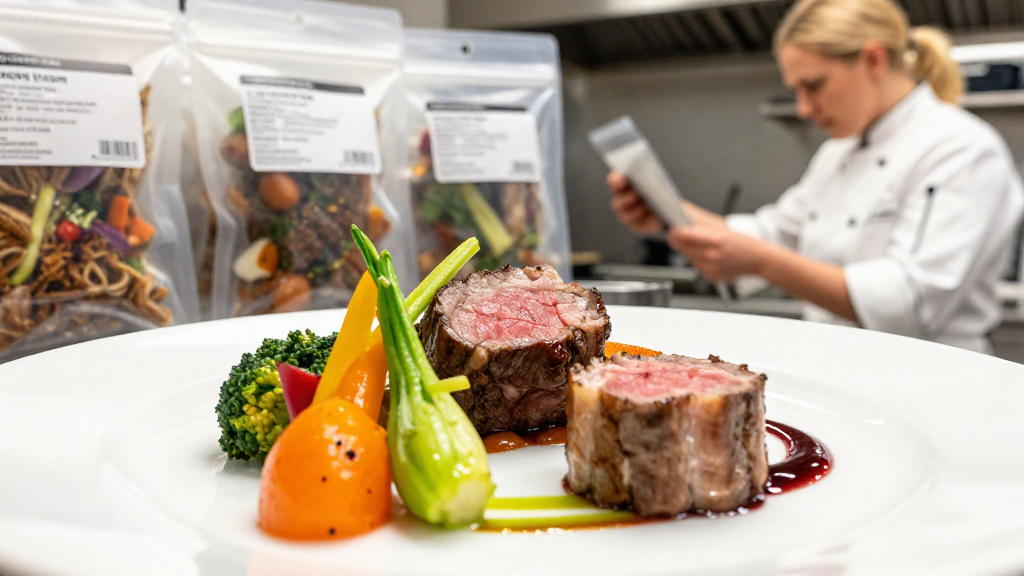
When considering what we eat, it’s crucial to understand the distinction between food quality vs food safety.
While both aspects are essential in the food industry, they focus on different dimensions of how we perceive and consume food.
What is Food Quality?
Food quality encompasses the characteristics and attributes of food that determine its value to consumers.
Here are some key factors that contribute to food quality:
- Taste: The flavor profile can significantly affect consumer preferences.
- Texture: This includes the food’s mouthfeel and physical consistency.
- Appearance: Visual appeal, such as color and presentation, also plays a vital role.
- Nutritional Content: The vitamins, minerals, and other nutrients present in food impact overall health benefits.
- Freshness: Fresh, in-season produce is generally considered higher quality.
In summary, food quality is about the experience and satisfaction that food provides.
When we discuss food quality vs food safety, we must remember that quality focuses on attributes leading to consumer enjoyment, while safety centers on preventing foodborne illnesses.
What is Food Safety?
Food safety refers to the practices and procedures put in place to ensure that food is free from contaminants that can cause illness or injury.
Key aspects of food safety include:
- Hygienic Practices: Proper handwashing and sanitation measures during food preparation.
- Cooking Temperatures: Ensuring food is cooked to safe temperatures to eliminate pathogens.
- Storage Procedures: Correct refrigeration and storage to prevent spoilage and contamination.
- Cross-Contamination Prevention: Keeping raw and cooked foods separate to safeguard against pathogens.
- Regulatory Compliance: Adhering to guidelines set by food safety authorities and agencies.
While food quality is subjective, food safety is rooted in clearly defined standards and practices that protect public health.
How Do Food Quality and Food Safety Overlap?
At first glance, food quality vs food safety may seem like entirely separate entities.
However, they intersect in various aspects of food production and consumption:
-
Freshness and Safety:
– Fresh produce tends to have better flavor, appealing to food quality.
– However, fresh food that isn’t handled properly can pose serious health risks. -
Appearance vs. Contamination:
– Visually appealing food may encourage purchase and consumption.
– Yet, just because food looks good does not guarantee it is safe to eat. -
Nutritional Value and Safety Practices:
– Nutritious food, particularly fruits and vegetables, can significantly contribute to a healthy diet.
– Poor handling or processing can diminish both nutritional value and safety.
Why Are They Both Important?
Understanding food quality vs food safety is essential for several reasons:
- Consumer Health: Ensuring food safety helps prevent illnesses that can be caused by contaminated or improperly handled food.
- Market Value: High-quality food with excellent aesthetics and taste can demand higher prices in the market.
- Brand Reputation: Businesses emphasizing both quality and safety build strong reputations and consumer loyalty.
How Do They Influence Consumer Choices?
Both food quality and food safety greatly influence purchasing decisions:
- Food Quality Factors:
- Taste and freshness attract consumers.
-
Packaging and branding often emphasize quality attributes.
-
Food Safety Factors:
- Clear labeling of safety practices can assure consumers.
- Certifications from health organizations can boost consumer confidence.
When consumers weigh food quality vs food safety, they often seek a balance between both.
In many cases, food that meets safety standards may be preferred, even if it scores lower in taste.
Conversely, exceptional taste alone is not enough if consumers have doubts about the food’s safety.
Can Food Quality Affect Food Safety?
Indeed, food quality can influence food safety.
Here’s how:
- Spoilage: Higher-quality foods such as fresh salads or fruits have a shorter shelf life. Without proper handling, they can spoil quickly and become unsafe.
- Processing Methods: Quality foods may be processed differently, which can enhance taste but compromise safety if not done according to standard practices.
- Ingredient Integrity: The quality of ingredients affects the overall safety. For instance, high-quality meat sourced from reputable suppliers is less likely to be contaminated compared to lower-quality alternatives.
How Do Regulations Impact Food Quality and Food Safety?
Regulations play a vital role in both enforcing food safety and promoting food quality.
Government agencies, such as the Food and Drug Administration (FDA) and the USDA, set guidelines that:
- Ensure food is handled safely to prevent illness.
- Set standards for food quality, including grading systems for meat and dairy products.
- Monitor agricultural practices, helping improve both safety and quality.
For consumers, that means they can trust that the food they buy has met certain standards.
Understanding food quality vs food safety helps consumers make informed choices in the marketplace while being aware of potential risks.
How Can Businesses Maintain Both Food Quality and Food Safety?
For businesses, balancing food quality vs food safety is essential for success.
Here are some strategies:
- Training Staff: Educating employees about hygiene and food handling can prevent contamination while ensuring quality food production.
- Regular Audits: Conducting quality and safety audits helps maintain high standards.
- Investing in Quality Ingredients: Sourcing high-quality ingredients can enhance final product quality while adhering to safety standards.
- Feedback Mechanisms: Implementing systems to collect customer feedback can help businesses adjust their offerings to ensure quality and safety meet consumer expectations.
Conclusion: Understanding the Balance
In conclusion, the difference between food quality vs food safety is essential for consumers and businesses alike.
Food quality focuses on the attributes that make food enjoyable, while food safety ensures that those foods can be consumed without risk of illness.
Understanding both aspects allows consumers to make informed choices while motivating businesses to adhere to regulations and prioritize customer satisfaction.
By acknowledging the importance of quality and safety, we can make better decisions for ourselves and our families, enjoying the full benefits of the foods we consume.