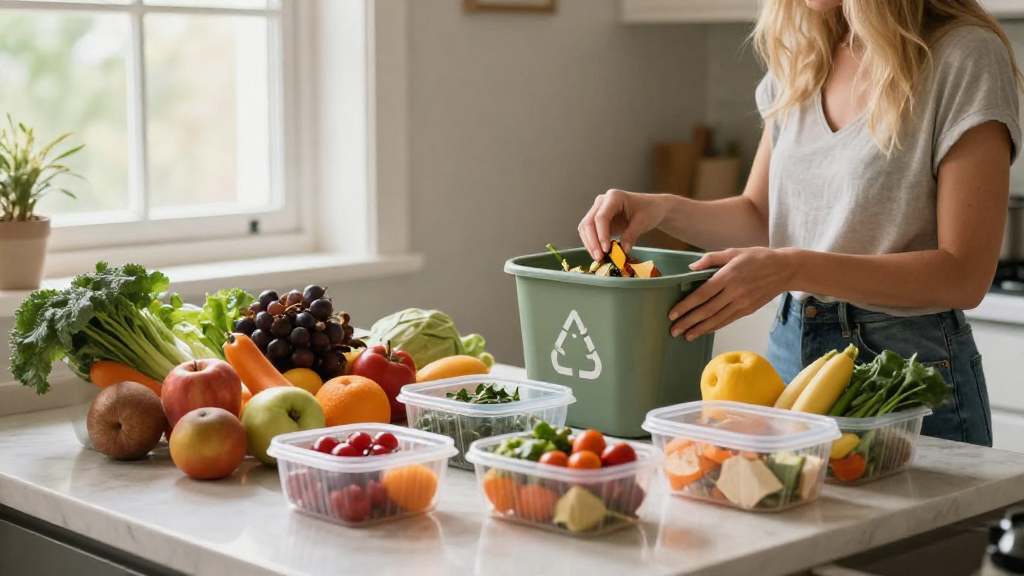
Food waste at home is a pressing issue that affects not only our wallets but also the environment.
By making small changes to our daily routines, we can significantly reduce the amount of food we throw away.
In this article, we’ll explore practical strategies to minimize food waste at home and create a more sustainable kitchen.
What Are the Causes of Food Waste at Home?
Understanding the reasons behind food waste at home is the first step toward prevention.
Here’s a look at some common causes:
- Overbuying: When we purchase more food than we can consume, it often leads to spoilage.
- Improper Storage: Failing to store food correctly can lead to faster spoilage.
- Cooking Too Much: Preparing meals with excessive portions can leave us with leftovers that we forget to eat.
- Misunderstanding Expiry Dates: Confusing “sell by” dates with “expiration” dates can lead to unnecessary disposal of perfectly good food.
- Lack of Meal Planning: Not planning meals can result in impulse buys and food that goes unused.
Identifying these triggers is crucial for effectively reducing food waste at home.
How Can I Plan My Meals to Reduce Food Waste at Home?
Meal planning is one of the most effective methods to reduce food waste at home.
Here’s how to implement it:
-
Create a Weekly Menu: Outline meals for the week based on what you have in your pantry and fridge.
-
Make a Shopping List: Stick to your list to avoid impulse purchases and overbuying.
-
Use Leftovers Creatively: Design meals that incorporate leftovers, ensuring nothing goes to waste.
-
Consider Portions: Adjust portion sizes to meet your household’s needs to avoid cooking too much food.
-
Incorporate Seasonal Ingredients: Using seasonal fruits and vegetables can help reduce waste as these items are usually fresher.
By following these steps, you can significantly cut down on food waste at home.
What Storage Techniques Help Reduce Food Waste at Home?
Proper food storage is essential for longevity and reducing spoilage.
Here are some tips you can use:
-
Use Airtight Containers: Store grains, pasta, and snacks in airtight containers to keep them fresh longer.
-
Label Everything: Write the purchase date on food items so you can prioritize items that need to be used first.
-
Check Your Fridge Temperature: Ensure that your refrigerator is set to below 40°F (4°C) to keep food fresh.
-
Utilize Freezing: Freeze surplus fruits, vegetables, and leftovers to prolong their shelf life.
-
Keep Your Pantry Organized: Arrange items by expiration date, placing older items at the front to encourage use first.
Implementing these storage techniques can significantly help in reducing food waste at home.
How Can Using Food Scraps Save Me from Waste?
Many food scraps are still nutritious and can be used in various creative ways.
Here are some ideas:
-
Vegetable Broth: Collect vegetable peels, trimmings, and stems to make a delicious broth.
-
Herb Regrowth: Place the stems of herbs like green onions or basil in water to regrow them.
-
Fruit Scraps: Use apple cores or citrus peels to infuse water or make flavored teas.
-
Banana Peels: Blend banana peels into smoothies for extra nutrients.
-
Composting: Consider composting food scraps to create nutrient-rich soil for your garden.
By utilizing food scraps, you can drastically reduce food waste at home and enhance your meals.
What Can I Donate to Reduce Food Waste at Home?
Donating excess food is a great way to reduce food waste at home while helping those in need.
Consider these steps for successful donation:
-
Assess Edibility: Only donate food that is still safe to eat. Check expiration dates, packaging, and condition.
-
Find Local Food Banks or Shelters: Search for local organizations that accept food donations.
-
Organize Community Drives: Partner with neighbors or community services to gather surplus food for donation.
-
Educate Yourself on Regulations: Familiarize yourself with local food donation laws, which often protect donors from liability.
-
Share with Friends and Family: If you have excess food, reach out to friends or family to see if they could use it.
By donating food instead of throwing it away, you help reduce food waste at home and support your community.
How Can I Teach My Family About Food Waste at Home?
Involving your whole household is key to effectively reducing food waste at home.
Here’s how to raise awareness:
-
Involve Kids in Cooking: Teach them how to prepare meals using all ingredients to understand their value.
-
Hold Weekly Food Audits: Review what foods are going bad or what’s left uneaten at the end of the week.
-
Encourage Mindful Eating: Instill the habit of finishing plates and discussing what was good or not.
-
Share Fun Facts: Explain the environmental impact of food waste and how they can help.
-
Create a Reward System: Set up incentives for reducing food waste at home, such as a family pizza night for achieving goals.
Educating your family on food waste can foster a minimal waste culture in your home.
Conclusion: What Are the Benefits of Reducing Food Waste at Home?
Reducing food waste at home not only benefits the environment but also improves your quality of life.
Here are some advantages of implementing these strategies:
-
Cost Savings: Spend less on groceries by only purchasing and using what you need.
-
Environmental Impact: Lower your carbon footprint by cutting down the waste that ends up in landfills.
-
Better Food Quality: Focus on fresher, healthier produce, enhancing your meals.
-
Community Support: Donating food helps fight hunger in your area.
By making an effort to reduce food waste at home, you contribute positively to your budget, the environment, and your community.
Every small change counts in the fight against food waste.
Start today—your kitchen and your planet will thank you!