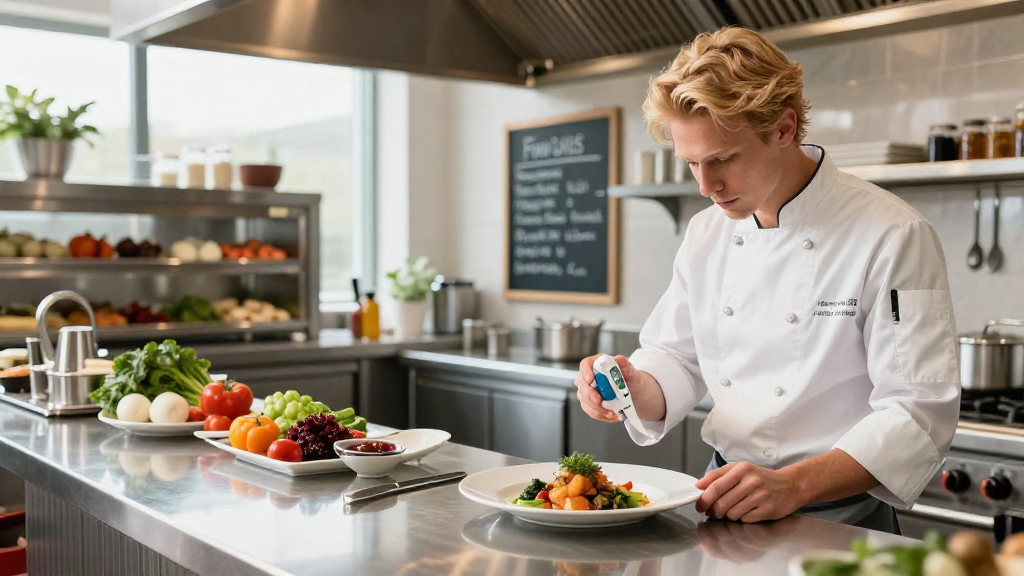
Food safety in restaurants is a crucial aspect of the culinary industry, protecting both customers and businesses from foodborne illnesses.
Understanding how food safety is maintained in restaurants can help consumers make informed choices and help restaurant operators implement effective practices.
What Are the Key Practices for Food Safety in Restaurants?
Maintaining food safety in restaurants involves several strategies and practices that ensure the preparation, handling, and serving of food is done safely. Here are some key practices:
- Proper Food Storage:
– Temperature Control:
Food should be stored at appropriate temperatures to prevent bacterial growth.- Cold Foods: Keep below 41°F (5°C).
- Hot Foods: Maintain above 135°F (57°C).
- Separation:
Raw and cooked food should be stored separately to avoid cross-contamination.
-
Effective Cleaning and Sanitization:
– All kitchen surfaces, utensils, and equipment must be regularly cleaned and sanitized.
– Three-compartment sinks are often used for washing, rinsing, and sanitizing dishes. -
Personal Hygiene Standards:
– Staff must wash hands frequently and correctly, particularly after handling raw food.
– Wearing protective gear such as gloves, hairnets, and aprons is also important to maintain food safety in restaurants. -
Regular Training:
– Staff should receive ongoing training in food safety protocols and best practices.
– Understanding Foodborne Illness: Knowledge about common foodborne pathogens helps staff identify risks. -
Quality Control:
– Establishing a system for receiving and inspecting food products upon delivery ensures they meet safety standards.
– Checking expiration dates and using a first-in, first-out system (FIFO) reduces waste and maintains food quality.
Why Is Food Safety Training Important in Restaurants?
Effective training is the backbone of food safety in restaurants.
Without proper education, even the best practices can fall short. Here’s why training is essential:
-
Awareness of Risks:
Employees learn about potential hazards in food handling and can prevent incidents before they occur. -
Consistency in Practices:
Ongoing training helps ensure that all staff use standardized practices, reducing variability in food safety measures. -
Building a Safety Culture:
A well-informed team creates a culture of safety that prioritizes customer well-being.
Which Regulations Govern Food Safety in Restaurants?
Numerous regulations and guidelines are in place to enforce food safety in restaurants. Some of the key regulations include:
-
Food and Drug Administration (FDA) Food Code:
This model code outlines guidelines for food safety, which many states adopt or adapt for their regulations. -
Local Health Departments:
Health departments conduct inspections, ensuring restaurants comply with local food safety standards. -
ServSafe Certification:
Many states require food managers to earn ServSafe certification, demonstrating a foundational understanding of food safety best practices.
How Do Restaurants Conduct Inspections for Food Safety?
Inspections are a significant part of maintaining food safety in restaurants.
Here’s how they typically occur:
-
Routine Inspections:
Health inspectors conduct regular inspections to evaluate compliance with local food safety regulations. -
Unannounced Visits:
Inspectors often arrive without warning to assess the restaurant’s day-to-day operations. -
Common Areas of Focus:
– Storage Practices: Inspectors will check for proper food storage temperatures and conditions.
– Cleanliness: The kitchen, serving areas, and restrooms are inspected for overall cleanliness.
– Employee Hygiene: Observing handwashing practices and the overall hygiene of staff is crucial. -
Documentation Review:
Inspectors may review food logs, temperature logs, and cleaning schedules to ensure everything is well-documented.
What Role Does Technology Play in Food Safety?
Technology has become an essential player in ensuring food safety in restaurants.
Here are some innovations improving food safety:
-
Temperature Monitoring Systems:
These systems provide real-time data on food storage temperatures, alerts if conditions change. -
Inventory Management Software:
Programs that track food inventory and expiration dates help reduce waste and ensure food quality. -
Mobile Apps for Training:
Many restaurants use mobile applications for staff training, allowing employees to access food safety resources wherever they are.
How Do Restaurants Handle Food Allergies Safely?
Managing food allergies is another critical aspect of food safety in restaurants.
Here’s how restaurants address this issue:
-
Clear Communication:
Staff is trained to ask customers about allergies and communicate this information effectively to the kitchen. -
Dedicated Utensils:
Separate equipment for allergenic foods minimizes cross-contact. -
Ingredient Transparency:
Restaurants must provide clear ingredient lists to help customers make informed decisions. -
Emergency Protocols:
Establishing protocols for handling allergic reactions can be crucial in ensuring customer safety.
What Are the Consequences of Poor Food Safety Practices?
Failing to maintain food safety in restaurants can lead to serious consequences including:
-
Foodborne Illness Outbreaks:
Contaminated food can lead to outbreaks, harming customers and damaging the restaurant’s reputation. -
Legal Action:
Consumers may file lawsuits resulting from negligence, leading to significant financial consequences. -
Loss of License:
Repeated violations can result in the loss of a business license or closure of the restaurant.
Conclusion: Why Is Food Safety in Restaurants Essential?
In conclusion, food safety in restaurants is not just a legal requirement; it is a moral obligation to protect customers and ensure a thriving business.
By adopting a culture of safety, investing in employee training, and implementing effective practices, restaurants can uphold high standards of food safety.
As a consumer, understanding these practices can empower you to make informed choices when dining out, ensuring a safe and enjoyable culinary experience.
Key Takeaways
- Committing to proper food safety practices protects customers and ensures the success of restaurant operations.
- Training staff in food safety protocols promotes consistency and accountability.
- Awareness of regulations, inspection processes, and technological advancements can enhance food safety programs.
By prioritizing food safety, restaurants can continue to thrive in a competitive industry while providing customers with meals that are safe, delicious, and made with care.