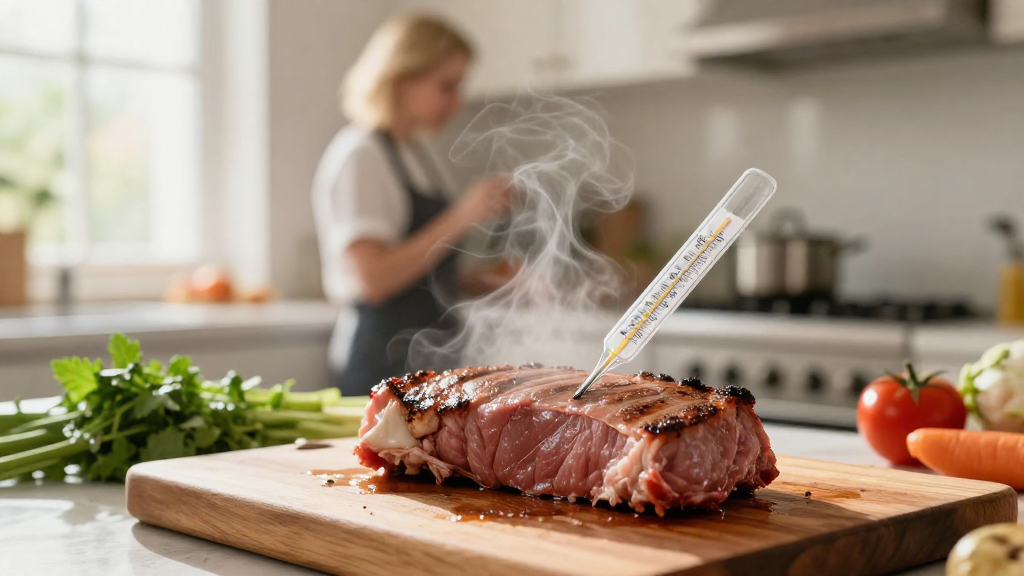
The food temperature danger zone is a critical concept in food safety that every food handler must understand.
This article will explore this essential topic, examining what the danger zone is, why it matters, and how to ensure food safety.
What Is the Food Temperature Danger Zone?
The food temperature danger zone refers to a specific range of temperatures where bacteria can thrive in food.
This zone typically spans from 40°F (4°C) to 140°F (60°C).
During this temperature range, bacteria can double in number approximately every 20 minutes.
Understanding this range helps prevent foodborne illnesses and ensures safe food handling practices.
Why Is the Food Temperature Danger Zone Important?
What Risks Are Associated with the Danger Zone?
The food temperature danger zone is crucial for several reasons:
-
Bacterial Growth: Bacteria such as Salmonella, E. coli, and Listeria can multiply rapidly, leading to foodborne illnesses.
-
Food Contamination: Keeping food in this temperature range increases the likelihood of cross-contamination, especially in a commercial kitchen.
-
Health Consequences: Consuming contaminated food can lead to severe health issues, ranging from mild gastrointestinal distress to life-threatening conditions.
By maintaining temperatures outside the danger zone, food handlers can significantly reduce these risks.
How Can We Avoid the Food Temperature Danger Zone?
What Are the Best Practices for Food Safety?
Maintaining safe food temperatures is a shared responsibility among everyone who deals with food—from farmers to consumers.
Here are some best practices to avoid the food temperature danger zone:
-
Store Food Properly:
– Refrigerate perishable foods at or below 40°F (4°C).
– Hold hot foods at or above 140°F (60°C). -
Use Food Thermometers:
– Invest in a reliable thermometer to measure internal food temperatures.
– Regularly check food temperatures during cooking and holding. -
Implement ‘First In, First Out’ (FIFO):
– Organize food storage by using older items before new ones to reduce waste and ensure freshness. -
Thaw Safely:
– Always thaw frozen food in the refrigerator or running cold water, never at room temperature. -
Keep Work Areas Clean:
– Regularly sanitize kitchen surfaces and utensils to avoid cross-contamination.
How Long Can Food Stay in the Danger Zone?
What Are the General Guidelines?
Food safety experts recommend that food should not be left in the food temperature danger zone for more than two hours.
Here are specific guidelines to follow:
-
One Hour Rule: If the ambient temperature is above 90°F (32°C), such as during a summer picnic, food should not stay out for more than one hour.
-
Two Hour Rule: At room temperature (between 40°F and 90°F), food can remain unrefrigerated for up to two hours safely.
-
Exceptions: Some food items may require stricter controls, so always check the recommended guidelines for specific foods.
What Happens If Food Enters the Danger Zone?
Can You Safely Consume Food Left Too Long?
If food has been left in the food temperature danger zone for more than the recommended time, it is crucial to discard it.
Here’s why:
-
Danger of Bacterial Toxins: Some bacteria produce toxins that remain harmful even after cooking, making the food unsafe.
-
Risk Assessment: Always err on the side of caution when it comes to food safety. If you’re unsure whether food is safe, it’s best to throw it out.
How Does the Danger Zone Impact Various Food Types?
Is the Danger Zone Different for Raw and Cooked Foods?
Yes, different food types can be affected by the food temperature danger zone in varying ways. Here are some examples:
-
Meats and Poultry: These foods are particularly susceptible to bacteria and must be cooked to specific temperatures to ensure safety.
-
Dairy Products: Milk, cheese, and other dairy items can spoil quickly if exposed to the danger zone, leading to spoilage and health risks.
-
Fruits and Vegetables: While they may be less prone to bacterial growth compared to meat, they can still become contaminated when left in the danger zone.
What Tools Can Help Monitor the Danger Zone?
What Equipment Is Essential for Food Safety?
Several tools can help monitor and maintain safe food temperatures:
-
Thermometers:
- Digital Thermometers: These provide quick and accurate readings.
- Infrared Thermometers: Great for checking surface temperatures without contact.
-
Temperature Logs:
- Keeping a record of food temperatures helps ensure compliance with safety standards.
-
Temperature Monitoring Systems:
- Automated systems can monitor temperatures in refrigerators and freezers, alerting you to potential issues.
Conclusion: Why Being Aware of the Danger Zone Is Essential
Understanding the food temperature danger zone is vital for everyone involved in food preparation and handling.
By keeping food out of this critical temperature range, you can drastically reduce the risk of foodborne illnesses.
Remember to utilize best practices like:
- Proper storage
- Regular temperature checks
- Maintaining clean work areas
Food safety is everyone’s responsibility.
Practicing proper food handling and being aware of the food temperature danger zone can help you protect not only yourself but also your family and customers.
Stay informed and make food safety a priority in your daily activities!