Making fresh oil at home does not require a commercial-size budget. The best oil presses under $100 can help process seeds, nuts, and other ingredients in small batches while giving you more control over temperature and freshness.
This roundup includes automatic electric models, compact machines, and manual presses. Compare capacity, controls, cleanup, and versatility to find the right fit for your kitchen or small-scale pressing setup.
Best 10 Oil Presses Under 100 Picks for 2026
Best High-Capacity Electric Pick
1500W Stainless Steel Oil Press

- 1500W motor and stated 5 kg/hour peanut capacity
- Digital touchscreen temperature control
- Hot and cold pressing with stainless steel body
Best For: High-volume home pressing and varied seed use
Best Manual Pick
Original Nut and Seed Oil Expeller
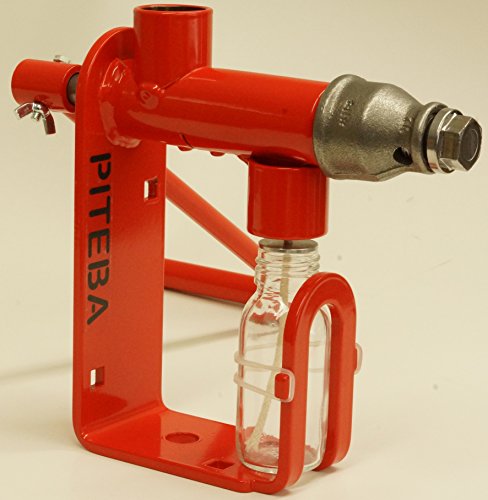
- No electricity or external power source required
- Compact manual design for nuts and seeds
- Listed as low-maintenance and suitable for small farms
Best For: Simple, portable, small-scale pressing
Best Temperature-Controlled Value
110V Stainless Steel Oil Press

- Hot and cold modes with digital temperature display
- 304 stainless steel body and detachable components
- Stated processing range of 6.61–13.22 pounds per hour
Best For: Frequent home pressing with temperature control
Best Easy-Clean Automatic Pick

- 850W motor with stated 24-hour operation
- Hot and cold pressing with automatic temperature control
- Detachable design, reverse function, and 30-plus ingredient support
Best For: Versatile home use with easier maintenance
Best Adjustable Electric Pick
610W Stainless Steel Oil Press

- 50–250°C adjustable temperature range
- Reported 3–6 kg/hour throughput
- 304 stainless-steel construction
Best For: Home users wanting powered pressing with heat control
Best Manual Fruit-and-Oil Press
6L Stainless Steel Manual Press

- Quiet, motor-free operation
- 6L/1.6-gallon capacity
- Perforated basket for juice and pulp separation
Best For: Quiet manual fruit, vegetable, and small-batch pressing
Best Portable Manual Expeller
CGOLDENWALL Household Oil Press

- Physical pressing with no chemical ingredients
- Portable 1-liter manual design
- One-year warranty included
Best For: Small household batches of suitable oil-rich crops
Versatile Stainless-Steel Pick
Adjustable-Temperature Oil Press

- 50–250°C adjustable pressing temperature
- Handles many seeds, nuts, and coconut
- Includes filter, oil cup, and gloves
Best For: Home users seeking flexible cold- and hot-press operation
Continuous-Use Choice
Dual-Temperature Oil Extractor

- Cold and hot pressing modes
- 4–5 kg hopper capacity
- Designed for extended operation
Best For: Users prioritizing batch size and sustained pressing
High-Capacity Smart Pick

- 8.8 lb/h stated processing capacity
- 104–410°F stepless temperature control
- LCD monitoring and residue separation
Best For: Beginners wanting higher capacity and simple controls
Best High-Capacity Electric Pick – 1500W Stainless Steel Oil Press
If you’re comparing oil presses under 100, this 1500W electric model stands out for its stated 5 kg-per-hour peanut pressing capacity, automatic controls, and stainless steel construction. Its touchscreen temperature display also makes it easier to switch between hot and cold pressing.
Best For: Home users who want a high-powered electric press with digital temperature control and broad seed compatibility.
Pros:
- 1500W motor with stated capacity of up to 5 kg per hour for peanuts.
- Digital display allows temperature setting and real-time monitoring.
- Supports hot and cold pressing for peanuts, sesame, sunflower seeds, walnuts, flax, and other oil-rich crops.
- Stainless steel construction and a listed 24-hour continuous working capability.
Cons:
- The high power rating may be more than needed for occasional small batches.
- It is corded electric rather than manually operated.
This is a feature-rich option for shoppers prioritizing speed, capacity, and adjustable temperature control. Confirm the current price and dimensions before buying, especially if countertop space is limited.
Best Manual Pick – Original Nut and Seed Oil Expeller
Among oil presses under 100, this manual expeller is a straightforward choice for shoppers who want to avoid motors and electrical controls. It is designed for continuous manual operation, weighs 5.2 pounds according to the product description, and requires no external power source.
Best For: Users seeking a compact, manually operated press for nuts and seeds, including small-farm applications.
Pros:
- Manual operation requires no electricity or external power source.
- Compact design with a listed product weight of 4.14 pounds in the specifications.
- Designed for continuous expelling with almost no maintenance required.
- Ships from the USA, according to the product title.
Cons:
- Manual operation requires physical effort.
- The supplied notes do not provide a processing rate or temperature-control features.
This expeller makes the most sense when simplicity, portability, and independence from an outlet matter more than automation or high throughput. Its compact format may also suit occasional pressing and small-scale use.
Best Temperature-Controlled Value – 110V Stainless Steel Oil Press
For shoppers researching oil presses under 100, this 110V machine combines hot and cold modes with a digital temperature panel and automatic heat regulation. Its 304 stainless steel construction and stated processing range of 6.61 to 13.22 pounds per hour make it a practical fit for frequent home use, if the price qualifies.
Best For: Home users who want adjustable temperature management, detachable cleaning-friendly components, and a relatively high stated throughput.
Pros:
- 304 stainless steel construction is intended for prolonged use.
- Digital panel shows preset and real-time temperatures, with an 8-minute preheat timer.
- Supports both cold and hot pressing for peanuts, sesame, rapeseed, sunflower seeds, walnuts, soybeans, and more.
- Locking connections and detachable parts are designed to reduce leakage and simplify cleaning.
Cons:
- Hand-wash care is specified.
- The notes contain differing power references, listing a 150W motor and 610W maximum power.
- Its 110V requirement may not suit every electrical setup.
This model is appealing for buyers who value temperature precision and flexible pressing modes. Review the electrical specifications carefully and verify the current price before treating it as an oil press under 100.
Best Easy-Clean Automatic Pick – JOYKUVA 850W Oil Press
This JOYKUVA model is worth considering among oil presses under 100 if you want automatic operation, a detachable design, and controls suited to both hot and cold pressing. Its notes emphasize a pure copper motor, digital temperature control, reverse operation, and support for more than 30 types of seeds and nuts.
Best For: Home kitchens or small businesses that want a compact automatic press with broad ingredient compatibility and easier cleanup.
Pros:
- 850W pure copper motor is described as low-noise and suitable for 24-hour continuous operation.
- Supports hot and cold pressing with automatic temperature adjustment.
- Reverse motor function helps remove residue, while the detachable design supports cleaning.
- Listed compatibility includes flaxseed, peanuts, sunflower seeds, almonds, sesame, coconut, and olive seeds.
Cons:
- Requires dried ingredients, small pieces, and 10 minutes of preheating.
- The instructions exclude several ingredients, including green olives, avocados, coffee beans, spices, and flowers.
- Manual cleaning of the pressing rod and chamber is recommended after each use.
This is a versatile countertop option for users willing to follow preparation guidelines. Its automatic safeguards and reverse function are useful, but ingredient restrictions and regular cleaning should factor into the buying decision.
Best Adjustable Electric Pick – 610W Stainless Steel Oil Press
For shoppers comparing oil presses under 100, this electric model offers adjustable temperature control and a steel construction suited to regular home pressing. Its 50–250°C range supports hot- or cold-pressing workflows for ingredients such as peanuts and sesame.
Best For: Home users who want an electric press with adjustable heat and higher reported throughput.
Pros:
- Adjustable pressing temperature from 50–250°C.
- Reported capacity of 3–6 kg of raw material per hour.
- 304 stainless-steel body with a non-fingerprint exterior.
- Includes a funnel, oil cup, filter, gloves, brush, and instruction manual.
Cons:
- Requires hand washing and cleanup after pressing.
- Its electric design and 610W rating may be more equipment than occasional users need.
This is the most feature-rich option here for buyers prioritizing powered operation, heat control, and included accessories. Confirm available space before buying, since it measures about 16.53 inches wide.
Best Manual Fruit-and-Oil Press – 6L Stainless Steel Manual Press
Among oil presses under 100, this manual basket press is a practical choice for shoppers who also want to process fruit and vegetables. It uses a quiet, motor-free design, a perforated stainless-steel basket, and a T-handle for pressing.
Best For: Quiet manual pressing of fruit, vegetables, and small batches of juice or oil-related ingredients.
Pros:
- No built-in motor, so operation is designed to be quiet.
- Food-grade stainless-steel construction resists rust.
- Perforated basket helps separate juice and pulp.
- 6L/1.6-gallon capacity and a threaded T-handle support larger batches.
Cons:
- Manual operation requires physical effort.
- It is a general fruit and vegetable press rather than a dedicated powered seed oil expeller.
- Hand-wash-only care may add cleanup time.
Choose this model when quiet operation, a generous basket, and versatility matter more than automated heating or motorized extraction. Its design is especially suited to users who want one press for fruit and vegetable applications.
Best Portable Manual Expeller – CGOLDENWALL Household Oil Press
For buyers seeking oil presses under 100 without a motor, this portable manual expeller uses physical pressing and a stainless-steel body. It is intended for oil-rich crops such as peanuts, sunflower seeds, sesame, walnuts, and coconut.
Best For: Hands-on users pressing suitable oil crops in small household batches.
Pros:
- Uses physical pressing without chemical ingredients.
- 304 stainless-steel body and handle are designed for rust resistance.
- Portable form factor with a listed 1-liter capacity.
- Includes English instructions and a one-year warranty.
Cons:
- Manual operation is slower and more labor-intensive than an electric press.
- Continuous heating is required during use.
- Not recommended for flaxseed, rapeseed, or olives according to the supplied guidance.
This is a focused option for users who prefer manual control and physical extraction. Check your intended ingredients first, because the manufacturer limits its recommendations to crops with suitable oil content and specifically excludes several smaller or more complicated ingredients.
Versatile Stainless-Steel Pick – Adjustable-Temperature Oil Press
If you are comparing oil presses under 100, this stainless-steel model stands out for its adjustable 50–250°C temperature range and support for a broad selection of seeds and nuts. Its automatic heating and included filter make it a practical option for small-batch home pressing.
Best For: Home users who want adjustable-temperature pressing for peanuts, sunflower seeds, walnuts, soybeans, coconut, and similar materials.
Pros:
- Food-grade, non-fingerprint stainless-steel shell is designed for easier cleaning and corrosion resistance.
- Supports cold- and hot-press temperature adjustment from 50–250°C.
- Automatic heating and a stated processing range of 3–6 kg per hour.
- Includes an oil cup, filter, insulation gloves, and instruction manual.
Cons:
- Hand-wash care may require more cleanup time.
- The supplied details list both 150W motor wording and a 600W/610W model designation, so buyers should verify the exact configuration.
Its combination of temperature control, stainless-steel construction, and included accessories makes it a flexible entry-level choice. The broad material compatibility is useful, though the conflicting wattage information is worth confirming before purchase.
Continuous-Use Choice – Dual-Temperature Oil Extractor
Among oil presses under 100, this stainless-steel extractor is geared toward users who want both cold and hot pressing. Its dual-button heating system, 38 mm hopper, and heat-dissipation design support larger batches and extended operation.
Best For: Home or small commercial users pressing almonds, linseed, peanuts, sesame, walnuts, rapeseed, and other listed materials.
Pros:
- Offers separate cold- and hot-pressing modes for different pressing goals.
- Pure-copper heat pipe provides stated 360-degree, even heat conduction.
- 38 mm hopper reportedly holds 4–5 kg at a time.
- Four-sided heat dissipation is designed for safer continuous operation.
Cons:
- Temperature control is limited to preset heating buttons at 200°C and 240°C rather than a broad adjustable range.
- Its larger-batch commercial-oriented design may be more machine than occasional users need.
This model is a strong fit when batch capacity and operating endurance matter more than fine temperature adjustment. The included funnel, filter, brush, glove, and oil cup also make it reasonably equipped for regular pressing and cleanup.
High-Capacity Smart Pick – LCD Cold and Hot Press
For shoppers comparing oil presses under 100, this 110V model emphasizes capacity, monitoring, and simplified controls. Its LCD display, stepless 104–410°F temperature adjustment, and automatic residue separation make it suited to repeat small-batch pressing.
Best For: Beginners and home or small-batch users who want clear controls for peanuts, sesame, coconut, soybeans, walnuts, and similar oil crops.
Pros:
- 610W pure-copper motor and stated 8.8 lb/h processing capacity.
- Supports both cold and hot pressing with temperature adjustment from 104–410°F.
- LCD display shows temperature and working status for easier monitoring.
- Automatic oil-residue separation and a fine filter are designed to produce clearer oil.
Cons:
- The listed 110V specification may limit compatibility outside suitable electrical systems.
- The product details do not specify included accessories beyond the machine information provided.
This is the most feature-focused option of the three, combining high stated throughput with temperature precision and automated separation. It is especially appealing if you value visible operating information and a beginner-friendly control layout.
How We Picked the Best Oil Presses Under 100
We focused on the features that matter most for affordable home oil pressing: power, temperature adjustment, pressing method, construction, controls, and ease of cleaning. The selection includes 110V electric machines, automatic models with LCD or touch controls, detachable designs, and manual equipment for buyers who prefer a simpler setup.
Because prices and specifications can vary, confirm the current listing details before buying. Pay particular attention to the included accessories, recommended ingredients, heating range, and whether the machine is intended for continuous or occasional use.
Quick Comparison
| Type | Best For | Main Advantage | Potential Trade-Off |
|---|---|---|---|
| Automatic electric | Frequent home pressing | Less hands-on work | More parts to clean |
| Adjustable-temperature electric | Different seeds and nuts | More control over pressing | Requires setup and monitoring |
| Detachable electric | Easy cleanup | Removable components | May have lower power |
| Manual press | Occasional use or portability | No electricity required | More physical effort |
| Fruit or multipurpose press | Fruit, honey, or specialty batches | Broader pressing uses | Not always optimized for seeds |
Key Buying Factors for Oil Presses Under $100
Power and Pressing Speed
Higher wattage can support faster pressing and tougher ingredients, but power alone does not determine oil yield. A 610W to 850W unit may suit regular household batches, while a 1500W model can be appealing for heavier use if your electrical setup and counter space allow it.
Temperature Control
Cold- and hot-press settings provide flexibility. Adjustable ranges such as 50–250°C can help tailor the process to different seeds, but higher temperatures may affect flavor and nutritional characteristics. Look for clear controls and an easy-to-read display.
Materials and Cleanup
Stainless steel construction is durable and generally easier to wipe down. Detachable pressing components are especially useful because oil residue can harden quickly. Check whether the removable parts are dishwasher-safe; never assume they are unless the manufacturer says so.
Capacity and Counter Space
Compact machines work well for occasional batches, apartments, and smaller kitchens. Commercial-style models may offer stronger performance but need more storage room. Also consider hopper size, feed consistency, and how often you want to refill the machine.
Safety and Included Support
Prioritize overload protection, stable feet, ventilation, and clear operating instructions. A warranty and accessible replacement parts can be more valuable than a small difference in wattage, particularly with lower-priced appliances.
Who Should Buy Which Oil Presses Under 100?
Choose an automatic electric press if you want convenient, repeatable batches with minimal manual effort. An adjustable-temperature model is better for buyers who process several types of seeds or want closer control over heat. A detachable design makes the most sense when cleanup is your top concern.
For occasional pressing, limited counter space, or use without power, a manual press can be the practical choice. If you plan to press fruit, honey, or olives as well as seeds, consider a multipurpose fruit press—but verify that its basket and mechanism are suitable for your intended ingredients. Whichever model you choose, begin with small batches, follow the manufacturer’s instructions, and clean the press promptly after use.