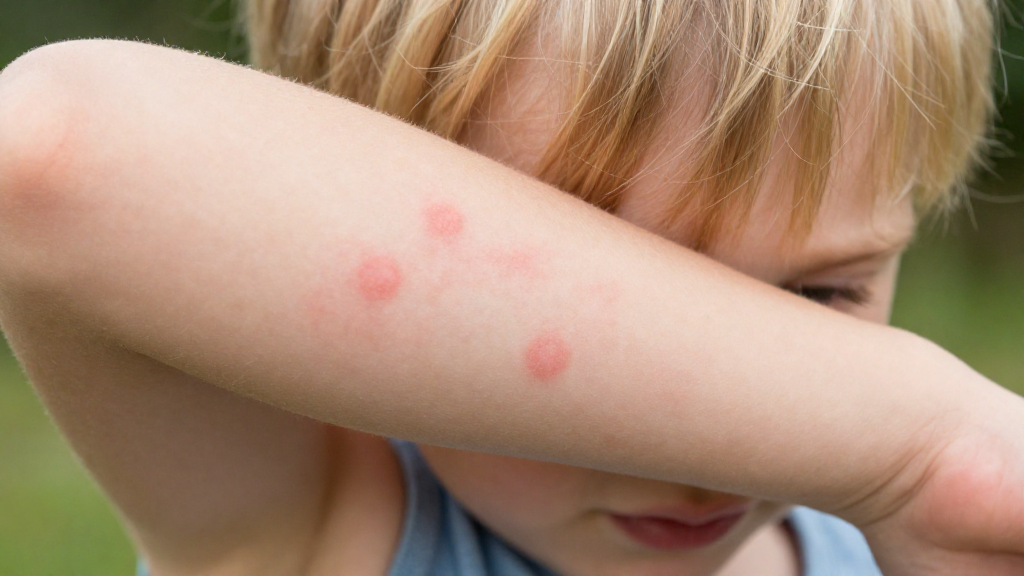
If you’re experiencing a possible food allergy rash, understanding its appearance can help you address the issue effectively.
What Are Food Allergy Rashes?
Food allergy rashes are skin reactions that occur when your immune system mistakenly identifies a particular food as harmful.
When exposed to the allergenic food, the body produces an abnormal response which can trigger various skin issues.
These reactions can manifest as:
- Hives: Raised, itchy welts that can be red or skin-colored.
- Eczema: A condition that causes dry, itchy, and inflamed skin.
- Angioedema: Swelling of deeper layers of skin.
How Can You Identify Food Allergy Rash Pictures?
To better understand the symptoms of food allergy rashes, it’s helpful to visualize them.
Here are some common types of food allergy rashes, and what you might find in food allergy rash pictures:
-
Hives (Urticaria):
– These appear as raised, red welts on the skin.
– They are often itchy and may vary in size.
– Hives can come and go within a few hours or last for days. -
Eczema:
– This rash may appear as red, dry, and flaky patches on the skin.
– It’s often accompanied by intense itching.
– Eczema can occur anywhere on the body but is common in flexural areas, like the inner elbows and behind the knees. -
Angioedema:
– This involves swelling in the deeper layers of the skin, often around the eyes and lips.
– It may accompany hives or occur on its own.
– Angioedema can be life-threatening if it occurs in the throat, leading to breathing difficulties. -
Contact Dermatitis:
– Although not a food allergy per se, contact dermatitis can trigger rashes from food allergens contacting the skin.
– It often appears as a red, itchy rash in the area where the food touched the skin.
Why Do Food Allergy Rashes Occur?
Food allergy rashes happen due to IgE-mediated reactions, meaning the body produces immunoglobulin E antibodies in response to certain proteins in food.
Common food allergens include:
- Peanuts
- Tree nuts
- Shellfish
- Dairy
- Eggs
- Wheat
- Soy
If you suspect that your rash may be caused by a food allergy, further investigation is necessary.
How Do Food Allergy Rash Pictures Help in Diagnosis?
Food allergy rash pictures can serve as a valuable tool in identifying what you or a loved one may be experiencing.
-
Visual Comparison:
– By comparing your symptoms with images, you may be able to identify specific rash types. -
Educating Others:
– Sharing food allergy rash pictures with individuals involved in care can aid in better communication, especially when seeking medical assistance. -
Tracking Progress:
– Keeping a record of pictures over time can help you monitor how the rash evolves and responds to treatments.
When Should You See a Doctor?
While many food allergy rashes are not life-threatening, some can signal serious conditions.
You should seek medical attention immediately if you experience:
- Breathing difficulties
- Swelling of the throat or tongue
- Rapid heart rate
- Dizziness or fainting
How Can You Treat Food Allergy Rashes?
Treating food allergy rashes often involves a combination of approaches:
-
Avoidance of Trigger Foods:
– The most effective way to manage food allergies is to fully avoid the specific foods or ingredients causing the reactions. -
Over-the-Counter Treatments:
– Antihistamines like Loratadine or Cetirizine can relieve itchiness.
– Hydrocortisone cream may help reduce inflammation and redness for hives or eczema. -
Prescription Medications:
– For severe reactions, a doctor may prescribe corticosteroids or epinephrine auto-injectors (e.g., EpiPen). -
Skin Care:
– Keeping the skin moisturized can help manage eczema and prevent flare-ups. -
Allergy Testing:
– Consider meeting with a healthcare professional for allergy testing to pinpoint specific allergens known to cause reactions.
Can Food Allergy Rash Pictures Differ by Age Group?
Yes, food allergy rashes can indeed vary by age group.
- Infants and Toddlers:
-
Younger children often exhibit eczema more prominently, which may appear on their cheeks and scalp.
-
School-Aged Children and Adults:
- Older individuals may present symptoms like hives, found primarily on their arms and legs.
Resources for Food Allergy Rash Pictures
There are numerous online resources that can provide a variety of food allergy rash pictures for reference.
Some reputable sources include:
-
Health websites: Websites like Mayo Clinic or WebMD often have comprehensive images and guides about food allergies.
-
Patient Forums: Platforms like AllergyKids or Food Allergy Research & Education (FARE) allow patients to share their experiences and pictures.
-
Medical databases: Academic platforms may provide clinical illustrations and research on food allergy rashes.
Conclusion
Recognizing food allergy rashes early can significantly impact treatment and management.
Using food allergy rash pictures for reference can help you identify the type of rash and guide your next steps, especially when seeking medical advice.
Researching and being aware of potential food allergens and their effects can lead to a healthier, safer living experience.
If you suspect that you or a loved one has a food allergy, consult a healthcare professional for a proper diagnosis and tailored treatment plan.
By understanding the nuances of food allergy rashes and utilizing available resources, you can take proactive steps toward managing this condition effectively.