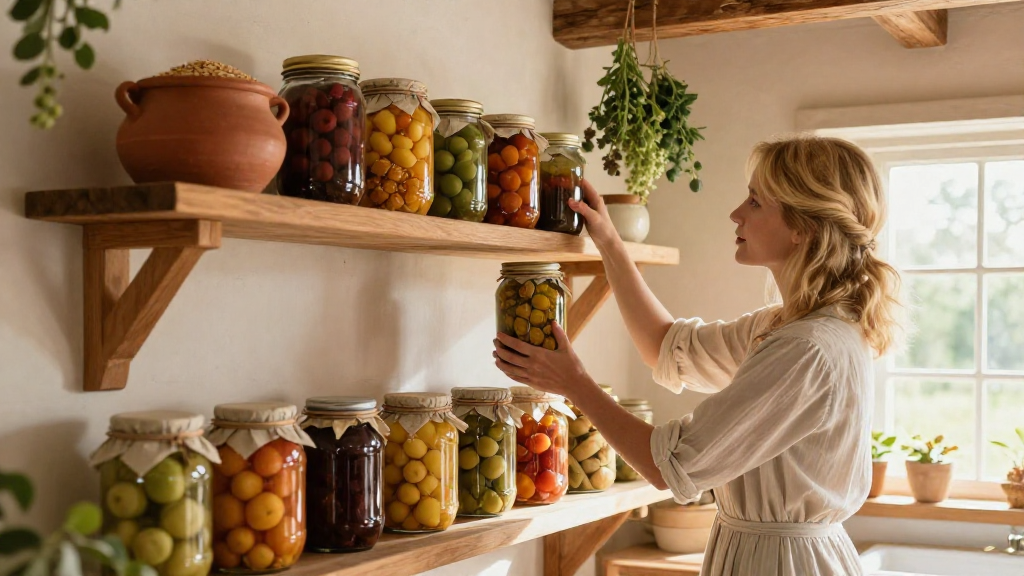
Storing food without electricity is an essential skill, especially in today’s world where power outages can happen unexpectedly. This article will guide you through various methods and techniques to ensure your food remains safe and fresh without the need for electrical appliances.
What Are the Basic Methods of Food Storage Without Electricity?
When considering food storage without electricity, there are several traditional methods you can utilize. Each has its benefits, and understanding them can help you choose the best option for your needs:
-
Canning
Canning is a method where food is preserved in jars.
– Water Bath Canning: Best for high-acid foods like fruits and pickles.
– Pressure Canning: Ideal for low-acid foods like vegetables and meats.
– Benefits: Long shelf-life and retains nutritional value. -
Dehydrating
Drying food removes moisture, which helps inhibit bacterial growth.
– Sun-Drying: An age-old method that works well for fruits and herbs.
– Oven Drying: Use the oven on a low setting or a food dehydrator.
– Benefits: Lightweight, takes up little space. -
Fermenting
Fermentation not only preserves food but enhances its nutritional profile.
– Types: Sauerkraut, kimchi, and yogurt.
– Benefits: Probiotics from fermented foods can aid digestion. -
Root Cellaring
This method uses a cool, dark, and humid environment to store food.
– Vegetables: Carrots, potatoes, and onions thrive in this environment.
– Benefits: Minimal energy consumption and retains flavor. -
Salt Curing and Smoking
These methods are often used for meats and fish.
– Salt Curing: Involves placing food in a salt solution to draw out moisture.
– Smoking: Exposes food to smoke from burning or smoldering materials.
– Benefits: Adds flavor while preserving.
How Can You Use the Natural Environment for Food Storage Without Electricity?
Utilizing natural resources can greatly aid in food storage without electricity. Here are some innovative techniques:
-
Natural Refrigeration
– Underground Storage: Utilize the earth’s natural insulation by burying root vegetables in a basket.
– Cool Streams or Wells: If accessible, placing food in these natural cold sources can extend freshness. -
Ice and Snow
– In winter, use ice or snow as a natural refrigerator.
– Precautions must be taken to ensure food is kept safe from contamination. -
Herbal Preservatives
Certain herbs have natural preservative qualities.
– Rosemary, thyme, and oregano can help extend the shelf life of various foods.
– Incorporating these into meals can both enhance flavor and provide preservation. -
Foraging
– Utilize wild-growing plants, fruits, and nuts during their peak seasons.
– Store and use them before they spoil to reduce waste.
Which Containers Are Best for Food Storage Without Electricity?
Choosing the right container is crucial for effective food storage without electricity. Here are several options:
-
Glass Jars
– Excellent for canning and can create an airtight seal when properly processed.
– Types: Mason jars and Ball jars are popular for longevity. -
Bamboo Baskets
– Great for storing vegetables and fruits due to their ability to circulate air.
– They keep produce fresher for longer periods. -
Clay Pots
– Ideal for root vegetables, as they help control humidity levels.
– They can keep your produce cool and reduce spoilage. -
Vacuum-Sealed Bags
– For short-term storage or when using a dehydrator, these can greatly increase the shelf life of dried foods. -
Wooden Crates
– Perfect for storage in a root cellar, ensuring air circulation to reduce moisture buildup.
How Can You Extend the Shelf Life of Your Food Without Electricity?
To maximize the effectiveness of your food storage without electricity, consider these methods to extend the shelf life of your food:
-
Preserving with Vinegar
– Pickling vegetables in vinegar adds acidity, which inhibits spoilage.
– Great for cucumbers, onions, and peppers. -
Using Sugar
– Canning jams and jellies involves high amounts of sugar which help preserve through osmosis.
– When making dried fruits, sprinkling sugar can help maintain flavor. -
Storing Grains Properly
– Using airtight containers for grains keeps moisture out and protects from pests.
– Keep grains in cool, dark places to extend shelf life. -
Regular Monitoring
– Frequent checks on stored items can help catch spoilage early.
– Organize your storage to ensure older items are consumed first.
What Are the Benefits of Food Storage Without Electricity?
Storing your food without electricity has numerous advantages, including:
-
Cost Savings
Reducing reliance on electrical appliances can save money on energy bills. -
Sustainability
These methods are environmentally friendly, using fewer resources and producing less waste. -
Food Security
By having a reliable method of preservation, you can mitigate the impact of food shortages or emergencies. -
Health Benefits
Many preservation methods enhance the nutritional profile of food, such as fermentation. -
Flavor Enhancement
Traditional methods like smoking and fermenting can add unique flavors to your meals.
Conclusion
Learning how to effectively store food without electricity is not just practical but a necessary skill in today’s unpredictable climate. From canning and dehydrating to utilizing the natural environment, various methods can help safeguard your food.
Explore these techniques, test them, and find what works best for your lifestyle.
By implementing these strategies for food storage without electricity, you can ensure that your pantry remains stocked with safe, nutritious, and flavorful foods, ready to serve you and your family.
Ultimately, preparing for the unexpected through effective food storage can provide peace of mind and a sustainable way of living. Embrace these methods and enjoy the benefits of preserving your own food.