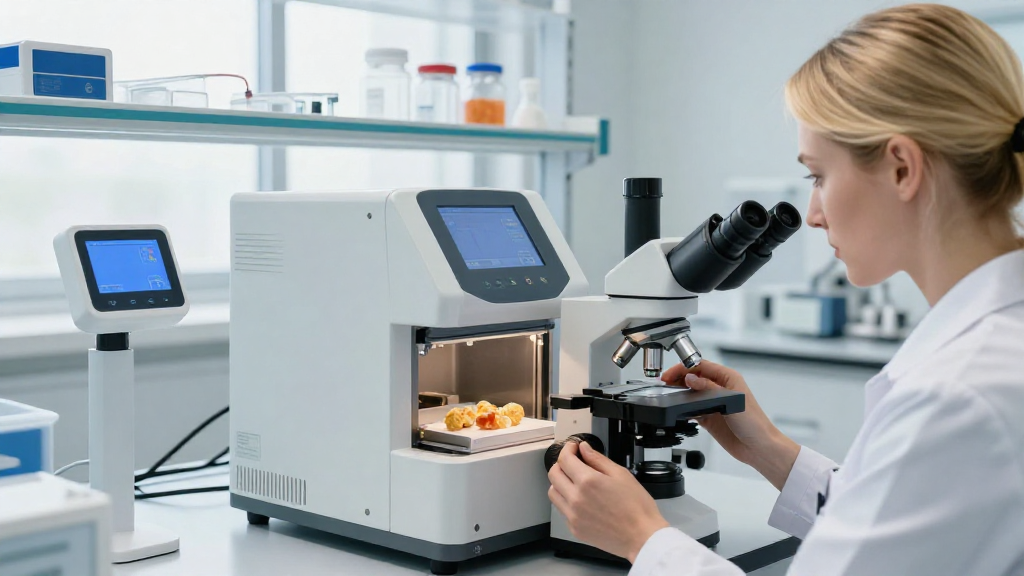
In today’s fast-paced world, ensuring that the food we consume is safe is more crucial than ever, and food safety technology plays a vital role in this endeavor.
What Is Food Safety Technology?
Food safety technology encompasses a range of tools, methods, and innovations designed to maintain and enhance the safety, quality, and integrity of food products throughout their lifecycle.
This includes everything from the farm to the table, with an emphasis on:
- Preventing contamination
- Monitoring conditions
- Ensuring compliance with safety standards
By utilizing advanced technologies, businesses can reduce risks, improve transparency, and enhance overall consumer trust.
How Do Technologies Monitor Food Safety?
Monitoring is one of the most significant components of food safety technology. Various advancements make it possible for companies to keep track of food safety conditions at all stages. Here are some key technologies used:
-
IoT Sensors: Internet of Things (IoT) sensors can be deployed in storage facilities, kitchens, and transportation. These sensors continuously monitor temperature, humidity, and other critical parameters.
- Benefits: Real-time alerts can be sent to managers, allowing for immediate action to prevent spoilage or contamination.
-
RFID Tagging: Radio-frequency identification (RFID) tags help in tracking food items throughout the supply chain.
- Benefits: This technology ensures traceability, which is crucial in the event of a recall.
-
Blockchain: Utilizing blockchain technology can transform food safety by providing transparent and immutable records of the entire food supply chain.
- Benefits: This can aid in verifying food sourcing, processing, and distribution, ultimately enhancing consumer trust.
What Role Do Automation and Robotics Play?
Automation and robotics are becoming increasingly integral to food safety technology. They streamline processes and reduce the likelihood of human error. Here’s how:
-
Automated Cleaning Systems: These systems ensure that production environments are sanitized to meet safety regulations.
- Benefits: Automated cleaning reduces human exposure to potentially hazardous materials and ensures a consistent level of cleanliness.
-
Robotic Sorting: Robots can be equipped with visual recognition systems to identify and sort food items based on quality.
- Benefits: This reduces the risk of contaminated items making it into the food supply.
-
AI and Machine Learning: These technologies analyze vast amounts of data to predict potential food safety issues.
- Benefits: By identifying patterns and anomalies in food-related data, businesses can proactively address safety concerns.
How Is Data Analytics Improving Food Safety?
Data analytics is a game-changer in the realm of food safety technology. By harnessing data from various sources, companies can enhance their food safety protocols.
-
Predictive Analytics: By analyzing historical data, businesses can identify trends and predict possible safety risks.
- Benefits: Companies can improve their response strategies and mitigation plans.
-
Supply Chain Analytics: Monitoring suppliers and their practices helps in ensuring that safety standards are met consistently.
- Benefits: This helps businesses stay compliant with regulations and reduces the risk of contamination.
-
Consumer Feedback Systems: Data analytics allows companies to gather and analyze consumer feedback effectively.
- Benefits: Timely adjustments can be made in response to customer concerns about food safety.
What Technologies Are Used for Food Testing?
Food testing technologies are essential for verifying safety and quality. Emerging methods include:
-
Rapid Pathogen Detection: Advanced molecular techniques can quickly identify harmful pathogens in food samples.
- Benefits: Faster detection leads to quicker responses to potential threats, thereby safeguarding public health.
-
Portable Testing Devices: These devices allow food producers to test their products onsite, ensuring adherence to safety standards before distribution.
- Benefits: Immediate feedback helps in making quick decisions to prevent foodborne illnesses.
-
DNA Barcoding: This technology verifies food authenticity and can identify potential allergens or unwanted ingredients.
- Benefits: By ensuring that food matches its labeling, companies can prevent allergenic reactions and fraud.
How Can Blockchain Enhance Transparency?
Blockchain technology is a hot topic in the realm of food safety technology due to its ability to provide a transparent food supply chain. Here’s how it improves transparency and accountability:
-
Immutable Records: Each transaction on a blockchain is recorded permanently, meaning that the origin and journey of food products can be traced easily.
- Benefits: Consumers can scan QR codes or access details through apps to learn about the safety practices followed for their food.
-
Reduced Fraud: With every step recorded, it becomes nearly impossible to misrepresent food products.
- Benefits: This builds consumer trust and protects brand reputations.
-
Enhancing Recall Efficiency: In case of a food safety issue, blockchain allows for quicker identification of affected products.
- Benefits: This can potentially save lives by rapidly removing hazardous items from shelves.
How Are Smart Kitchens and App Solutions Transforming Food Safety?
Innovations in kitchen technology and mobile applications are revolutionizing how we approach food safety at home and in commercial kitchens.
-
Smart Appliances: Refrigerators and ovens with built-in sensors can monitor food freshness and cooking temperatures automatically.
- Benefits: They reduce the chances of undercooked or spoiled food, ensuring safety.
-
Mobile Apps: Applications can help consumers track food expiration dates and suggest recipes based on what’s currently safe to consume.
- Benefits: This encourages better food handling and reduces waste.
-
Recipe Safety Guides: Some apps include safety guidelines for meal preparation, ensuring that proper hygiene practices are followed.
- Benefits: This educates users about the importance of food safety while cooking.
Conclusion: Why Is Food Safety Technology Critical?
Food safety technology is essential for safeguarding public health and ensuring the integrity of our food supply chain. By leveraging the latest advancements in monitoring, automation, data analytics, testing, and transparency, businesses are better equipped to handle food safety challenges.
Consumers also benefit immensely from these technologies. They can make informed choices, have better access to food safety information, and enjoy greater peace of mind about what they eat.
Overall, as technology continues to evolve, the future of food safety looks promising. Businesses that prioritize these advancements not only protect their customers but also build trust and loyalty in the marketplace.
In a world where the safety of food is paramount, investing in food safety technology is not just a trend—it’s a necessity.