Ensuring the safety of the food we consume is crucial. This article will guide you through essential food safety measures at home, helping you keep your kitchen and meal-preparation spaces safe from contamination.
What Are Food Safety Measures at Home?
Food safety measures at home involve a set of practices designed to prevent foodborne illnesses, ensure proper food handling, and maintain hygiene in the kitchen.
By understanding and implementing these practices, you can protect yourself and your family from potential health risks associated with improper food handling.
Let’s explore some of the fundamental food safety measures everyone should adopt in their home.
How Can You Keep Your Kitchen Clean?
Cleaning and sanitizing your kitchen is the first line of defense in maintaining food safety measures at home. Here are some effective cleaning practices to follow:
-
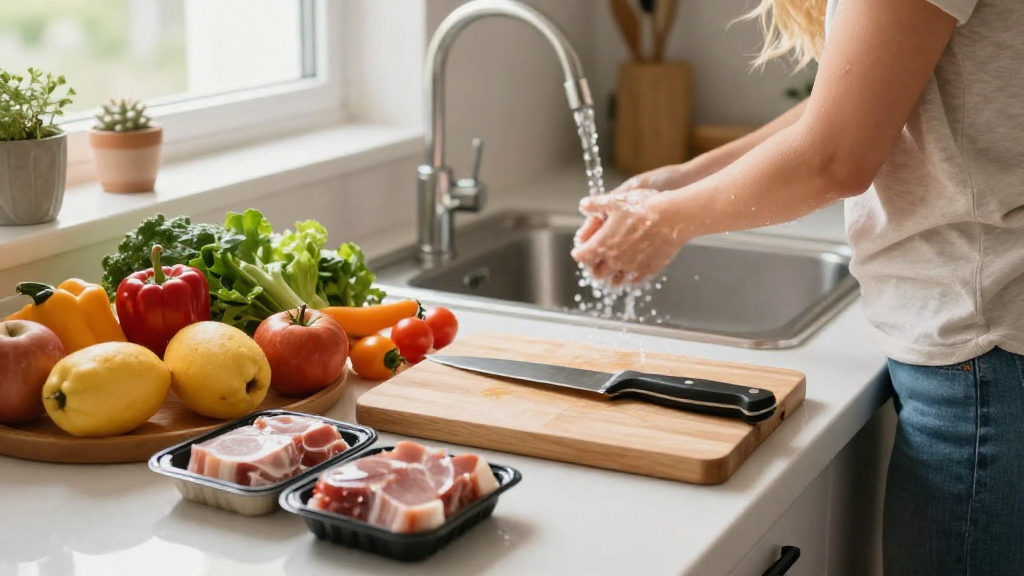
Wash your hands: Always wash your hands with soap and warm water for at least 20 seconds before and after handling food.
-
Clean surfaces: Wipe down countertops, cutting boards, and kitchen utensils with hot soapy water or sanitizing solutions before and after food preparation.
-
Use separate cutting boards: Designate separate cutting boards for raw meats and other foods to avoid cross-contamination.
-
Regular appliance cleaning: Regularly clean kitchen appliances like ovens, microwaves, and refrigerators to keep them free from spills and debris.
What Are the Best Practices for Food Storage?
Proper food storage is another critical aspect of food safety measures at home. Here’s how you can achieve optimal food storage:
-
Check temperatures: Refrigerators should be set at 40°F (4°C) or below, while freezers should be at 0°F (-18°C).
-
Use airtight containers: Store leftovers in airtight containers to prevent contamination and extend shelf life.
-
Label and date: Always label and date your food items in storage to keep track of freshness.
-
Store raw meat separately: Keep raw meat on the bottom shelf of your refrigerator to prevent any juices from dripping onto other foods.
-
Know the shelf life: Familiarize yourself with the shelf life of various foods. Discard anything that looks, smells, or feels off.
How Can You Safely Prepare Food?
Food preparation is where many food safety measures at home can be overlooked. Implement these practices to ensure safe food preparation:
-
Thaw foods safely: Always thaw frozen foods in the refrigerator, cold water, or microwave, but never at room temperature.
-
Cook foods thoroughly: Use a food thermometer to ensure that meats are cooked to safe internal temperatures:
- Poultry: 165°F (74°C)
- Ground meats: 160°F (71°C)
-
Whole cuts of beef, pork, and lamb: 145°F (63°C)
-
Avoid cross-contamination: Use different utensils and cooking surfaces for raw and cooked foods.
-
Keep food covered: While preparing food, keep it covered to reduce the risk of contamination from airborne bacteria.
Why Is Personal Hygiene Important in Food Safety?
Personal hygiene plays a significant role in maintaining food safety measures at home. Here’s what you can do to keep yourself hygienic in the kitchen:
-
Wear clean clothing: Ensure that you are in clean clothes, aprons, and hair restraints if necessary.
-
Avoid touching your face: When handling food, minimize touching your face, hair, or any other body part to prevent bacteria transfer.
-
Sick days: If you are feeling unwell, avoid preparing food, as germs can easily spread this way.
How Can You Ensure Safe Food Handling?
Safe food handling practices are fundamental to food safety measures at home.
Take these steps to ensure that the food you handle remains safe:
-
Use clean utensils: Make sure that all utensils, including knives and cutting boards, are clean before use.
-
No double-dipping: Avoid tasting food with the same utensil you’re using in the pot or mixing bowl.
-
Serve food promptly: As soon as your meal is prepared, serve it immediately. If it’s not going to be served, keep it hot (above 140°F or 60°C) or cool (below 40°F or 4°C).
How Can You Be Aware of Food Recalls and Safety Alerts?
Staying informed about food recalls and safety alerts is crucial for ensuring that you practice effective food safety measures at home.
Here’s how you can stay aware:
-
Follow local health department updates: Check your local health department’s website regularly for any alerts or recalls.
-
Use food safety apps: There are various smartphone apps available that send notifications about food recalls and safety warnings.
-
Read packaging labels carefully: Always read ingredient lists and safety warnings on packaging to stay informed about what you’re consuming.
How Can You Educate Others on Food Safety?
If you’re already practicing food safety measures at home, why not share your knowledge with others?
-
Host workshops: Organize cooking classes or workshops focused on food safety tips.
-
Share via social media: Utilize your social media platforms to share educational posts and resources about food safety.
-
Discuss with family: Create family discussions about the importance of food safety and how everyone can contribute.
Conclusion
Implementing specific food safety measures at home is essential for protecting your family from foodborne illnesses.
By following these guidelines—cleaning and sanitizing, proper food storage, safe food preparation, maintaining personal hygiene, and staying informed—you can create a healthier, safer kitchen environment.
Always strive for the highest food safety standards, and remember that prevention is the best approach to keeping food safe and secure for everyone in your home.