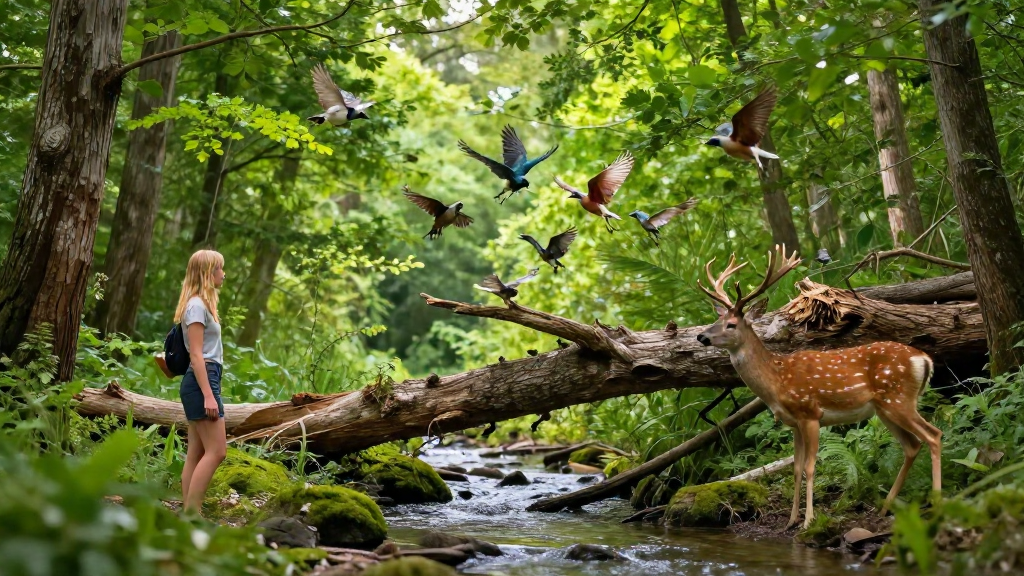
Food chain disruption can have far-reaching consequences for ecosystems and human society alike.
Understanding the intricate balance of food chains helps us comprehend the potential impact of these disruptions. When a food chain is disrupted, it can lead to a series of cascading effects that impact everything from local wildlife populations to human food sources.
What Is a Food Chain and Why Is It Important?
A food chain is a linear sequence of organisms through which nutrients and energy pass as one organism eats another. Here are the basic levels of a food chain:
-
Producers: These are typically plants that convert sunlight into energy via photosynthesis.
-
Primary Consumers: These organisms eat producers. An example is herbivores like rabbits.
-
Secondary Consumers: These are carnivores that eat herbivores, such as foxes.
-
Tertiary Consumers: These are top predators in the food chain, such as eagles or wolves.
Understanding this hierarchy is crucial for maintaining balanced ecosystems. Each level serves as a vital link in the food web that sustains various species, including humans.
What Causes Food Chain Disruption?
Food chain disruption can occur due to a variety of factors, including:
-
Environmental Changes: Global warming, habitat destruction, and pollution can alter the natural habitats of various species.
-
Invasive Species: Non-native species may outcompete local species for resources, disrupting existing food chains.
-
Overfishing and Hunting: Overexploitation of certain species can lead to significant population declines, affecting entire ecosystems.
-
Disease: Outbreaks can decimate species populations, breaking links in the food chain.
These factors interlink and can result in a complex cascade of consequences.
What Are the Effects of Food Chain Disruption?
How Does Disruption Affect Ecosystems?
When food chain disruption occurs, it can lead to:
-
Population Decline: If predators disappear, prey populations may surge, leading to overgrazing or overbrowsing of plants.
-
Biodiversity Loss: The extinction of a single species can destabilize an entire ecosystem, causing a ripple effect that impacts numerous others.
-
Habitat Change: More herbivores can lead to vegetation loss, transforming landscapes and potentially leading to desertification.
-
Species Adaptation or Extinction: Some species may adapt to the changing environment, while others may face extinction.
What Are the Societal Implications of Food Chain Disruption?
Food chain disruption has dire consequences for human society as well, including:
-
Food Security: Changes in wildlife populations and plant health can reduce available food supplies. This can lead to higher prices and scarcity of certain foods.
-
Economic Impact: Industries such as fishing and agriculture depend on stable ecosystems. Disruptions can lead to economic losses.
-
Health Risks: Disrupted ecosystems may foster conditions for new diseases to emerge, posing health risks to humans as well.
-
Cultural Impact: Many cultures rely on specific wildlife or plants for traditional practices and identities. Disruption can erode these cultural connections.
Are There Examples of Food Chain Disruption?
What Real-World Examples Illustrate Food Chain Disruption?
Several notable examples highlight the impact of food chain disruption:
-
The Wolves in Yellowstone: When wolves were reintroduced to Yellowstone National Park, they helped stabilize the deer population, which allowed vegetation to recover. This demonstrates the importance of top predators in maintaining ecosystem balance.
-
Overfishing in the Atlantic: Overfishing of cod in the North Atlantic has led to declines in fish populations, which in turn has affected species that rely on cod as a food source.
-
Great Barrier Reef Coral Bleaching: Climate change is causing coral bleaching, disrupting marine food chains. This affects fish populations that rely on coral for habitat and food.
What Does Research Say About Food Chain Disruption?
Studies illustrate that food chain disruption can lead to irreversible changes in ecosystems. Ecologists have documented:
– Cascading Effects: Removing a single species can lead to population booms and busts that destabilize entire ecosystems.
- Modeling Future Scenarios: Data-driven models help predict how food chain disruption might unfold, enabling better conservation efforts.
What Can Be Done to Mitigate Food Chain Disruption?
How Can Communities Respond to Food Chain Disruption?
Communities can take several actions to mitigate the effects of food chain disruption, including:
-
Sustainable Practices: Encourage sustainable fishing and farming practices to preserve biodiversity.
-
Conservation Efforts: Support environmental conservation organizations dedicated to protecting vulnerable ecosystems.
-
Community Awareness: Educate local communities about the importance of respecting wildlife and their habitats.
-
Government Policies: Advocate for environmental regulations that protect endangered species and reduce pollution.
What Role Does Education Play?
Education is vital for fostering a deeper understanding of food chains and their significance. By educating the public about food chain disruption, we can promote responsible behavior towards nature and emphasize the importance of preserving ecosystems.
Conclusion: Why Understanding Food Chain Disruption Matters
Food chain disruption poses a serious threat to ecosystems and human well-being.
From local communities to global societies, the implications are extensive.
Through awareness, education, and active participation in conservation efforts, we can mitigate the impacts of food chain disruption and work toward a more balanced coexistence with our planet’s diverse ecosystems.
Ultimately, understanding what happens when a food chain is disrupted is a critical step in taking action to preserve the natural world for future generations.
By recognizing the interconnectedness of life, we can foster a healthier planet.