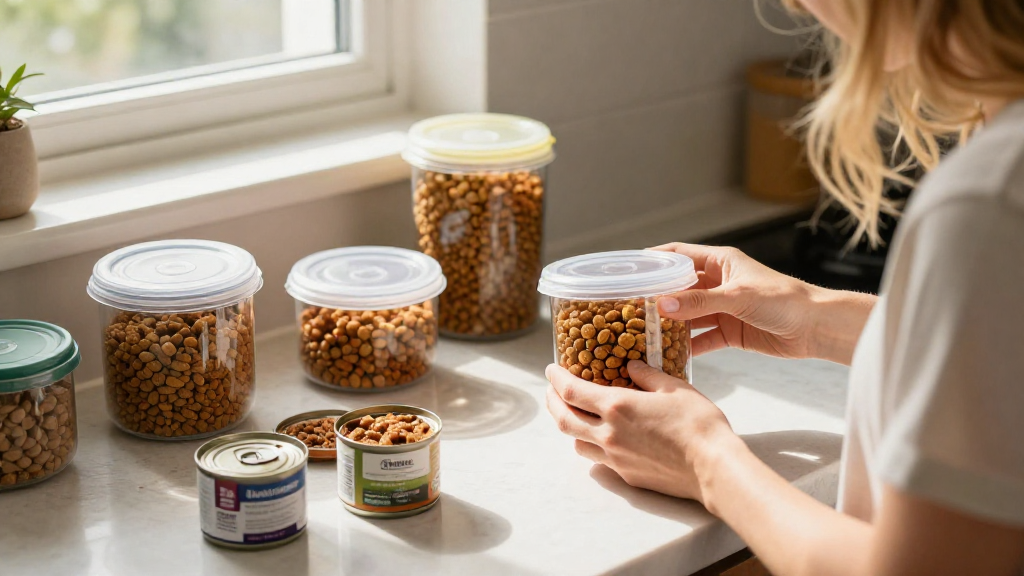
When it comes to pet care, food safety for pets is paramount. Ensuring the safety of the food your furry friend consumes is essential for their health and well-being.
What Does Food Safety for Pets Entail?
Food safety for pets encompasses various practices that prevent contamination and spoilage of pet food.
These practices include:
- Proper storage of pet food
- Understanding expiration dates
- Maintaining hygiene during feeding
- Monitoring food recalls
By following these guidelines, you can significantly reduce the risk of foodborne illnesses in your pets.
How Should You Store Pet Food?
Proper storage is a crucial aspect of food safety for pets. Storing pet food correctly will help maintain its quality and prevent contamination.
Here are some key storage tips:
-
Keep it Sealed:
– Always store pet food in its original packaging or transfer it to an airtight container.
– Oxygen can degrade food quality, leading to spoilage. -
Choose the Right Location:
– Store pet food in a cool, dry place away from direct sunlight.
– Humidity and heat can promote mold and bacterial growth. -
Check for Pests:
– Regularly inspect the storage area for signs of pests.
– If you notice insects, it may be time to dispose of the food. -
Use the FIFO Method:
– Follow the “First In, First Out” method to use older food before newer stock.
– This practice minimizes the risk of feeding expired food to your pets.
When Should You Check Expiration Dates?
Understanding expiration dates is a critical factor in food safety for pets. Many pet owners overlook this important detail, putting their pets at risk for various health issues.
Here’s what to keep in mind:
-
Understand Different Dates:
– Best By Date: Indicates when the food is at its peak quality.
– Use By Date: Refers to the final day the food should be consumed for optimal safety. -
Discard Expired Food:
– Do not feed your pet food that has passed its expiration date.
– Improperly stored or old food can lead to gastrointestinal issues. -
Inspect Packaging:
– Look for signs of damage to the packaging.
– If the bag is torn or compromised, consider the food unsafe, regardless of the expiration date.
How Can You Maintain Hygiene During Feeding?
Maintaining hygiene during feeding contributes significantly to food safety for pets. It helps minimize cross-contamination and keeps your pet’s environment clean.
Follow these best practices:
-
Wash Bowls Regularly:
– Clean your pet’s food and water bowls daily with hot, soapy water.
– Rinse thoroughly and allow to dry completely before refilling. -
Use Clean Utensils:
– Always serve food with clean utensils.
– Avoid using your hands to transfer food to your pet’s bowl. -
Store Leftovers Properly:
– If you prepare homemade pet food, store leftovers in an airtight container in the refrigerator.
– Consume leftovers within 3-4 days to prevent spoilage. -
Sanitize Surfaces:
– Wipe down feeding areas with pet-safe disinfectants regularly.
– This will help eliminate bacteria or contaminants that can affect your pet’s health.
What Should You Know About Food Recalls?
Food recalls can happen for various reasons, and staying informed is crucial for food safety for pets.
Here’s how to manage food recalls:
-
Stay Updated:
– Sign up for alerts from organizations like the FDA or your pet food brand.
– Regular updates will ensure you are informed of any potential issues. -
Check Product Details:
– If a recall is issued, check the specific product your pet consumes.
– Look for batch numbers, dates, and other identifiers provided in the recall notice. -
Dispose of Affected Products:
– If your pet’s food is recalled, dispose of it immediately to prevent accidental feeding.
– Consider contacting the company for a refund or replacement. -
Monitor Your Pet’s Health:
– After feeding recalled products, be vigilant for signs of distress or illness.
– Consult your veterinarian if you notice any unusual behavior or symptoms.
How Can You Choose Safe Pet Food Products?
Selecting the right pet food is a fundamental aspect of food safety for pets. It’s essential to choose high-quality products that meet specific safety standards.
Tips for choosing safe pet food:
-
Look for Reputable Brands:
– Choose brands that have a good reputation for safety and quality.
– Research the manufacturer’s history regarding recalls and complaints. -
Read Labels Carefully:
– Look for foods that have a clear ingredient list without fillers or artificial additives.
– Ensure the product meets the nutritional guidelines set by the AAFCO (Association of American Feed Control Officials). -
Consult with Your Veterinarian:
– Your veterinarian can recommend specific brands or products based on your pet’s needs.
– Regular consultations help ensure you’re making informed decisions. -
Consider Your Pet’s Needs:
– Different pets have unique dietary requirements based on their age, breed, and health.
– Tailor their diet to suit their specific needs for optimal health.
Why Is Food Safety for Pets Important?
Food safety for pets isn’t just a precaution; it’s a necessity. Feeding your pet safe, high-quality food contributes to their overall health.
The consequences of neglecting food safety can include:
- Foodborne Illnesses:
- Pets can suffer from symptoms like vomiting, diarrhea, and lethargy.
-
Some cases can be serious and require veterinary intervention.
-
Nutritional Deficiencies:
- Poor-quality food may lack essential nutrients, affecting growth and vitality.
-
Chronic deficiencies can lead to long-term health issues.
-
Increased Vet Visits:
- Frequent illnesses due to unsafe food can lead to increased veterinary expenses.
- Prevention is far less costly than treatment.
In conclusion, ensuring food safety for pets is vital in maintaining their health and happiness. By following these tips on storage, hygiene, and food selection, you can provide a safe eating environment for your beloved companions. Empower yourself with knowledge, and make informed choices for your pet’s well-being.