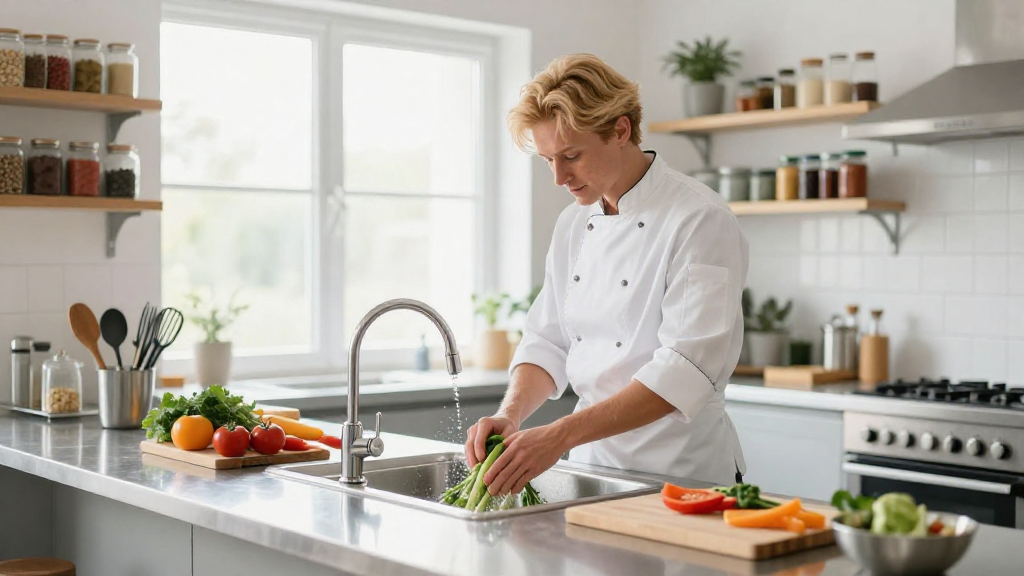
Food hygiene for chefs is a critical component of running a successful kitchen and ensuring the safety of the food served to customers.
Good food hygiene practices not only help prevent foodborne illnesses but also maintain a positive reputation for any culinary establishment. In the world of gastronomy, understanding and implementing food hygiene standards is fundamental for chefs at all levels, from novice cooks to seasoned professionals.
Why is Food Hygiene Important for Chefs?
Food hygiene refers to the proper handling, preparation, and storage of food to minimize the risk of contamination and foodborne illnesses. For chefs, maintaining high standards of hygiene is not optional; it’s a legal requirement in many countries.
A single outbreak of food poisoning can:
- Harm customers’ health: Foodborne illnesses can lead to severe medical conditions or even death.
- Damage a restaurant’s reputation: Negative reviews and bad press can be devastating.
- Lead to legal repercussions: Non-compliance with food safety regulations can result in fines and other legal actions.
By following established food hygiene for chefs, culinary professionals can help provide a safe dining experience and build customer trust.
What are the Essential Food Hygiene Practices for Chefs?
To ensure that food hygiene standards are met, chefs should adopt several key practices. Here are the essential food hygiene practices every chef should follow:
1. Hand Washing Practices
Why is hand washing crucial?
Hand washing is one of the most effective ways to prevent foodborne illnesses.
Step-by-step hand washing procedure:
- Wet your hands with clean, running water (warm or cold).
- Apply soap and lather for at least 20 seconds.
- Scrub all parts of your hands, including between fingers and under nails.
- Rinse thoroughly under running water.
- Dry your hands using a clean towel or air dry.
When should chefs wash their hands?
- Before preparing food
- After handling raw meat, poultry, or seafood
- After using the restroom
- After spending time in public places
- After touching the face or hair
2. Proper Food Storage Techniques
Why is food storage important?
Incorrect storage can lead to contamination and spoilage.
Key principles of food storage include:
- Keep raw and cooked foods separate: Use different utensils, cutting boards, and storage containers to avoid cross-contamination.
- Store food at appropriate temperatures: Refrigerate perishable items at or below 40°F (4°C) and keep hot foods above 140°F (60°C).
- Label and date food items: Use a FIFO (First In, First Out) method to ensure that older stock is used first.
3. Food Preparation Safety
How can chefs ensure safe food preparation?
Safe food preparation involves several steps to mitigate risks.
Guidelines include:
- Clean surfaces and utensils: Sanitize preparation areas and tools before and after use.
- Cook food to safe temperatures: Use a food thermometer to ensure that meats reach the recommended internal temperatures:
- Poultry: 165°F (74°C)
- Ground meats: 160°F (71°C)
- Fish: 145°F (63°C)
4. Understanding Food Allergies and Intolerances
Why should chefs be aware of food allergies?
With increasing rates of food allergies, being knowledgeable can save lives.
Crucial attention points for chefs:
- Know common allergens: Ingredients such as peanuts, tree nuts, dairy, eggs, wheat, soy, fish, and shellfish.
- Communicate with customers: Always inquire about dietary restrictions and allergies when taking orders.
- Prevent cross-contact: Use separate equipment and tools for allergenic foods.
5. Regular Kitchen Cleanliness
How often should kitchens be cleaned?
Regular cleaning is essential for a hygienic kitchen.
Key cleaning tasks include:
- Daily sweeping and mopping of floors
- Regular cleaning of kitchen equipment
- Sanitizing countertops and work surfaces
- Proper disposal of waste and garbage
6. Keeping Kitchen Staff Informed
How important is training in food hygiene?
Ongoing training is vital for maintaining standards.
Training should cover:
- Food safety regulations and guidelines
- Personal hygiene practices
- Proper food handling techniques
7. Regular Monitoring and Record Keeping
How can monitoring improve food hygiene?
Establishing routine checks ensures that food hygiene practices are adhered to.
Strategies for effective monitoring include:
- Temperature logs: Document temperatures of storage areas and cooked foods.
- Cleaning schedules: Maintain records of daily, weekly, and monthly cleaning tasks.
- Training updates: Keep a record of staff training sessions and certifications.
What Resources Can Chefs Use to Enhance Food Hygiene?
Many resources are available to help chefs enhance food hygiene practices. Consider exploring the following options:
- Local health departments: They often provide food hygiene training and resources.
- Online courses: Websites offer certifications in food safety that can provide valuable knowledge.
- Cookbooks and journals: These often include sections on food hygiene best practices.
- Industry seminars and workshops: Attending events can help chefs stay updated on the latest food safety regulations and trends.
Conclusion: Making Food Hygiene a Priority
Food hygiene for chefs is vital to ensure the safety of customers and the integrity of culinary establishments.
By adopting essential food hygiene practices and instilling a culture of safety, chefs can effectively reduce the risk of foodborne illnesses and enhance customer satisfaction.
By consistently practicing good hygiene, chefs not only protect themselves and their customers but also contribute to a healthier dining experience for everyone involved.
Whether you’re a budding chef or a seasoned pro, prioritizing food hygiene can make a significant difference in your culinary journey and professional reputation.
Quick Recap of Food Hygiene Practices:
- Hand washing: Wash hands frequently and correctly.
- Food storage: Store food properly and separately.
- Preparation safety: Clean surfaces and cook food to safe temperatures.
- Food allergies: Be aware of and communicate allergies and intolerances.
- Kitchen cleanliness: Maintain regular cleaning schedules.
- Staff training: Keep team members informed and trained.
- Monitoring: Regularly monitor food safety practices and keep records.
By incorporating these practices into daily operations, chefs can ensure that their kitchens are safe and hygienic, enabling them to focus on what they do best: creating delicious dishes.