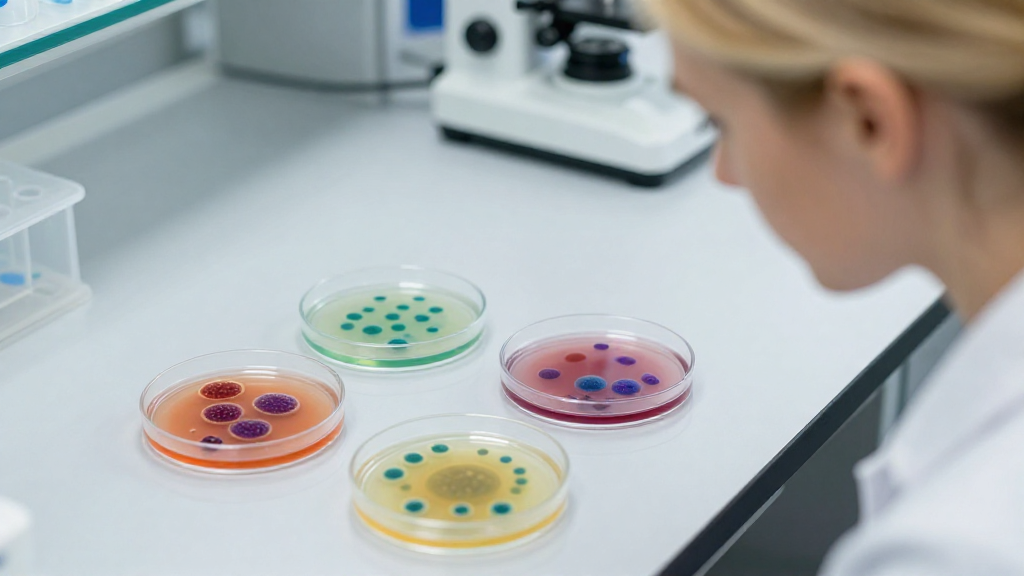
Foodborne bacteria types are critical to understand for anyone concerned about food safety and public health.
In this article, we will cover the main types of foodborne bacteria, how they affect our health, and what steps can be taken to minimize the risks associated with consuming contaminated food.
Why Are Foodborne Bacteria Types Important?
Foodborne bacteria are pathogens that can cause illness when we consume contaminated food or beverages.
Understanding the types of foodborne bacteria can help us identify potential health risks and implement proper food handling and cooking practices.
What Are the Main Foodborne Bacteria Types?
Here are the most notable foodborne bacteria types to be aware of:
- Escherichia coli (E. coli)
- Overview: E. coli is a type of bacteria commonly found in the intestines of healthy humans and animals.
- Health Risks: Certain strains, like E. coli O157:H7, can cause severe foodborne illness, leading to symptoms such as stomach cramps, diarrhea (often bloody), and vomiting.
- Sources: Undercooked ground beef, unpasteurized milk, and contaminated vegetables.
- Salmonella
- Overview: Salmonella is one of the most common foodborne bacteria types, accounting for millions of illnesses each year.
- Health Risks: It causes salmonellosis, characterized by fever, diarrhea, and abdominal cramps.
- Sources: Raw or undercooked poultry, eggs, and sometimes found in unwashed fruits and vegetables.
- Listeria monocytogenes
- Overview: Listeria is a bacteria that can grow at refrigerator temperatures, making it particularly concerning.
- Health Risks: Listeriosis affects pregnant women, newborns, the elderly, and immunocompromised individuals, potentially leading to severe complications.
- Sources: Processed meats, unpasteurized dairy products, and ready-to-eat foods.
- Campylobacter
- Overview: Campylobacter is a leading cause of bacterial food poisoning worldwide.
- Health Risks: Infection typically results in diarrhea, cramping, fever, and vomiting.
- Sources: Undercooked poultry, contaminated water, and unpasteurized milk.
- Clostridium perfringens
- Overview: This bacteria is often associated with large-scale food poisoning outbreaks.
- Health Risks: Symptoms include diarrhea and abdominal cramps, usually occurring 6 to 24 hours after consuming contaminated food.
- Sources: Foods that have been improperly stored or cooked, particularly meat and poultry dishes.
- Staphylococcus aureus
- Overview: This bacteria is commonly found on the skin and in the noses of healthy people.
- Health Risks: It can produce toxins that cause food poisoning, leading to nausea, vomiting, and abdominal cramps within hours of ingestion.
- Sources: Improperly stored or handled food, particularly those high in protein like meats and dairy products.
- Shigella
- Overview: Shigella is a group of bacteria that can cause gastroenteritis.
- Health Risks: Symptoms include diarrhea, fever, and stomach cramps, often leading to severe dehydration.
- Sources: Contaminated water, salads, and foods handled by someone who didn’t wash their hands properly.
How Can Foodborne Bacteria Types Be Prevented?
Preventing foodborne illnesses caused by these bacteria types is essential for maintaining good health. Here are some tips:
- Wash Hands Frequently: Always wash your hands before handling food and after using the bathroom.
- Cook Food Thoroughly: Ensure that meats are cooked to the appropriate internal temperatures.
- Store Food Properly: Refrigerate perishable items promptly and thaw food in the refrigerator.
- Avoid Cross-Contamination: Use separate cutting boards for raw meat and vegetables, and clean utensils and surfaces between tasks.
What Are the Symptoms of Foodborne Illness?
The symptoms of foodborne illness can vary depending on the specific foodborne bacteria type involved, but general signs include:
- Nausea
- Vomiting
- Diarrhea
- Abdominal cramps
- Fever
If you experience severe symptoms, such as high fever, prolonged vomiting, or signs of dehydration, it’s crucial to seek medical attention.
Who Is Most at Risk for Foodborne Bacteria Types?
Certain populations are at a higher risk for severe complications from foodborne illnesses. These include:
- Pregnant Women: Increased vulnerability to listeriosis, which can harm the fetus.
- Young Children: Immature immune systems make them more susceptible.
- Elderly Individuals: Age-related immune system decline increases risk.
- Immunocompromised Individuals: Those with weakened immune systems due to conditions like HIV/AIDS or cancer treatments.
What Should You Do If You Suspect Foodborne Illness?
If you suspect that you have contracted an illness from foodborne bacteria types:
- Stay Hydrated: Drink plenty of fluids to prevent dehydration, especially if experiencing vomiting or diarrhea.
- Monitor Symptoms: Keep track of your symptoms, and consult a healthcare provider if they worsen or do not improve.
- Report the Incident: Inform your local health department if you suspect a food source to help prevent others from becoming ill.
Conclusion
Understanding foodborne bacteria types is essential for preventing foodborne illnesses.
By recognizing the most common bacteria and implementing effective food safety practices, we can significantly reduce the risk of illness and protect our health.
Taking these precautions ensures that you and your loved ones enjoy safe, delicious meals without the lurking threat of foodborne pathogens. Remember, a little knowledge can go a long way in keeping food-related illnesses at bay.