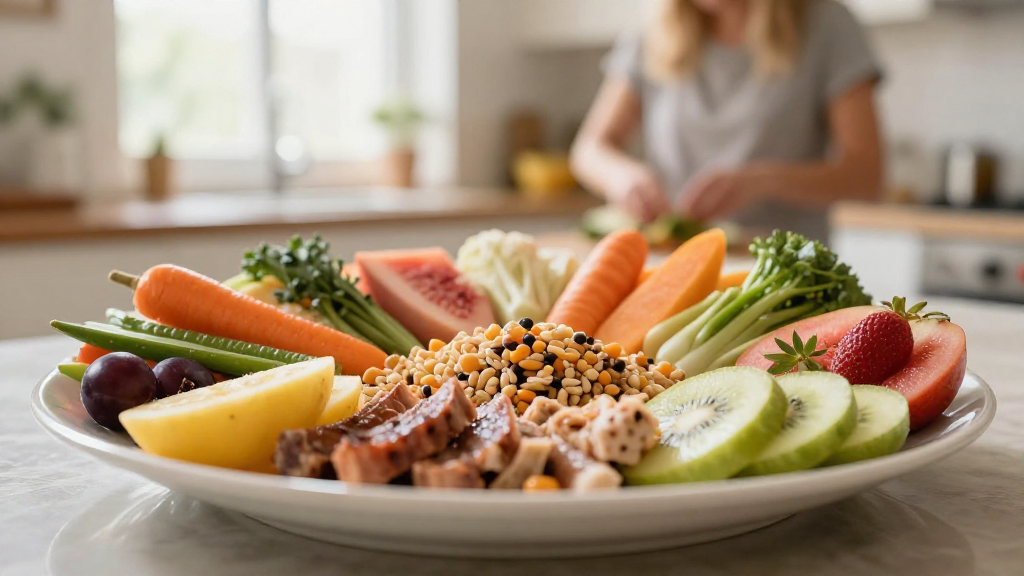
Food energy conversion is a vital process that allows our bodies to function and thrive.
From the moment we consume food, our bodies begin to break it down, extracting energy that fuels our daily activities.
What Is Food Energy Conversion?
Food energy conversion is the biochemical process through which our bodies transform the nutrients in food into usable energy.
This conversion is fundamental to every biological function, including:
- Movement: From simple actions like walking to complex athletic performance.
- Cellular Processes: Such as growth, repair, and maintenance of cells.
- Thermoregulation: Maintaining body temperature in varying conditions.
The body primarily uses carbohydrates, fats, and proteins as energy sources.
How Do Our Bodies Digest Food?
Understanding food energy conversion starts with the digestive system, which processes the food we eat through several key steps:
-
Ingestion: Food enters the body and is chewed to increase its surface area.
-
Mechanical Digestion: Through chewing and churning in the stomach, food is mixed with digestive enzymes.
-
Chemical Digestion: Enzymes break down complex compounds into simpler molecules.
After digestion, these nutrients—primarily glucose (from carbohydrates), fatty acids (from fats), and amino acids (from proteins)—enter the bloodstream.
Where Does Food Energy Conversion Occur?
The process of food energy conversion primarily takes place in the cells of the body.
More specifically, it occurs in:
-
The Mitochondria: Often referred to as the “powerhouses” of the cell.
-
The Cytoplasm: Where glycolysis, the initial breakdown of glucose, occurs.
Cells convert nutrients into energy in a highly intricate series of biochemical reactions, primarily through the following processes:
-
Glycolysis: This process occurs in the cytoplasm, where glucose is converted into pyruvate, generating a small amount of energy (ATP).
-
Krebs Cycle (Citric Acid Cycle): This takes place in the mitochondria, where pyruvate undergoes further conversion, producing energy carriers.
-
Electron Transport Chain: The final stage occurs in the inner mitochondrial membrane, where energy stored in electrons is used to produce the majority of ATP.
What Are the Energy Sources?
The three primary macronutrients contribute to food energy conversion:
- Carbohydrates: They are often the body’s preferred energy source.
- Once consumed, carbohydrates are broken down into glucose.
-
Glucose is then utilized for immediate energy or stored as glycogen for later use.
-
Fats: These are energy-dense macronutrients.
- Upon digestion, fats are broken down into fatty acids and glycerol.
-
They are often used for extended energy needs, especially during prolonged physical activity.
-
Proteins: Although not the primary energy source, proteins play a supporting role in food energy conversion.
- Proteins are broken down into amino acids.
- When necessary, the body can convert these amino acids into glucose through a process called gluconeogenesis.
How Is Energy Measured in Food?
The energy potential of food is typically measured in calories.
-
Kilocalories (Kcal): This is the amount of energy required to raise the temperature of one kilogram of water by one degree Celsius.
-
Calories: This is often used interchangeably with kilocalories in common language, though technically one kilocalorie equals 1,000 calories.
Consumers should be aware of how many calories they need based on their daily caloric requirements.
How Does Food Energy Conversion Relate to Exercise?
Food energy conversion is especially important when it comes to physical activity.
During exercise, our bodies rapidly utilize energy stored in:
-
Glycogen: The stored form of glucose primarily in the liver and muscles.
-
Fat Reserves: As glycogen stores deplete during prolonged exercise, the body shifts to burning more fat.
For different types of workouts, the body relies on different energy systems:
-
Anaerobic System: For quick bursts of energy (like sprinting), the body primarily uses glucose, resulting in lactate buildup.
-
Aerobic System: During longer, moderate-intensity activities (like jogging), the body efficiently uses oxygen to break down glucose and fat for energy.
What Factors Influence Food Energy Conversion?
Several factors affect how efficiently our bodies convert food into energy:
-
Metabolic Rate: Individuals with higher metabolic rates convert energy more quickly.
-
Age: Younger bodies often have quicker energy conversion rates than older individuals.
-
Physical Activity Level: Active individuals may have improved mechanisms for food energy conversion.
-
Nutrition: Diet plays a crucial role; a balanced diet enhances energy production, while deficiencies can hinder metabolism.
What Happens When Energy Conversion Goes Wrong?
Inefficient food energy conversion can lead to several health issues:
-
Obesity: Excess energy conversion from an overconsumption of calories may lead to weight gain.
-
Diabetes: Impaired insulin response can disrupt glucose metabolism and energy conversion.
-
Fatigue and Weakness: Poor nutrient absorption and metabolism may manifest as low energy levels.
How Can We Optimize Food Energy Conversion?
To ensure efficient food energy conversion, consider the following tips:
-
Balanced Diet: Ensure a mix of carbohydrates, proteins, and fats in your meals.
-
Stay Hydrated: Water is crucial for metabolic processes.
-
Regular Exercise: Engage in both aerobic and anaerobic workouts to enhance energy systems.
-
Sleep Well: Adequate rest allows for cellular recovery and optimal metabolic function.
-
Manage Stress: Chronic stress can impact metabolic rate, influencing energy conversion efficiency.
Conclusion
Understanding food energy conversion is essential for maintaining a healthy lifestyle.
By being aware of how our bodies process nutrients into energy, we can make informed choices that promote better health and performance.
With the right nutrition, physical activity, and lifestyle habits, we can enhance our body’s ability to convert food energy efficiently.
Incorporating these practices can lead to a more energetic life and improved overall well-being.