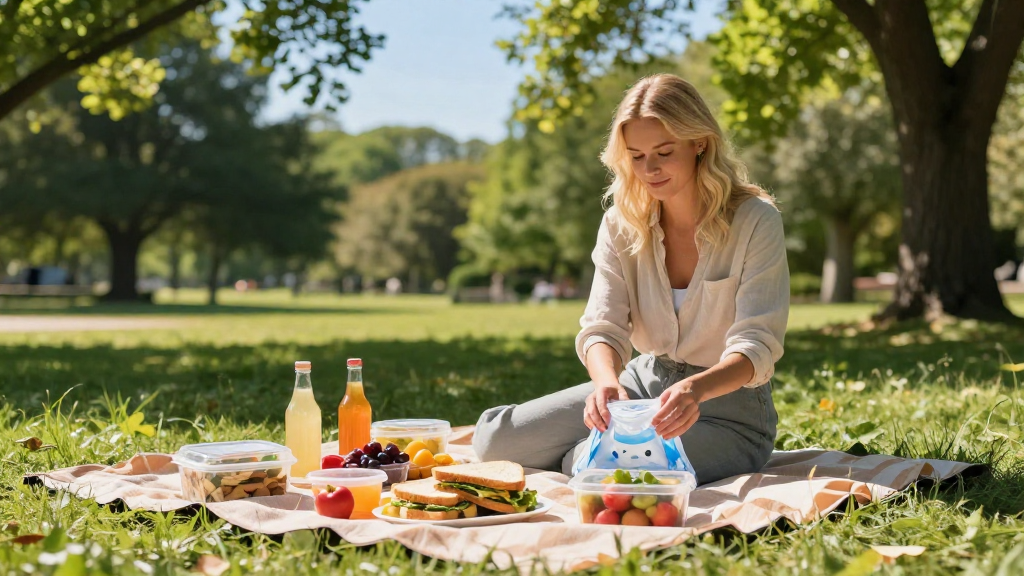
Maintaining food safety at picnics is essential for ensuring that your outdoor celebrations are enjoyable and free from foodborne illnesses.
What Are the Key Practices for Food Safety at Picnics?
When planning your picnic, consider these important practices to guarantee that your food remains safe:
-
Plan Ahead: Choose recipes that are less perishable and take into account the length of time food will be outside.
-
Use Insulated Coolers: Keep perishables, such as meats, dairy, and certain vegetables, in insulated coolers with plenty of ice packs. This helps maintain a temperature below 40°F.
-
Separate Raw and Cooked Foods: To prevent cross-contamination, ensure that raw meats and ready-to-eat foods are stored separately. Use separate utensils and cutting boards for each type.
-
Cook Thoroughly: Ensure meats are cooked to the appropriate internal temperatures. For example, chicken should reach 165°F, while burgers should be cooked to at least 160°F.
-
Wash Your Hands: Always wash your hands thoroughly with soap and water before and after handling food.
-
Use Clean Utensils and Plates: Ensure that all utensils, plates, and containers are clean. Avoid using the same utensils for raw and cooked food.
-
Serve Food Wisely: Set up a designated food area and ensure minimal exposure to dirt and insects. Cover food items with lids or aluminum foil.
How Long Can Food Stay Safe at a Picnic?
Understanding the timeline for food safety at picnics is crucial for preventing spoilage and contamination. Here are some general guidelines:
-
Perishable Foods: If the temperature exceeds 90°F, perishable foods should not sit out for more than one hour.
-
At 70°F – 80°F: They can be safe for two hours, but always monitor them closely.
-
Coolers: Foods kept in an insulated cooler with ice packs can last longer, often up to several hours, depending on the conditions outside.
What Types of Foods Are Best for Picnics?
Choosing the right foods can significantly improve your food safety at picnics. Here are some great options:
-
Fruits and Vegetables: Items like apples, oranges, carrot sticks, and bell pepper slices are typically safe and refreshing.
-
Non-perishable Snacks: Granola bars, nuts, and dried fruits are excellent choices because they don’t require refrigeration.
-
Wraps and Sandwiches: If you are making sandwiches, consider using sturdier breads and fillings that are less likely to spoil, such as hard cheeses, cured meats, or hummus.
-
Salads: Pasta salads and grain salads, prepared with sturdy ingredients like quinoa or whole beans, can be great choices.
Why Is Temperature Control Important for Food Safety at Picnics?
Temperature control is the key to preventing bacterial growth. Here’s how to manage it:
-
Chill: Always start with chilled items. Fill your cooler with ice to maintain a low temperature.
-
Heat: If you bring hot foods, use insulated containers to retain heat, and keep them above 140°F.
-
Check Temperatures: Use a food thermometer to ensure that cooked dishes like meats and casseroles are at a safe temperature.
How Can You Avoid Cross-Contamination?
Cross-contamination is one of the leading causes of foodborne illnesses, so it’s crucial to take precautionary measures:
-
Use Separate Containers: Store raw meats in their containers.
-
Disposable Utensils and Plates: Consider using disposable or biodegradable plates that will minimize cleanup and risk of contamination.
-
Wipe Surfaces: Bring disinfecting wipes to clean surfaces where food is being prepared.
-
Keep the Area Clean: Regularly remove any uneaten food or items that might attract pests.
What Should You Do If Food Safety Is Compromised?
In case you suspect that food safety has been compromised, it’s best to err on the side of caution. Here are some actions you can take:
-
Dispose of Suspicious Food: If there’s a possibility that food is not safe, throw it out.
-
Be Cautious with Leftovers: If food has been sitting out for too long, do not attempt to eat it.
-
Trust Your Senses: If food smells strange, has an unusual texture, or looks off, do not consume it.
What Are Common Foodborne Pathogens to Be Aware Of?
Awareness of potential pathogens can help with food safety at picnics. Common foodborne pathogens include:
-
Salmonella: Often found in raw or undercooked poultry and eggs.
-
E. coli: Can be present in contaminated water or undercooked beef.
-
Listeria: Found in unpasteurized dairy products and deli meats.
-
Norovirus: Highly contagious, often spread through contaminated food or surfaces.
To avoid these pathogens, always practice good hygiene and follow the proper food safety guidelines outlined above.
Conclusion: How to Enjoy a Safe Picnic Experience
Maintaining food safety at picnics is achievable with careful planning, appropriate food choices, and consistent hygiene practices.
By following the guidelines outlined in this article, you can enjoy your time in the great outdoors while keeping your food safe and delicious.
So pack your coolers, gather your friends and family, and create delicious memories while prioritizing safety!
By staying informed and prepared, you’ll ensure that every picnic is a fun and safe experience. Happy picnicking!