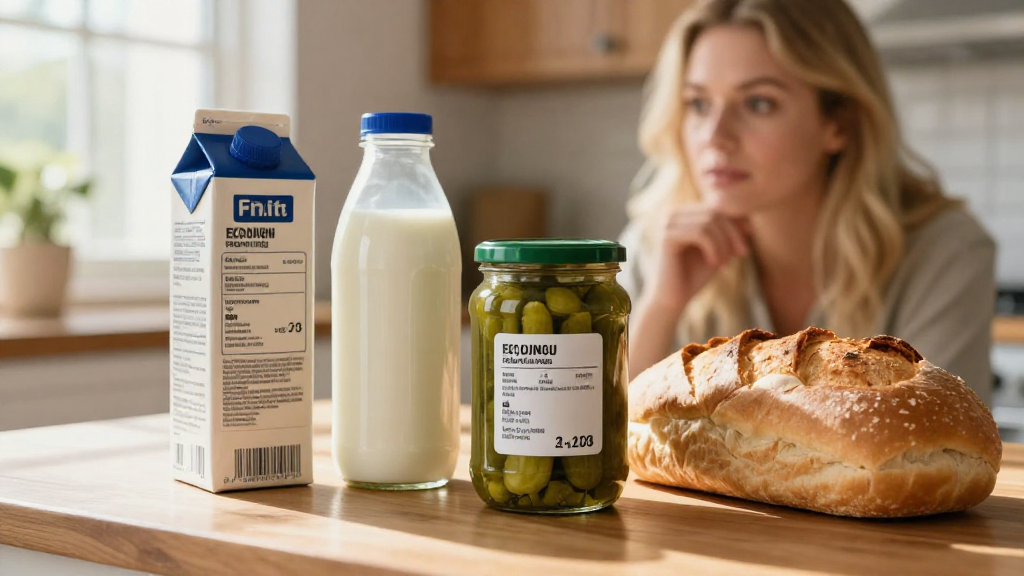
Understanding food expiration labeling is essential for maintaining food safety and minimizing waste.
In this article, we’ll explore the various types of food expiration labels, their meanings, and how to properly interpret them, so you can make informed choices about your food.
What Types of Food Expiration Labels Exist?
Food expiration labeling can be confusing, as different terms indicate different meanings regarding food safety and quality.
Here are the most common terms you’ll find on food labels:
-
Best By: This date suggests when a product will have the best flavor and quality. It’s not a safety date.
-
Sell By: This label is used by retailers to indicate the last day food should be sold. Foods may still be safe to consume after this date, provided they’ve been stored properly.
-
Use By: This is the last date recommended for the use of the product while at peak quality. It can also indicate when a product is no longer safe to eat.
-
Expiration Date: This is the definitive date after which a product should not be consumed.
Recognizing these labels will empower you to judge food freshness and safety accurately.
Why Does Food Expiration Labeling Matter?
Understanding food expiration labeling is crucial for several reasons:
-
Food Safety:
– Consuming expired food can lead to foodborne illnesses. -
Quality Assurance:
– Foods may not taste or smell as good past their expiration date. -
Waste Reduction:
– Knowing how to interpret labels can help you avoid unnecessary food waste.
By properly interpreting food expiration labeling, you can ensure you consume fresh food, thereby maintaining good health and helping reduce environmental impact.
How Long is Food Safe to Eat After the Expiration Date?
Many consumers wonder: How long can you safely eat food post-expiration date?
The answer often depends on the type of food. Here’s a simplified breakdown:
- Dairy Products:
-
Milk can be safe for about 1 week after its sell-by date, while yogurt can last for several weeks if unopened.
-
Canned Goods:
-
Most canned goods maintain their best quality for 2-5 years after the “best by” date, provided they are stored in a cool, dark place.
-
Frozen Foods:
-
If stored correctly at 0°F, frozen foods can last indefinitely, although quality might decrease.
-
Purchase Dates:
- Always consider purchase dates; if food looks or smells off, it’s better to err on the side of caution and discard it.
Interpreting food expiration labeling helps distinguish between safety and quality, assisting you in making the right choices.
What Are the Risks of Ignoring Food Expiration Labels?
Ignoring food expiration labeling can have significant consequences. Some risks include:
-
Foodborne Illness:
– Consuming spoiled food can lead to serious health problems. -
Financial Loss:
– Wasting food by purchasing items past their expiration date can hit you in the pocket. -
Environmental Impact:
– Throwing away food contributes to the growing issue of food waste, which impacts landfills and resources.
By taking note of food expiration labeling, you not only protect your health but also make more responsible choices as a consumer.
How Do Storage Conditions Affect Food Expiration?
Another key question is: Can storage conditions extend the usability of food?
Absolutely! How you store food can significantly influence its lifespan. Here are some tips on how to extend the longevity of different food items:
- Cool, Dry Places:
-
Store canned goods away from direct sunlight and moisture to prolong their shelf life.
-
Refrigeration:
-
Keep perishable items like meat and dairy products in the coldest part of your fridge.
-
Freezing:
- Seal food in airtight containers or plastic bags before freezing to avoid freezer burn.
Understanding these storage principles can enhance the effectiveness of food expiration labeling.
What Should You Do With Food Post-Expiration Date?
So, what do you do with food you have that has passed its expiration date? Here are some steps you can take:
-
Inspect for Signs of Spoilage:
– Look for changes in color, texture, or smell. If it seems off, it’s best to throw it away. -
Consider the Type of Food:
– Dried goods may still be safe, while perishable items, like meat, should be discarded immediately. -
Taste a Small Bit:
– If you’re unsure, taste a small piece to determine its edibility. However, only do this if you’re confident there are no spoilage signs.
Being cautious with food after its expiration date can help ensure you enjoy safe, healthy meals.
How Can You Organize Your Kitchen to Manage Expiration Dates Better?
Proper organization can make understanding food expiration labeling much easier. Here are some effective methods:
- First In, First Out (FIFO):
-
Arrange your pantry so that older items are at the front and newer purchases are at the back.
-
Labeling System:
-
Use labels or markers to write down the purchase date and expected expiration on vulnerable items.
-
Regular Checks:
- Make it a habit to sort through your pantry and fridge once a month to ensure nothing has expired unnoticed.
An organized kitchen can significantly improve your ability to manage food expiration effectively.
Conclusion: How to Best Interpret Food Expiration Labeling
In summary, understanding food expiration labeling is crucial for ensuring food safety, maintaining product quality, and minimizing waste.
Always recognize the various labels and their meanings, stay aware of storage conditions, and regularly assess your food products.
By applying these tips, you can make well-informed decisions about what’s safe to eat, which in turn supports your health and the environment.
Make food expiration labeling a focal point in your grocery shopping and kitchen organization to enjoy fresh, safe meals every day.