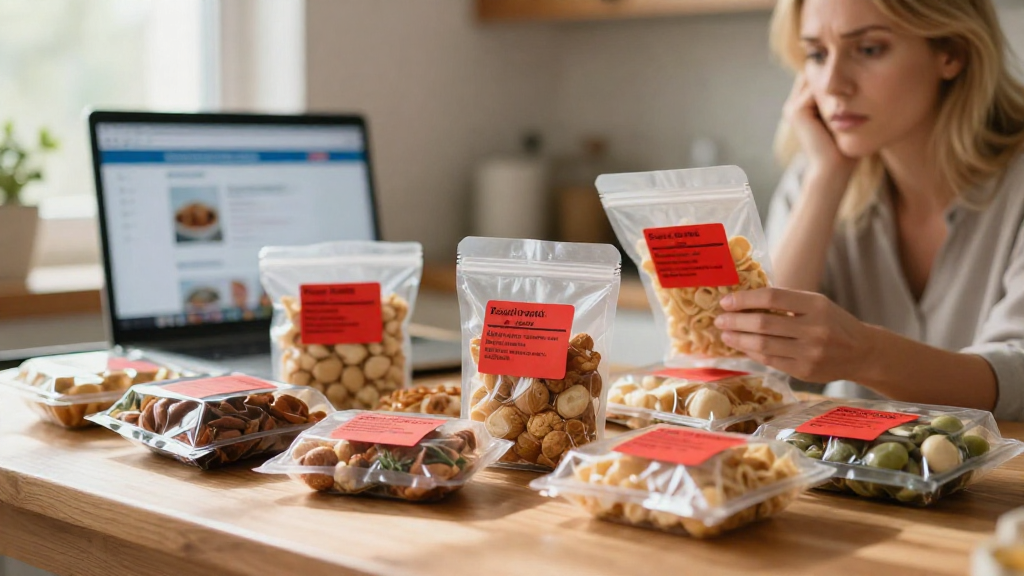
The food recall process is a critical aspect of food safety that ensures consumers are protected from contaminated or unsafe food products.
What Triggers the Food Recall Process?
Many factors can trigger the food recall process, primarily anything that threatens public health. Here are some common triggers:
-
Pathogen Contamination: Bacteria like E. coli, Salmonella, and Listeria can contaminate food and lead to illnesses.
-
Allergen Mislabeling: Failure to disclose allergenic ingredients can pose severe risks to individuals with food allergies.
-
Chemical Hazards: Presence of harmful chemicals like pesticides, toxins, or other contaminants in food items.
-
Physical Contamination: Instances of foreign materials—such as plastic, metal, or glass—being found in food products can lead to recalls.
Understanding what triggers a food recall is essential for manufacturers, retailers, and consumers alike.
How Is a Food Recall Initiated?
The initiation of the food recall process can involve multiple stakeholders. Here’s an overview:
-
Detection of a Problem: Problems can be identified through:
– Routine inspections
– Consumer complaints
– Laboratory testing
– Reports from healthcare professionals about foodborne illnesses -
Collaboration with Regulators: Once a potential issue is identified, companies typically:
– Notify the Food and Drug Administration (FDA) or the U.S. Department of Agriculture (USDA).
– Share details regarding the affected products and any known risks to public health. -
Determining Scope: Affected products must be assessed to understand:
– Which batches are recalled
– Distribution channels involved
– Consumers at risk -
Formal Recall Notice: After thorough evaluations, a formal recall notice is issued that:
– Informs the public and relevant stakeholders
– Details the reason for the recall
– Provides guidance on what consumers should do if they have purchased the product
What Are the Different Types of Food Recalls?
The food recall process consists of various types based on severity and scope. Here are the primary types of food recalls:
-
Class I Recall: This is the most serious type, involving a product that could cause serious health issues or death. Immediate action is required.
-
Class II Recall: This type involves products that might cause temporary health problems or pose a slight threat, yet don’t have a significant risk of severe health consequences.
-
Class III Recall: This type applies to products not likely to cause any health risks or adverse effects.
By categorizing recalls, regulatory agencies can prioritize responses and inform consumers accordingly.
How Does the Public Learn About Recalls?
Once the food recall process has begun, it’s essential to keep the public informed. Here are ways consumers learn about recalls:
-
Media Alerts: Television, radio, and online news outlets often report on significant recalls.
-
FDA or USDA Websites: These regulatory agencies maintain updated lists of recalled products.
-
Social Media and Email Alerts: Many companies use social media platforms and newsletters to reach their consumers directly and provide updates on recalls.
-
Store Alerts: Retailers may also inform customers about specific recalls in-store or via direct communication.
It’s essential for consumers to stay informed about food recalls, as this knowledge directly contributes to their safety.
What Should Consumers Do During a Food Recall?
When a product is recalled, consumers should follow specific steps to protect their health:
-
Check for Notification: Verify if any of the foods in your pantry fall within the recall.
-
Dispose of Affected Products: If you have purchased a recalled item:
– Do not consume it.
– Dispose of it according to instructions found in the recall notice. -
Return to Retailer: Some companies offer refunds or replacements for recalled products. Always check with the point of purchase.
-
Stay Updated: Continue monitoring updates related to the recall for additional instructions or new information.
Who Oversees the Food Recall Process?
The food recall process is overseen by various regulatory agencies, ensuring adherence to safety standards. Here are a few key players:
-
Food and Drug Administration (FDA): Oversees the safety of most foods in the U.S. and manages the recall of consumer food products.
-
U.S. Department of Agriculture (USDA): Regulates meat, poultry, and certain egg products. The USDA monitors recalls specific to these food types.
-
State Agencies: Often collaborate with federal agencies and monitor local food safety issues, assisting in all aspects of the food recall process.
How Can Companies Improve Their Recall Readiness?
For manufacturers, being prepared for a food recall is crucial. Here are strategies to improve recall readiness:
-
Implement Robust Quality Control Measures: Regular inspections and stringent quality checks can minimize contamination risks.
-
Create a Crisis Management Plan: Having a specific plan outlining steps to take during a recall can ensure swift and effective actions.
-
Training Employees: Educating staff about the food recall process and emergency procedures is essential to mitigate risks.
-
Keep Accurate Records: Proper tracking of batches and distribution can substantially aid in recall efficiency.
By proactively addressing recall preparedness, companies can effectively manage the fallout from potential incidents.
Conclusion: Importance of Understanding the Food Recall Process
In summary, understanding the food recall process is critical for consumers, businesses, and regulatory bodies alike. It not only promotes food safety but also ensures that the product supply chain maintains its integrity.
Awareness of the triggers, procedures, and stakeholders involved in the food recall process empowers consumers to take charge of their food safety.
By staying informed and prepared, everyone can play a part in minimizing the impact of food recalls on public health.
Your vigilance can ensure that the food you consume is safe and free from contaminants.
For more information related to food safety and recalls, keep an eye on updates from the FDA and USDA, as they continue to provide vital information to the public.