Why You’ll Love this Gluten Free Pizza Recipe
Whether you’re gluten intolerant or just looking to try something new, you’ll love this gluten-free pizza recipe.
I was amazed at how easy it was to whip up a delicious pizza without traditional flour. The unique blend of rice, corn, and potato flours gives the crust a delightful texture that rivals any classic pizza.
Plus, it’s a fantastic way to explore different toppings and flavors, making each pizza night a culinary adventure. I’ve found that everyone, not just those avoiding gluten, enjoys it!
The best part? You don’t have to compromise on taste. This recipe brings together the joy of pizza with the benefits of being gluten-free, and trust me, it’ll quickly become a favorite in your kitchen.
Ingredients of Gluten Free Pizza
Making gluten-free pizza is a delightful adventure, and it all starts with gathering the right ingredients. Trust me, once you see how simple it’s to whip up a tasty crust, you’ll wonder why you ever hesitated.
With a few special flours and some pantry staples, you’ll be well on your way to creating a pizza that’s not only gluten-free but also packed with flavor. So, let’s explore what you’ll need.
Ingredients for Gluten Free Pizza:
- 1/2 teaspoon granulated dry yeast
- 1 cup warm water
- 1 teaspoon sugar
- 4 ounces rice flour
- 3 ounces cornflour
- 1 tablespoon potato flour
- 1 1/2 tablespoons olive oil
- 1 teaspoon salt
Now, about those ingredients. If you’re new to gluten-free cooking, you might be wondering where to find rice flour, cornflour, and potato flour. Most grocery stores have a dedicated gluten-free section, and you can usually find these flours there.
If you can’t spot them on the shelves, don’t hesitate to ask someone; they might be hiding in plain sight, like that missing sock from your laundry.
Also, feel free to get creative with your toppings! Whether you want classic pepperoni or a rainbow of veggies, the sky’s the limit.
Just remember, the fun of making pizza lies in personalizing it to your taste, so don’t hold back. Happy cooking!
How to Make Gluten Free Pizza
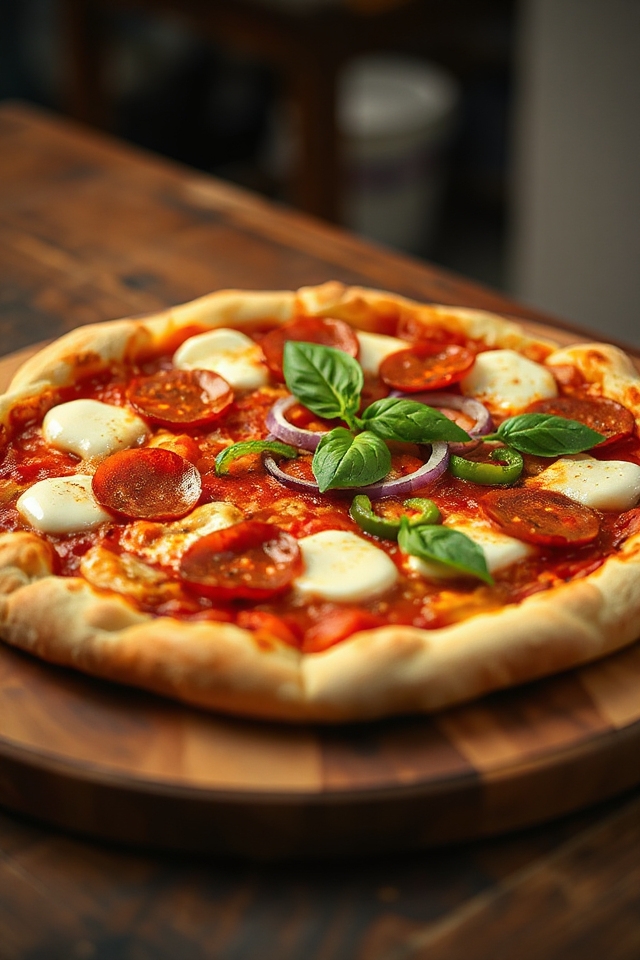
Making gluten-free pizza is like initiating a flavorful journey, and I promise you, it’s easier than you might think. Start by grabbing your 1/2 teaspoon of granulated dry yeast and mix it with half of your 1 cup of warm water in a bowl. Stir it until the yeast dissolves completely, then sprinkle in 1 teaspoon of sugar, mixing it all together like you’re concocting a potion. Set this mixture aside for about 15 minutes. This is the part where you can daydream about all the delicious toppings you’ll add later, or even think about how much you’re going to impress your friends with your homemade pizza skills.
While you wait for the yeast to work its magic, preheat your oven to 425 degrees Fahrenheit and grease a large pizza pan. In a separate bowl, combine 4 ounces of rice flour, 3 ounces of cornflour, 1 tablespoon of potato flour, 1 1/2 tablespoons of olive oil, and 1 teaspoon of salt. Mix these dry ingredients until they’re well blended.
Once your yeast mixture is ready, pour it into the bowl of flours and stir. Now, add the remaining warm water little by little, mixing until you have a thick dough. This is where the magic really begins. If it gets a bit sticky, don’t panic; that’s just part of the gluten-free adventure.
Now comes the fun part: pouring the dough into the prepared pizza pan. Start by pouring it towards the center, as this helps spread it out evenly—trust me, I learned that the hard way when I ended up with a pizza shaped like a lopsided pancake once. Bake this crust for about 5 minutes, just enough to let it get lightly baked.
After that, take it out and lower the oven temperature to 375 degrees Fahrenheit. Now you can layer on your favorite toppings. Whether you’re feeling classic with pepperoni or a little wild with a veggie explosion, go for it!
Pop it back in the oven for another 15-20 minutes, and just like that, you’ve transformed simple ingredients into a delightful gluten-free pizza masterpiece. Enjoy the aroma wafting through your kitchen, and don’t be surprised if you find yourself dancing a little as you wait for it to finish baking.
Gluten Free Pizza Substitutions & Variations
When it comes to gluten-free pizza, the possibilities for substitutions and variations are nearly endless. I love experimenting with different flours, like almond or chickpea, to give the crust a unique flavor and texture.
You can also swap out traditional tomato sauce for pesto or even a white sauce made from cashews. For toppings, think outside the box! Try using roasted vegetables, fresh herbs, or even fruit like figs or pears.
Don’t forget about cheese; dairy-free options made from nuts are fantastic. If you’re craving a fun twist, why not try a dessert pizza with nut butter and fruit?
The key is to get creative and make it your own!
What to Serve with Gluten Free Pizza
While gluten-free pizza can be a delicious meal on its own, pairing it with the right sides can elevate the dining experience.
I love serving a fresh garden salad tossed with a zesty vinaigrette; it adds an invigorating crunch that complements the rich flavors of the pizza.
Roasted vegetables, like zucchini and bell peppers, also make a great side, bringing an earthy touch.
If I’m in the mood for something heartier, garlic knots made with gluten-free dough can be a fun addition. A side of marinara for dipping is always a hit, too!
Finally, don’t forget a light dessert, like sorbet or fruit salad, to cleanse the palate after enjoying that cheesy goodness.
Additional Tips & Notes
Pairing gluten-free pizza with sides like a fresh garden salad or roasted vegetables can really enhance your meal, but there are also some tips to keep in mind for the best pizza experience.
First, be sure to let your yeast mixture sit long enough to activate; this helps the crust rise beautifully.
When mixing the dough, I recommend adding the warm water gradually to avoid a sticky mess.
Also, for a crispier crust, consider pre-baking the crust a bit longer before adding toppings.
Don’t overload your pizza with toppings—less is often more, especially when it comes to cheese.
Finally, keep an eye on the pizza while it bakes to prevent burning.
Enjoy your delicious creation!